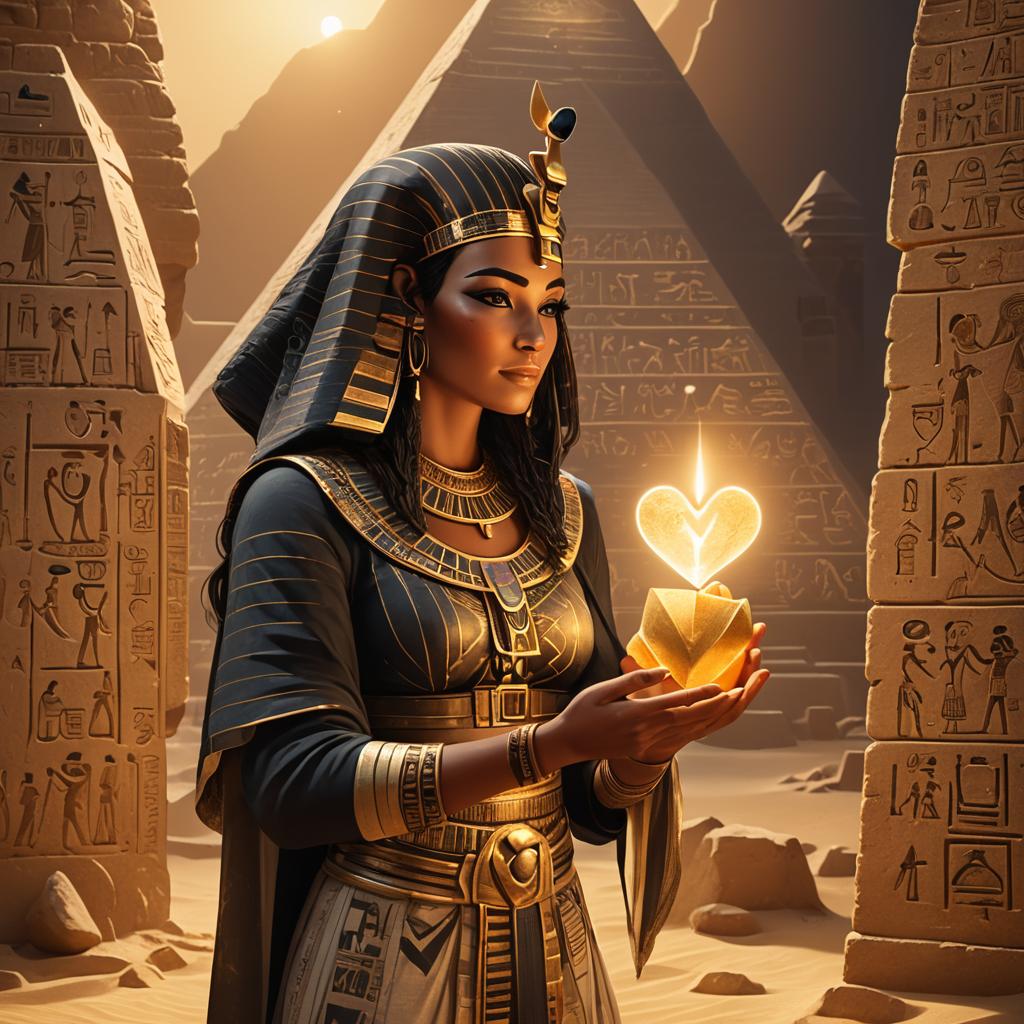
So I carry on with my exploration of the ancient cultures, with the purpose to have a glimpse into the mind of people who disappeared long time ago. Such a knowledge can refine the way we perceive ourselves.
We cannot tell for sure what was in their mind, but we can gain some insight if we explores their values, beliefs, fears, traditions, texts and artifacts. However, we can say for sure that their life was influenced by the same archetypes that ultimately create our psychological architecture.
As a Jungian adept I am aware that one of the deepest way to dive into the mind of anybody is to analyse dreams. Hence, let’s explore how did Ancient Egyptians interpret their dreams. Will we better them better? Maybe – but this is possible only if we have the necessary tools to do so. These tools are provided from my perspective by the Jungian psychology.
So far in the previous posts the Jungian exploration was related to Ancient Greek and Egyptian mythology. Now I will focus on dreams. This article is only introductory in order to have the facts read. When we have enough information we can dive deeper in the Ancient Egyptian mind.
Dream interpretation in Ancient Egypt
Dream interpretation in Ancient Egypt was a profound practice deeply embedded in the cultural, religious, and social fabric of the civilization. The Egyptians believed that dreams were not mere figments of the imagination, but potent messages from the divine realm. These messages could come from gods, goddesses, or even the spirits of the deceased, offering guidance, warnings, or insights into the future.
Central to this belief was the idea that during sleep, the soul could leave the body and traverse the spiritual world. This journey allowed the soul to encounter deities or receive visions that were otherwise inaccessible during waking life. Dreams were thus seen as a bridge between the human and the divine, a means through which the gods communicated their will or provided glimpses into future events.
Temples dedicated to gods like Serapis and goddesses like Isis often served as centers for dream incubation. In these sacred spaces, people would sleep in hopes of receiving divine visions or solutions to their problems. This practice, known as incubation, was believed to increase the likelihood of having a meaningful or prophetic dream. These temples were not only places of worship but also spiritual clinics where people sought answers to personal and communal concerns through dreams.
God Bes and dreams
Bes was a prominent deity in Ancient Egypt, known primarily as a protector god associated with households, childbirth, and infants. Unlike many other gods depicted as majestic and serene, Bes had a distinctive appearance, often portrayed as a dwarf with a large head, protruding tongue, and a lion-like mane. He had a fierce, yet comical expression, which was intended to scare away evil spirits and negative influences.
Bes was not a god of temples or grand rituals but was instead a personal deity worshipped in the home. His primary role was to safeguard against evil forces, particularly during sleep, childbirth, and early childhood. He was believed to protect against nightmares and ensure that mothers and children were safe from harm. Images of Bes were commonly found on amulets, household items, and in bedroom decorations, serving as a constant protective presence.
In addition to his protective functions, Bes was also associated with music, dance, and merriment. He was often depicted playing musical instruments or dancing, which reflected his role in promoting joy and good fortune within the household. His jovial and protective nature made him a beloved figure in everyday Egyptian life.
Dream books
The Egyptians also developed a rich tradition of dream interpretation, documented in texts known as “dream books.” These books contained lists of common dreams and their interpretations, reflecting a standardized system of dream symbolism. For example, a dream of eating crocodile meat might be interpreted as a positive omen, signifying the dreamer’s ability to overcome enemies. On the other hand, dreaming of drinking blood could be seen as a bad omen, perhaps warning of impending sickness or conflict. The interpretations in these books often reflected the dual nature of dreams, which could be either auspicious or ominous.
Dreams of the pharaohs
Dreams held significant weight in decision-making, both at the personal and state levels. Pharaohs, who were considered intermediaries between the gods and the people, often paid close attention to their dreams, sometimes basing crucial decisions on them. Whether it was a matter of military strategy, political alliance, or religious practice, dreams could serve as a divine consultation, guiding leaders in their choices.
For example, Pharaoh Thutmose IV had a famous dream in which the Sphinx at Giza spoke to him, promising that if he cleared the sand covering the statue, he would become king. Thutmose followed the instructions from the dream, and after he became Pharaoh, he erected the “Dream Stele” between the Sphinx’s paws to commemorate the event. This story illustrates how dreams could directly impact royal actions and reinforce the divine legitimacy of a ruler’s reign.
Good dreams, bad dreams
Certain dreams were thought to diagnose illnesses or predict the outcome of a patient’s condition. For instance, a dream might reveal the presence of a disease or suggest a cure through symbolic imagery. Egyptian physicians sometimes interpreted dreams as part of their medical practice, blending spiritual and physical healing.
The protective aspect of dream interpretation was also significant. Negative dreams, believed to foreshadow danger or illness, were met with various countermeasures. Egyptians often used amulets, charms, or specific rituals to neutralize the potential harm predicted by a dream. This practice reflects the broader Egyptian belief in magic and the supernatural, where dreams could be both a source of insight and a cause for concern.
Samples of dream interpretation
In the “Ramesside Dream Book,” if a man dreams of seeing a large cat, it is interpreted as a good omen, indicating that something positive will happen to him. The cat is often associated with the goddess Bastet, who was linked to protection and fertility, so the dream might be seen as a sign of divine favor or good fortune.
If someone dreams of being bitten by a snake, this was considered a negative omen, possibly indicating that the person would suffer from illness or be harmed by an enemy. Snakes in Egyptian mythology were often associated with chaos and danger, so such a dream could be seen as a war.
Drinking blood in a dream was considered a bad omen. It could be interpreted as a sign of impending misfortune or conflict. Blood was seen as a powerful substance, and its presence in a dream might indicate something troubling or dangerous.
In contrast, dreaming of eating crocodile meat was viewed as a positive sign, suggesting that the dreamer would overcome a powerful enemy. Crocodiles were feared animals in Ancient Egypt, so consuming one in a dream might
Walking through a field of barley in a dream was seen as a sign of prosperity. Barley was a staple crop in Egypt, and dreaming of it might indicate that the dreamer would experience abundance or success in their endeavors.
These interpretations reflect how the Egyptians saw dreams as symbolic, with each element or action in the dream carrying a specific meaning, often related to the gods, nature, or social order.
Dreams and Ma’at
In addition to their roles in decision-making and health, dreams were also considered a means of moral and ethical guidance. The gods might use dreams to instruct or correct human behavior, ensuring that individuals adhered to Ma’at, the principle of truth, balance, and cosmic order that governed Egyptian life. Dreams could serve as reminders or warnings, encouraging people to live in harmony with the divine order.
Concluding reflections
Overall, dream interpretation in Ancient Egypt was more than a mere superstition; it was a sophisticated and integral part of the culture. It blended religion, medicine, and magic, offering a window into the spiritual beliefs and practices of the Egyptians. Through dreams, they sought to understand their world, make decisions that aligned with divine will, and maintain harmony with the forces that governed their lives.





Leave a Reply