-
 Continue reading →: Understanding the triadic structure in AI-generated text
AI-generated text often incorporates triads—groups of three related elements—to structure ideas and emphasize meaning. While they add clarity and rhythm, excessive use can signal AI authorship, making writing feel formulaic. To retain human authenticity, writers should vary expressions, exploring single ideas or using diverse structures instead of relying solely on…
-
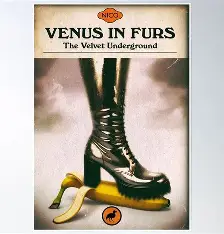 Continue reading →: Venus in Furs, Velvet underground, and a Jungian Reading
The Velvet Underground, emerging in the mid-1960s, focused on the darker aspects of the human psyche rather than the era’s optimism. Their debut album, especially the song “Venus in Furs,” explored challenging themes of desire and submission, revealing psychological truths while influencing countless artists across various genres. Their legacy highlights…
-
 Continue reading →: AI on Sternberg’s balance theory of wisdom
I prompted ChatGPT to write about Sternberg’s Balance Theory of Wisdom, intending to illustrate the AI’s limitations in genuinely understanding and conveying a concept on the first attempt. Sternberg’s Balance Theory of Wisdom presents a distinctive perspective on what it means to be wise, moving beyond intelligence as mere knowledge…
-
 Continue reading →: McLuhan on how media shapes human perception
Marshall McLuhan, a Canadian media theorist and philosopher, explored how communication technologies shape human perception and social behavior. His work highlights the importance of understanding media not only as channels for transmitting information but also as active forces that reorganize consciousness. Examining his ideas provides insight into the psychological mechanisms…
Dr. Victor Bodo

Psychiatrist with a profound interest in consciousness, committed to fostering personal growth, success, and well-being. Exploring the intricate facets of the mind provides valuable insights into enhancing our shared human experiences.
Let’s change the world together!
Subscribe for more inspiration and tips!

Get a free excerpt of my new e-book
What is the name of the book?