
In Greek mythology and philosophical musings, the dichotomy between Apollo and Dionysus, as conceived by Friedrich Nietzsche, has long captivated thinkers seeking to understand the complexities of human nature. A lesser-explored parallel emerges in the form of the Artemis-Apollo dichotomy, shedding light on the delicate balance between civilization and nature. This article analyses the symbiotic relationship between the twins, Artemis and Apollo, and their relevance to the Apollonian-Dionysian framework in the context of modern life.
Apollo and Artemis, two of the most revered deities in ancient Greek mythology, share a unique and fascinating origin as twins. Born to Zeus, the king of the gods, and Leto, a Titaness, their story is steeped in both divine intrigue and mortal challenges.
The tale of the twins begins with Leto, who, due to her relationship with Zeus, drew the jealousy and wrath of Hera, the queen of the Olympian gods. Hera, consumed by envy, forbade any land to offer Leto refuge for childbirth, leaving her in a state of prolonged suffering. Desperate, Leto found sanctuary on the floating island of Delos, a place untethered to any specific land and therefore beyond Hera’s reach.
Despite the challenges, Leto successfully gave birth to twins on Delos. Apollo, the radiant god of the sun, music, poetry, and prophecy, emerged first, already displaying a divine brilliance. Artemis, his twin sister, swiftly followed, becoming the goddess of the moon, hunting, and wild animals. The moment of their birth is often depicted as a pivotal event, marked by the cosmic significance of these two powerful deities entering the world.
The duality of Apollo and Artemis extends beyond their roles and domains, emphasizing their interconnectedness. Apollo, associated with order, reason, and the arts, contrasts with Artemis, who embodies the untamed wilderness and the primal aspects of nature. Despite these differences, the twins shared a close bond, evident in various myths and stories that highlight their mutual respect and affection for each other.
Reminder of the Apollonian and Dionysian duality
To establish a foundation for understanding the Artemisian and Apollonian dichotomy, let’s revisit the Apollonian and Dionysian duality. This will provide a contextual framework for exploring the dynamic interplay of these forces in shaping our human experience.
Friedrich Nietzsche’s concept of the Apollonian and Dionysian dichotomy unveils a profound understanding of the fundamental forces shaping our lives. Originally introduced in “The Birth of Tragedy,” these opposing principles, named after the Greek gods Apollo and Dionysus, extend far beyond the realms of art, penetrating the very essence of our daily experiences.
The Apollonian aspect mirrors the qualities associated with the Greek god Apollo, heralding order, reason, and clarity in our lives. This force emphasizes the structured and measured elements of human nature. Much like the precision of a well-composed symphony, the Apollonian is expressed in the harmonious balance of our rational faculties, adherence to societal norms, and the pursuit of clarity in thought and action.
In our personal lives, the Apollonian manifests itself through the establishment of boundaries, the pursuit of knowledge, and the creation of structures that provide stability and order. From organized routines to intellectual pursuits, this force guides us towards a semblance of control and understanding in an otherwise chaotic world.
Contrastingly, the Dionysian force, inspired by the Greek god Dionysus, embodies chaos, ecstasy, and the irrational aspects of human nature. This primal force taps into our emotional reservoirs, encouraging spontaneity, passion, and a dissolution of rigid boundaries. Like the unrestrained dance of a reveler, the Dionysian celebrates the raw, untamed aspects of existence.
In our daily lives, the Dionysian surfaces in moments of intense emotion, uninhibited creativity, and a surrender to the spontaneity of the present. It prompts us to embrace our instincts, indulge in the joyous chaos of life, and connect with our most authentic selves.
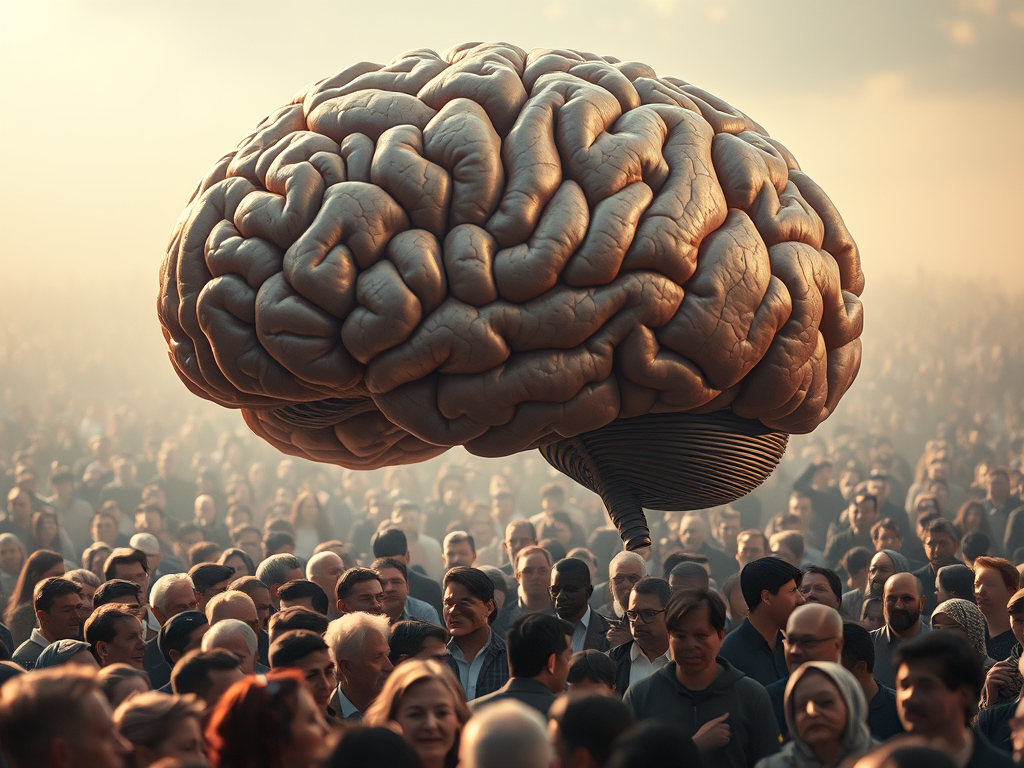
The true essence of Nietzsche’s dichotomy lies in the dynamic interplay and tension between the Apollonian and Dionysian forces. Just as a captivating piece of music weaves together moments of order and chaos, our lives find richness and depth through the harmonious integration of these opposing elements. In relationships, for example, the Apollonian may provide the framework for stability and commitment, while the Dionysian injects the passion and spontaneity that keeps the flame alive.
The Civilization and nature dichotomy
Artemis, the goddess of the hunt, wilderness, and untamed landscapes, assumes a role akin to the Dionysian forces in Nietzschean philosophy. Her commitment to virginity is not merely a personal attribute but a symbolic representation of the untainted and unspoiled aspects of the natural world. In her pursuit of preserving the sanctity of the wild, Artemis stands as a counterforce to the encroaching influence of civilization.
In contrast, Apollo, the god of music, prophecy, and order, embodies the Apollonian spirit. His pursuit of harmony and civilization manifests in the shaping of societies, the establishment of order, and the advancement of human endeavors. However, the Apollonian drive towards progress may inadvertently contribute to the degradation of nature and the loss of the sacred dominion guarded by Artemis.
Drawing parallels between these mythical archetypes and contemporary challenges, it becomes evident that our Apollonian tendencies, reflective of societal progress, have profound consequences for the environment. The relentless pursuit of order and advancement often comes at the expense of nature, as urbanization, industrialization, and technological advancements disrupt the delicate balance maintained by Artemis.
The Artemis-Apollo dichotomy prompts reflection on the need for a harmonious coexistence between civilization and nature. While Apollo’s endeavors bring about progress and order, acknowledging Artemis as the guardian of the environment becomes imperative to ensure the preservation of the natural world.
Concluding remarks
The Artemis-Apollo dichotomy invites us to question the impact of our Apollonian pursuits on the sacred dominion of nature. As we strive for progress, may we also embrace the responsibility of safeguarding the untamed beauty that Artemis represents, finding a balance that allows civilization to flourish without sacrificing the inherent sanctity of the natural world.





Leave a Reply