In the intricate web of mythology and tradition, the constellation of the Pleiades holds a place of particular enchantment. Known as the Seven Sisters, these stars have inspired countless legends across cultures. In Romanian folklore, a fascinating tradition called Sânziene brings a unique perspective to the Pleiades, linking them to the followers of Artemis, the Greek goddess of the hunt, moon, and nature, also known as Diana in Roman mythology.
Artemis and the Pleiades: The Mythological Ties
Artemis, one of the most revered deities in Greek mythology, is the goddess of the hunt, wilderness, moon, and chastity. Her Roman counterpart, Diana, shares these attributes, embodying the untamed spirit of nature and the celestial realm.
The Pleiades are seven sisters named Maia, Electra, Taygete, Alcyone, Celaeno, Sterope, and Merope. They are companions of Artemis, sharing in her divine duties and embodying the aspects of purity, grace, and nature.
The Pleiades were the daughters of the Titan Atlas and the sea-nymph Pleione. Pursued by the giant hunter Orion, they prayed to Zeus for protection. Listening to their plead, Zeus transformed them into stars to escape Orion’s advances.
The Pleiades as Mentors for Dionysus
According to certain legends, these starry sisters were entrusted with the upbringing and education of the young god Dionysus. As the daughters of Atlas and Pleione, the Pleiades were endowed with divine wisdom and nurturing qualities. They provided Dionysus with the knowledge necessary for his future role as the god of wine, festivity, and ecstasy. Under their guidance, Dionysus learned the secrets of viticulture and the profound connection between nature and celebration.
The Sânziene
In Romanian folklore, Sânziene refers to both a midsummer festival and the mythical fairies celebrated during this time. The festival, held on June 24th, coincides with the Feast of St. John the Baptist but retains many pre-Christian elements that honor nature and fertility. The Sânziene fairies are beautiful, ethereal maidens who emerge from their hidden realms to dance in meadows, blessing the land with fertility and abundance.
The name “Sânziene” derives from “Sancta Diana,” highlighting the connection to the Roman goddess Diana, the counterpart of Artemis. This etymological link suggests that the Sânziene fairies can be seen as followers or representations of Diana/Artemis, embodying her attributes of nature, fertility, and the mystical moonlight.
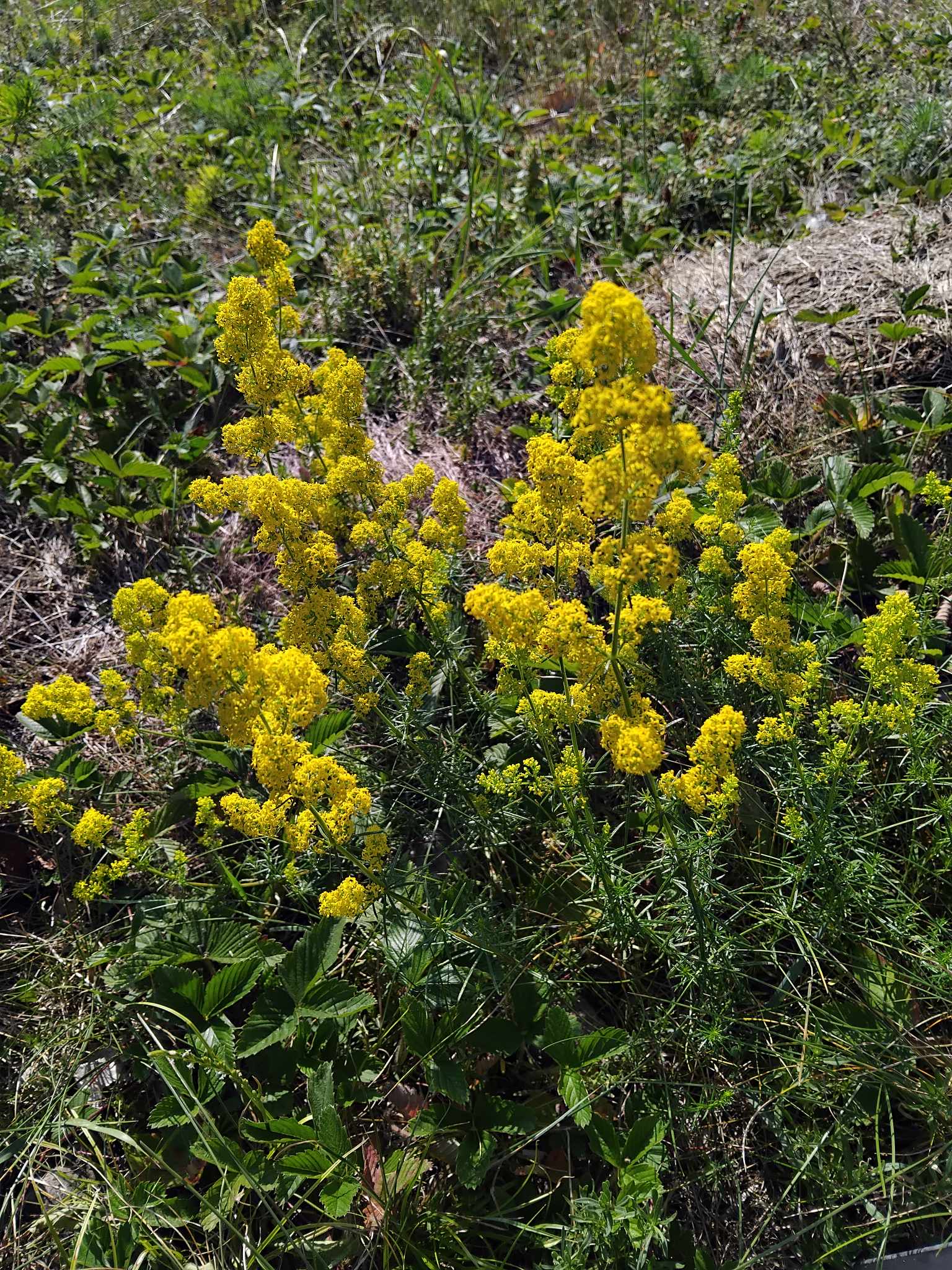
The Sânziene is also the yellow bedstraw plant (Galium verum), which blooms around this time. These flowers play a central role in the festivities, symbolizing fertility, protection, and health. Traditions involve young women weaving bedstraw flowers into crowns and garlands, believed to attract good fortune, ward off evil spirits, and ensure a bountiful harvest. Thus, the bedstraw plants are integral to the Sânziene celebration, embodying its themes of renewal, protection, and prosperity.
The Forbidden Sight of the Sânziene
According to Romanian tradition, the Sânziene should not to be seen by mortals, much like the elusive Pleiades. The legend holds that if a man sees the Sânziene, he risks losing his mind, much like the Greek myth of Actaeon, who became mad after glimpsing Artemis bathing. This parallel between the forbidden sight of the Sânziene and the Pleiades underscores the mystical and dangerous allure of these celestial beings.
The Calusari Ritual Dance: Restoring Sanity
For those unfortunate enough to lose their mind upon seeing the Sânziene, the traditional remedy involves participating in the Calusari ritual dance. The Calusari are a group of male dancers who perform a series of complex and rhythmic steps believed to have healing and protective powers. This dance is an integral part of Romanian folklore, symbolizing the restoration of balance and the warding off of evil spirits.
The Calusari ritual dance has the purpose to drive away the madness inflicted by the sight of the Sânziene. This dance is also a celebration of vitality, echoing the themes of renewal and protection associated with Artemis/Diana.
Linking the Pleiades and Sânziene
The connection between the Pleiades and the Sânziene becomes apparent through their shared association with Artemis/Diana. The Pleiades, as the celestial companions of Artemis, mirror the Sânziene fairies in their divine and ethereal nature.
During the Sânziene festival, villagers perform rituals and customs that resonate with the themes of the Pleiades myth. Young women weave crowns from the yellow-flowered herbs also called Sânziene and wear them as they dance and celebrate. These crowns symbolize purity, fertility, and a connection to the divine feminine, much like the celestial Pleiades.
The timing of the Sânziene festival, near the summer solstice, when the Pleiades become visible in the early morning sky, further strengthens this connection. The simultaneous celebration of the earthly and celestial maidens during this period underscores the harmony between Romanian tradition and Greek mythology.
The Symbolism of Artemis/Diana and the Sânziene
Artemis/Diana represents the archetype of the untamed feminine, a guardian of the natural world and protector of the innocent. The Sânziene, as her earthly counterparts, embody these qualities during their midsummer revelry. They dance and sing in meadows and forests, imbuing the land with vitality and ensuring a bountiful harvest.
Bonfires honor the sun’s peak power, reminiscent of Artemis/Diana’s connection to the moon and natural cycles. Leaping over these fires is a purification ritual, echoing the themes of chastity and renewal associated with the goddess and her celestial companions.
Conclusion
The Pleiades and the Romanian Sânziene tradition intertwine through their shared connections to Artemis/Diana. This mythological and cultural link reveals a deep reverence for the natural world and the celestial bodies. The Sânziene festival is embodying the spirit of nature and the mystical allure of the stars.






Leave a Reply