The Myth of Ianus
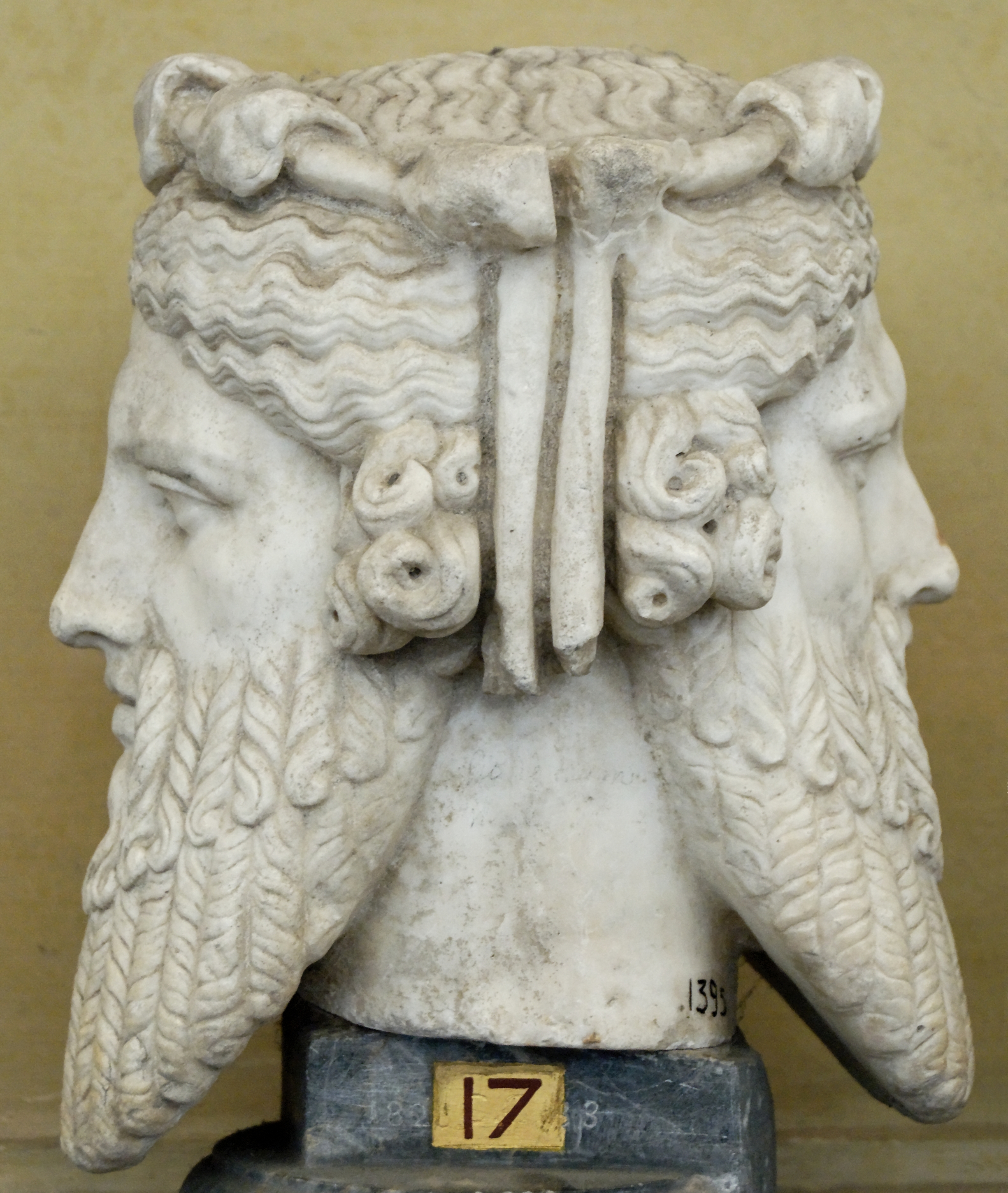
Ianus, also known as Janus, is an ancient Roman god whose worship dates back to the earliest days of Rome. Unlike many other deities, Ianus does not have a counterpart in Greek mythology, making him distinctly Roman. His two faces symbolize his ability to see both the past and the future, a representation of his dominion over transitions. This includes not only physical transitions, such as the passing through doors and gates, but also temporal transitions, such as the beginning and ending of periods and eras.
In Roman religion, Ianus was invoked at the start of any new venture, be it war or peace, planting or harvest, birth or death. The month of January, named after Ianus, signifies the beginning of the year and is a time of reflection on the past year while looking forward to the future. Ianus’ temples had doors that were kept open in times of war and closed in times of peace, further emphasizing his role in transitions and the duality of states.
Psychological Significance
The myth of Ianus resonates deeply with various psychological concepts, particularly those related to duality, change, and the human perception of time.
His dual faces symbolize the coexistence of opposites within the human psyche. This duality can represent various psychological conflicts, such as those between the conscious and unconscious mind, reason and emotion, or past experiences and future aspirations. Carl Jung, a prominent psychologist, discussed the importance of integrating these opposing aspects of the self to achieve psychological wholeness. The myth of Ianus encourages individuals to acknowledge and reconcile their inner dualities, fostering a more integrated and balanced self.
Each phase of life, whether it is childhood, adolescence, adulthood, or old age, involves significant transitions that shape an individual’s identity and perspective. Psychologically, these transitions can be challenging, often accompanied by uncertainty and anxiety. Ianus, as the god of beginnings and endings, symbolizes the potential for renewal and growth that each transition offers. Embracing change and viewing it as an opportunity for development can lead to a more fulfilling and resilient life.
The ability of Ianus to look both backward and forward suggests a balanced perspective on time. Psychologically, this can be related to the practice of mindfulness, which involves being fully present in the moment while maintaining an awareness of past experiences and future possibilities. This balanced temporal perspective can reduce stress and improve well-being by helping individuals appreciate the present moment without becoming overly fixated on past regrets or future anxieties.
Ianus’ two faces also symbolize the importance of foresight and reflection in decision-making. In psychology, effective decision-making requires both an understanding of past experiences and a consideration of future consequences. Ianus reminds us of the importance of careful deliberation and the need to consider multiple perspectives before making choices.
Concluding reflections
The myth of Ianus, with its rich symbolism and themes of duality and transitions, offers valuable psychological insights. Ianus, the gatekeeper of transitions, serves as a timeless reminder of the potential for growth and renewal inherent in every beginning and ending.







Leave a Reply