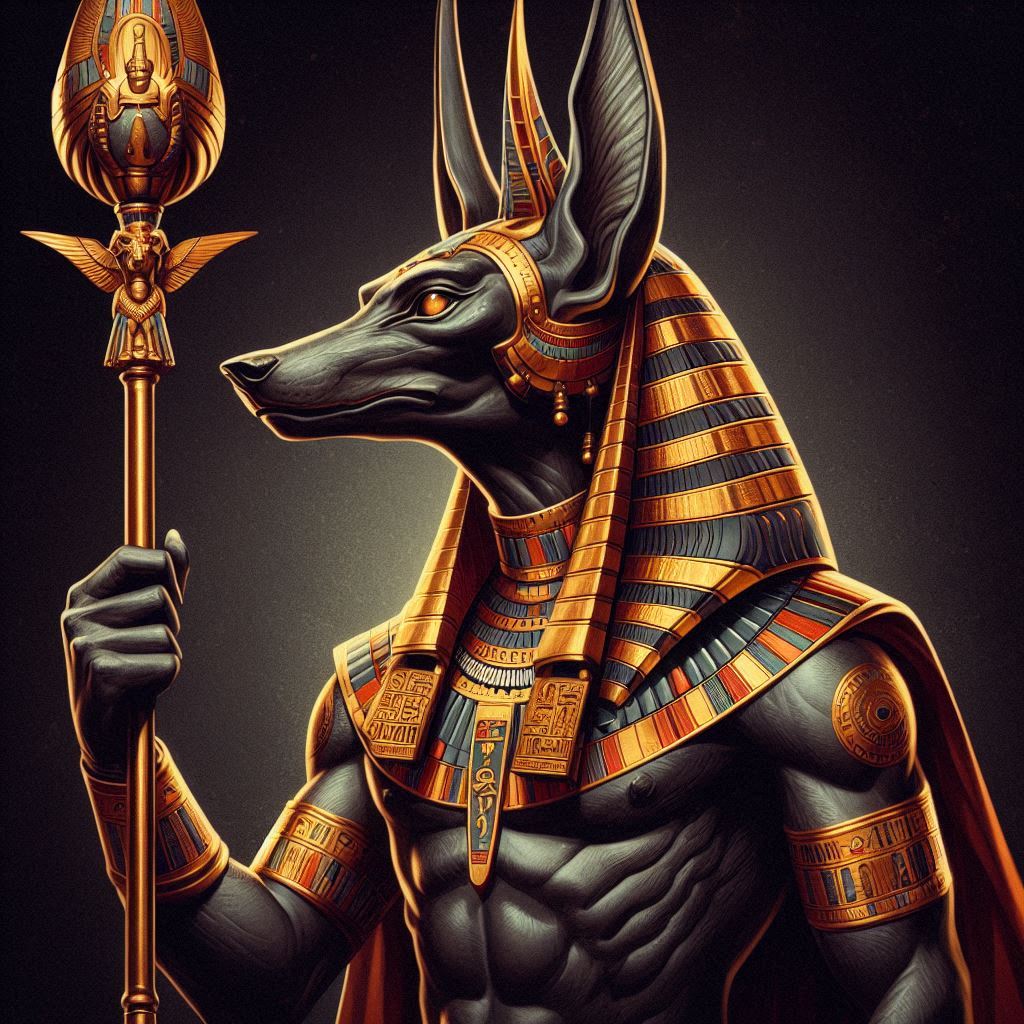
Ancient Egyptian art represents a fascinating blend of religious symbolism, cultural expression, and technical mastery. Spanning over three millennia, this art form is a window into the spiritual and everyday lives of one of history’s most influential civilizations. Egyptian art characterized by a focus on tradition, played a crucial role in shaping the culture and identity of ancient Egypt.
Art and cosmic harmony
Egyptian art was based on the concept of order, known as ma’at, which imbued every aspect of life, including artistic expression. Art was a powerful tool to communicate religious beliefs and norms. This sense of divine order dictated that art remained consistent over centuries. Artists adhered to strict conventions, ensuring that the depictions of gods, pharaohs, and the afterlife conformed to established religious doctrines. This consistency ensured that the gods received the proper reverence and that the afterlife remained attainable for those depicted in the art.
The human figure
The human figure in Egyptian art is perhaps one of its most iconic features. Artists adhered to a specific canon of proportions, presenting the human body in a composite view. The head and legs were shown in profile, while the torso and eyes faced forward. This method ensured that each part of the body was depicted in its most recognizable and complete form, allowing for a more effective communication of the subject’s identity and role. This stylization extended beyond the human figure to animals, plants, and even architectural elements, creating a unified visual language that was instantly recognizable across the empire.
Art and religion
Religious themes dominated Egyptian art, reflecting the deep connection with the divine. Temples, tombs, and other sacred spaces served as canvases for intricate carvings and paintings that depicted gods, goddesses, and the rituals necessary to maintain cosmic balance.
The pharaohs, considered divine intermediaries, portrayed with the attributes of the gods, reinforced their authority and divine right to rule. This symbiosis between religion and art ensured that the visual representations of gods and goddesses remained consistent, preserving their sacredness across time.
Sculptures
Sculpture also played a vital role in Egyptian art. Statues of pharaohs, gods, and important officials were carved from stone or cast in metal, often on a monumental scale. These sculptures served not only as religious objects but also as symbols of power and status. The Great Sphinx of Giza, with its colossal size and expression, remains one of the most iconic examples of Egyptian sculpture. Smaller statues, often found in tombs, depicted the deceased in idealized forms, ensuring their continued existence in the afterlife. The use of hard, durable materials like granite, diorite, and basalt ensured the longevity of these sculptures.
Color held significant meaning in Egyptian art, with each hue carrying symbolic weight. Artists used a limited but vibrant palette, relying on natural pigments derived from minerals. Red symbolized life and power, often used to depict the sun god Ra and the pharaohs. Blue and green represented fertility and rebirth, reflecting the importance of the Nile River in sustaining life.
Gold, associated with the sun and immortality, was reserved for the gods and the pharaohs. These colors were not merely decorative but served to reinforce the spiritual messages conveyed through the art.
Architecture
Architectural design in ancient Egypt was itself a form of artistic expression. Temples, pyramids, and structures like the Great Sphinx were planned and adorned with symbolic decorations. The layout of these buildings reflected religious beliefs, with elements like the halls, courtyards, and sanctuaries designed to guide people through a spiritual journey. The pyramids, perhaps the most famous achievements of ancient Egypt, were not just tombs but also expressions of cosmic harmony, designed to ensure the pharaoh’s ascent to the afterlife.
Tomb art provides some of the most vivid insights into Egyptian beliefs about the afterlife. Artists decorated tomb walls with scenes that guided the deceased through the underworld and ensured their safe passage into immortality. Art often included daily life activities, agricultural scenes, and celebrations, portraying an idealized version of life that the deceased would enjoy eternally. The famous Book of the Dead, a collection of spells and prayers, often accompanied these scenes.
Inscriptions and hieroglyphs also played a crucial role in Egyptian art. These crafted symbols adorned temple walls and tombs, conveying religious texts, royal decrees, and historical narratives. Hieroglyphs were not just a writing system but a sacred art form, with each symbol imbued with religious significance. Scribes and artists worked together to ensure that the inscriptions complemented the visual elements, creating a blend of text and imagery that reinforced the spiritual messages.
Legacy
The artistic legacy of ancient Egypt continues to inspire. Its focus on order, tradition, and symbols resulted in a body of work deeply connected to the religious and cultural values.
Through its art, ancient Egypt sought to transcend the temporal and connect with the eternal, leaving behind a visual record that continues to speak to the power of human creativity and the quest for meaning in the face of the unknown.


Leave a Reply