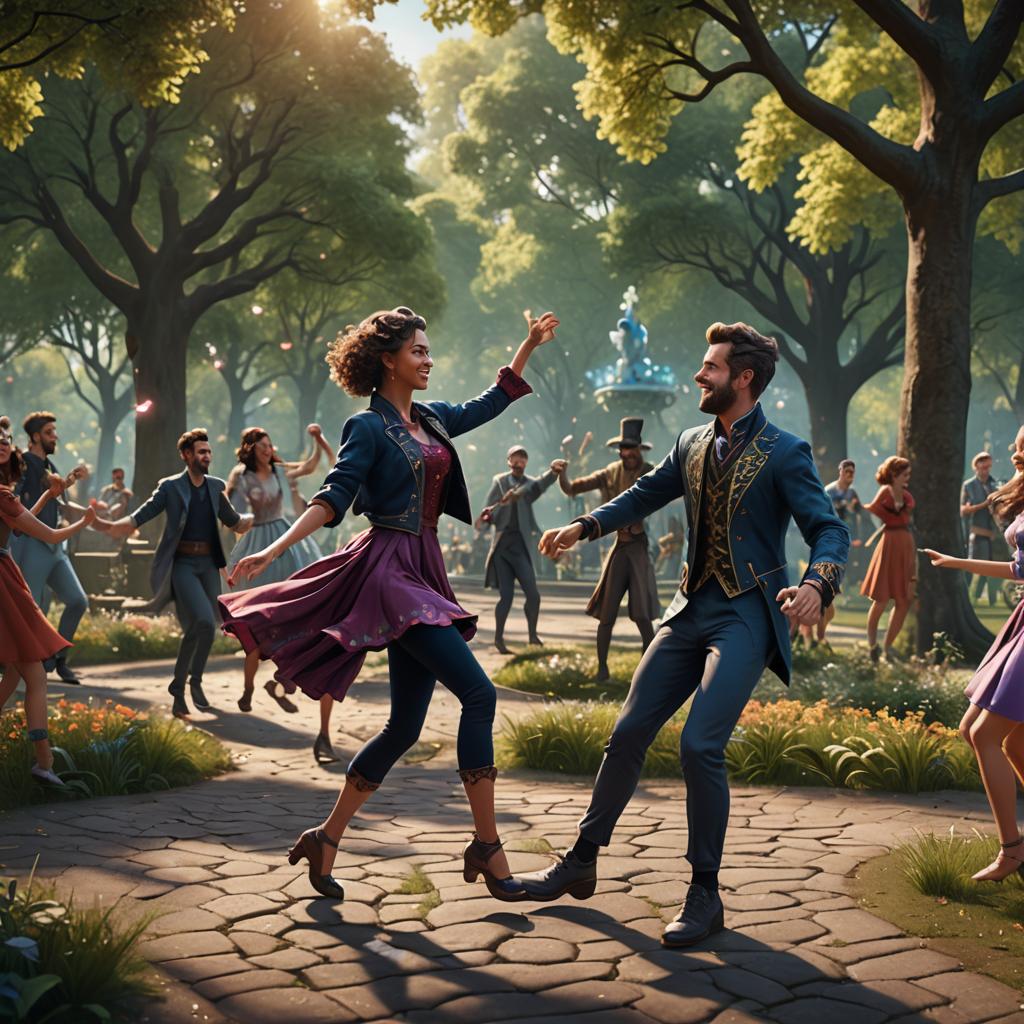
Humans have always sought answers to fundamental questions about their identities and purpose. Mythology and dreams often emerge as profound tools that help individuals navigate the complex terrain of self-discovery and individuation. Dance, in its physicality and spiritual essence, serves as a bridge between these symbolic realms and the psyche.
Myth as a mirror for inner truths
Myths often reflect the archetypal struggles and triumphs of humanity, depicting universal experiences like love, loss, heroism, and transformation. These timeless stories offer more than entertainment; they hold the power to guide individuals through the different stages of life. When people engage with myths, they encounter symbolic representations of themselves, hidden desires, and unresolved conflicts.
The hero’s journey, found in myths across cultures, serves as an allegory for personal transformation and growth. In this way, myths act as a mirror, inviting self-reflection and encouraging a deeper understanding of the individual’s place in the world.
Dance plays a vital role in mythological narratives. In various cultures, the gods and goddesses express their divine essence through dance, symbolizing the harmony between the body and the cosmos.
For example, the Hindu god Shiva performs the cosmic dance of destruction and creation, representing the cyclical nature of existence. The dancer embodies these archetypal movements, translating abstract concepts of life and death into physical expression. Through this act, dancers connect to their inner mythic self, unlocking unconscious aspects of their psyche and gaining insights into their unique life path.
Dreams as a gateway to the unconscious
Dreams serve as another powerful channel through which the unconscious communicates. While myths present collective symbols and narratives, dreams provide deeply personal messages. In the realm of dreams, the psyche reveals itself in raw, symbolic language, offering a direct pathway to the inner world. Dance often appears in dreams as an expression of freedom, conflict, or transformation. When one dreams of dancing, it can signify the flow of emotions, the struggle for balance, or the pursuit of self-integration.
In the context of individuation or self actualization, dreams offer a rich landscape for exploration. Carl Jung viewed individuation as a process of becoming whole by integrating the conscious and unconscious aspects of the self. He emphasized the importance of analyzing recurring symbols, characters, and emotions in dreams as they reveal critical insights about unresolved psychological conflicts. Dreams that include dance motifs can represent the merging of fragmented parts of the psyche. When dancers confront these dream symbols, they begin to reconcile opposing forces within themselves, leading to a deeper understanding of their identity.
Dance as an embodiment of inner transformation
Through the act of dancing, we can bring the unconscious into conscious awareness. Dance allows the body to express what words cannot. Movements represent emotional states, hidden desires, and personal conflicts. By dancing, individuals engage in a symbolic dialogue with their inner world, working through emotions that have yet to surface in waking life.
The dancer enacts the hero’s journey, performing movements that symbolize the trials, challenges, and transformations experienced in the inner world. This process reflects the individuation journey—a quest toward self-awareness, balance, and integration. Just as the hero in myth must confront and overcome obstacles to reach a higher understanding, the dancer moves through physical and emotional challenges, discovering new aspects of themselves along the way.
Concluding reflections
Both myth and dreams present individuals with an opportunity to explore and integrate the hidden parts of their psyche. Through dance, these abstract symbols and inner experiences become physical, offering a holistic approach to self-discovery.
Myths and dreams offer the symbols, and dance provides the medium to process and express them.






Leave a Reply