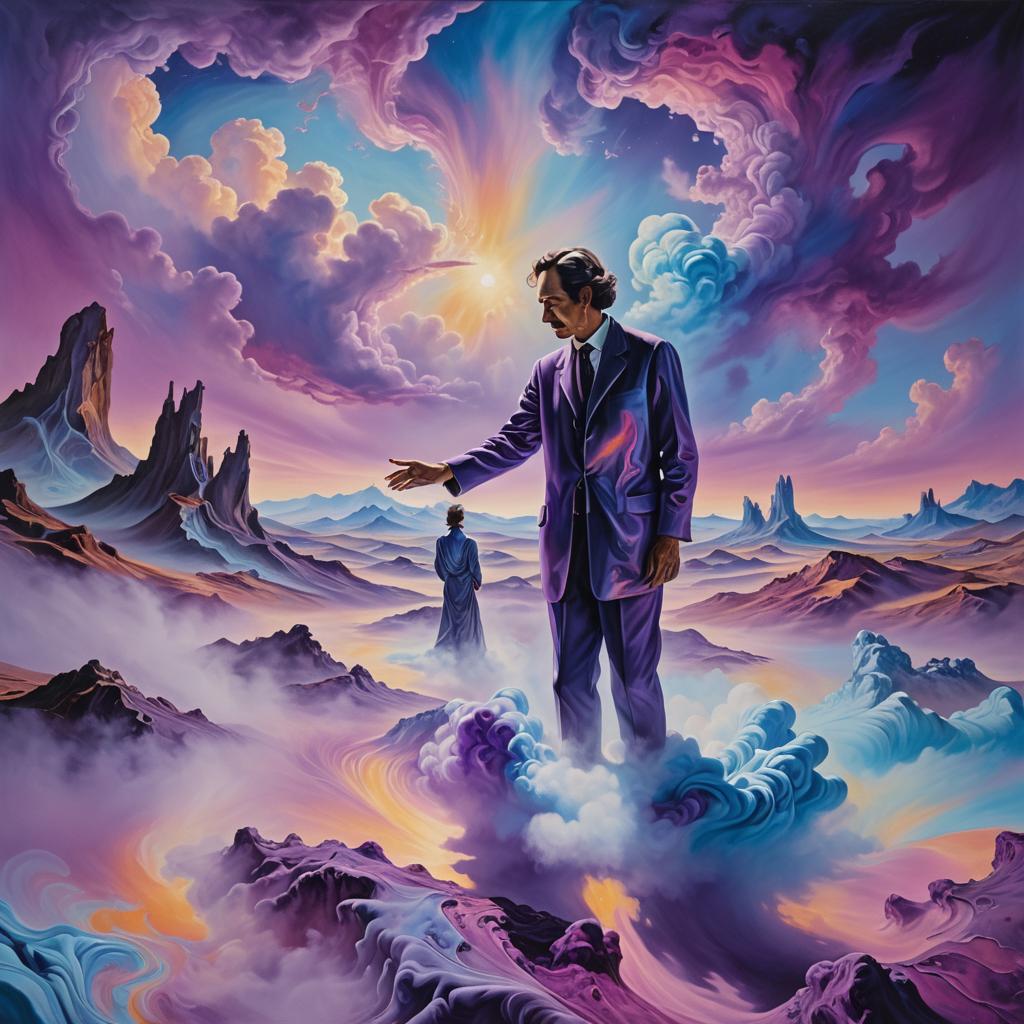
Human beings have long wondered about the nature of the mind and consciousness, constantly seeking to understand who we are and what our place is in the world. One of the most personal, yet universal, experiences that offers insight into this journey is daydreaming.
Daydreaming may seem like a simple escape, but it opens the door to a rich inner world, full of meaning and possibility. It reveals aspects of our unconscious mind, our desires, fears, and unresolved conflicts. Understanding daydreaming provides a window into the complex landscape of our psyche and can aid in the process of self-discovery and individuation.
Daydreaming as creative thought
Daydreaming, in its most basic form, involves the mind wandering away from the present task or reality. It is often spontaneous, unrestrained, and flows from an unconscious stream of thought. People daydream when they allow their mind to drift into imaginative, often abstract ideas.
The content could be a vision of the future, a memory of the past, or a fictional story created in real-time. These inner excursions help the mind explore creative possibilities, making it an essential tool in problem-solving and planning. In this way, it allows us to practice mental flexibility and inventiveness, tapping into the broader definition of creativity that involves improvisation and adaptation.
Jungian perspective on daydreaming
From a Jungian perspective, daydreaming is much more than idle fantasy. Carl Jung believed that the unconscious mind plays a pivotal role in shaping our thoughts, behaviors, and life patterns. Daydreams represent archetypal images, personal complexes, and our unconscious. Jung viewed these moments of reverie as a means of communicating with deeper layers of the psyche, allowing repressed aspects of ourselves to surface.
The relationship between daydreams and myths
Myths and daydreams share common ground, as both reflect archetypal stories that resonate with human experience. Myths often represent universal themes such as heroism, transformation, and the battle between opposing forces. Similarly, daydreams are filled with symbolic narratives that echo these archetypal struggles.
For instance, in the myth of Theseus and the Minotaur, Theseus faces a terrifying monster in the labyrinth, symbolizing the confrontation with the darker, unknown aspects of the self. Similarly, someone might daydream about being lost in a maze or battling a formidable creature. In Jungian terms, this can represent the inner struggle to confront one’s own shadow, the parts of the self that are feared or repressed, like guilt or anger. The monster reflects the need to face and integrate these hidden aspects for personal growth, much like Theseus ultimately conquering the Minotaur to free himself and his people.
In the myth of Persephone’s descent into the underworld. Her journey represents cycles of death and rebirth, loss and renewal. A person might daydream about descending into dark, unknown places, such as a cave or a deep ocean. This could symbolize an unconscious engagement with the process of inner transformation, paralleling Persephone’s myth. The daydreamer might be exploring their own feelings of loss, grief, or the need for renewal, mirroring the archetypal themes in Persephone’s descent and eventual return.
The role of daydreaming in individuation
Individuation, a key concept in Jung’s work, refers to the process of integrating various parts of the self into a harmonious whole. Daydreaming plays a vital role in this process, as it offers glimpses of our unconscious desires, conflicts, and aspirations. By reflecting on the content of our daydreams, we engage in dialogue with the unconscious, gaining insight into unresolved issues and hidden potentials.
The process of turning inward and exploring these images helps move us closer to our true selves. Daydreams may illuminate what we yearn for or what we fear, offering us clues about our current psychological state and the areas in our lives that require attention.
Rather than dismissing them as mere distractions, the Jungian therapist invites the individual to reflect on their symbolic content. A daydream about escaping to an unknown place may reflect the desire for freedom or change, while a recurring image of conflict may highlight an inner struggle. By analyzing these symbols, we connect more deeply with our inner world and gain a clearer understanding of our unconscious motivations. This exploration allows us to better navigate the challenges and transformations in our lives, moving closer to a more authentic existence.
Diving deeply into the soul
Daydreaming offers a pathway into the soul’s depths, unlocking parts of the unconscious that guide our journey toward self-realization. Through the lens of Jungian psychology, daydreams become much more than fleeting fantasies—they are vital components in the pursuit of individuation, symbols of our personal and collective experiences waiting to be uncovered.





Leave a Reply