
The Matrix remains one of the most influential films of our time, offering a provocative vision of control and illusion. While many associate the movie with ideas of simulated reality, it holds a much more striking relevance to our own world today—a world that is becoming increasingly oversaturated and controlled by technology. As technology evolves, it transforms the way we experience our lives. We are surrounded by screens, algorithms, social media, and digital platforms that seem to dictate our every move, just as the Matrix dictates the lives of its inhabitants. The movie reflects the deep flaws inherent in our present reality, offering a chilling warning about the risks of losing our autonomy and identity in the face of an all-powerful technological system.
Technology as a controlling force
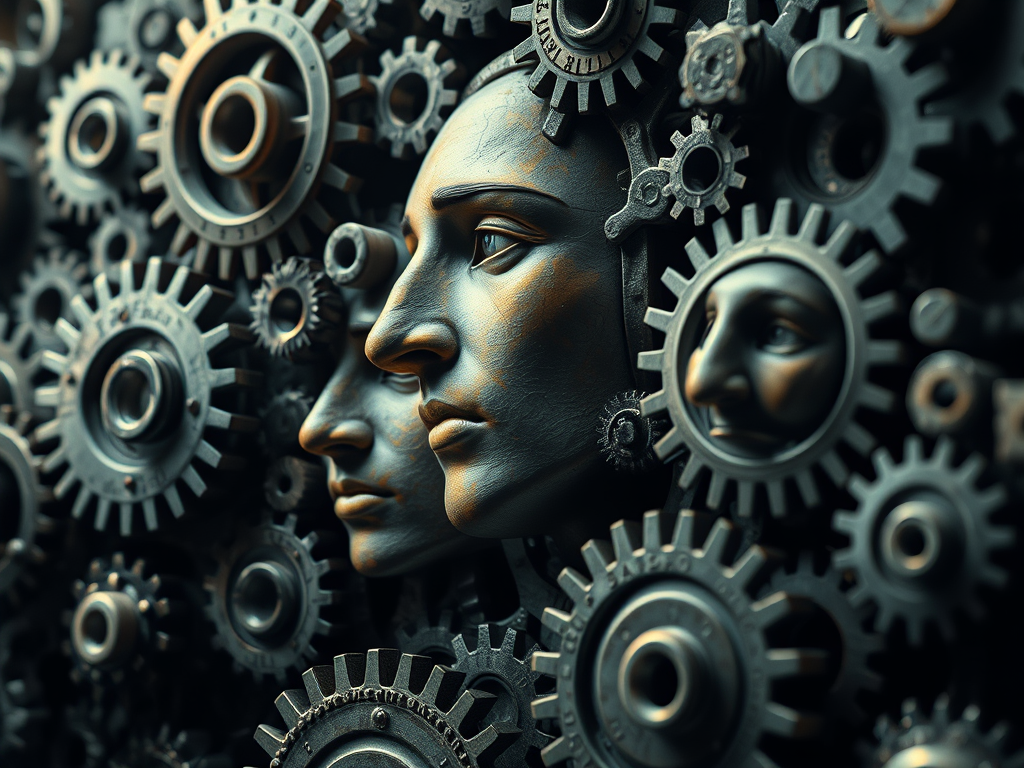
In the world of The Matrix, the machines control humanity by keeping people trapped in a simulated reality. This allegory mirrors how technology in our current world has the potential to take control of our lives. Devices, from smartphones to smart homes, create an ecosystem of dependence. We feel more connected than ever before, yet paradoxically more isolated. Our lives are dictated by algorithms—those invisible systems that curate the content we consume and even shape the decisions we make. Social media platforms determine what we see, the apps we use monitor our habits, and our search histories reveal everything about us. In a sense, the machines are already watching us, not through wires and cables, but through the very technologies we allow into our lives. This reliance on technology often goes unnoticed until we find ourselves deeply integrated into systems that demand our attention at every moment. Just as the Matrix controls the lives of its inhabitants, our own world is increasingly dominated by unseen forces within the tech we embrace.
The illusion of freedom
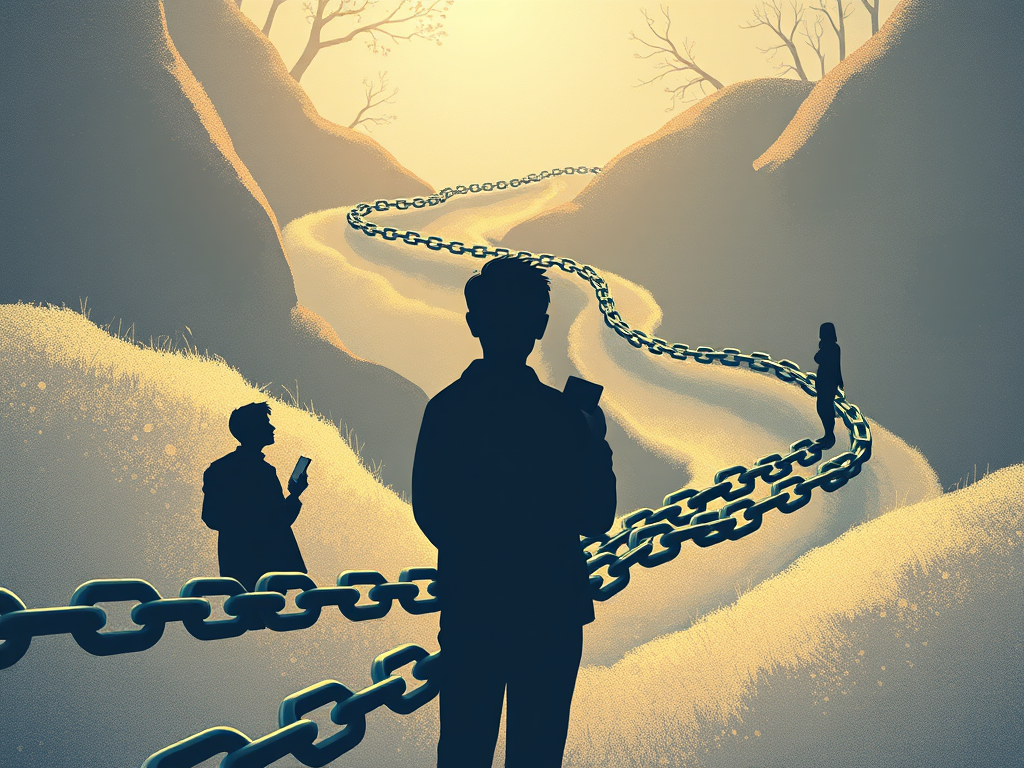
In The Matrix, the protagonists believe they are free, but they are actually imprisoned by the very system that seems to offer them autonomy. This mirrors how many of us perceive the digital world today. We think we have complete freedom—access to endless information, the ability to connect with anyone, anywhere. Yet, behind this illusion, we are subjected to algorithms that filter our experiences, shape our choices, and even manipulate our emotions.
Much like the Matrix’s simulated world, the internet and social media offer an illusion of infinite choice and freedom. We scroll through endless feeds, interact with countless voices, yet we rarely escape the confines of the platforms that control the narrative. In this environment, we think we are in control, but in reality, we are simply responding to cues from a digital puppet master. The freedom we experience is controlled by the very tools that are meant to liberate us.
Oversaturation of information
The Matrix presents a world where the inhabitants are kept busy with endless distractions and illusions, preventing them from seeing the truth. Today, we are also overwhelmed by an excess of information, leading to a similar kind of distraction. The constant flow of news, advertisements, and content fills our days, leaving little room for reflection or genuine connection. Every moment is flooded with notifications, beeps, and updates, and this digital barrage keeps us from engaging in the deeper, more meaningful aspects of life. As we drown in this oversaturation, we risk losing the ability to critically analyze the world around us. In the movie, the characters are kept distracted from the real world by the simulated environment. Similarly, in our own world, technology bombards us with superficial data, keeping us distracted from what truly matters.
The loss of human connection
In The Matrix, human beings are plugged into a system that isolates them from the real world, leaving them unaware of their true potential. This resonates deeply with how modern technology impacts our relationships today. Despite being more connected than ever through digital means, we often feel lonelier and more disconnected. Face-to-face interactions are replaced by text messages and social media posts, and our emotional lives are mediated through screens. As we engage with the world primarily through digital platforms, we risk losing the essence of human connection—our ability to empathize, communicate, and truly be present with one another. Just as the Matrix traps people in a world of illusion, the overwhelming presence of technology can trap us in a cycle of shallow connections, preventing us from experiencing real human interaction.
The commodification of life
In The Matrix, the machines use humans as a source of energy, commodifying their existence. This commodification of life finds a powerful parallel in our current world, where nearly every aspect of our lives is being monetized. From data to personal preferences, every bit of information about us is turned into a product to be sold to the highest bidder. Our attention is commodified through advertisements, and even our emotional responses are analyzed for profit. Social media platforms treat our lives as raw material to be mined for engagement and advertising revenue. The more we participate in the digital ecosystem, the more we contribute to our own commodification. We willingly offer up our time, energy, and data in exchange for access to digital services, but the price we pay is often hidden behind layers of convenience and gratification.
The rise of surveillance and control
Surveillance is a central theme in The Matrix, where the machines monitor the inhabitants of the simulation at all times. In the real world, surveillance is becoming more pervasive as technology advances.
Our personal data is collected and monitored through various devices, apps, and services. Companies track our every move, predict our preferences, and even influence our behavior. Governments employ surveillance technologies under the guise of security, while corporations use our data to manipulate consumer behavior.
While we are told that surveillance is for our benefit, the reality is that it often leads to a loss of privacy and autonomy. Much like the inhabitants of the Matrix, we are increasingly monitored, our actions recorded, and our choices guided by unseen forces.
Technology’s potential to control our bodies and minds
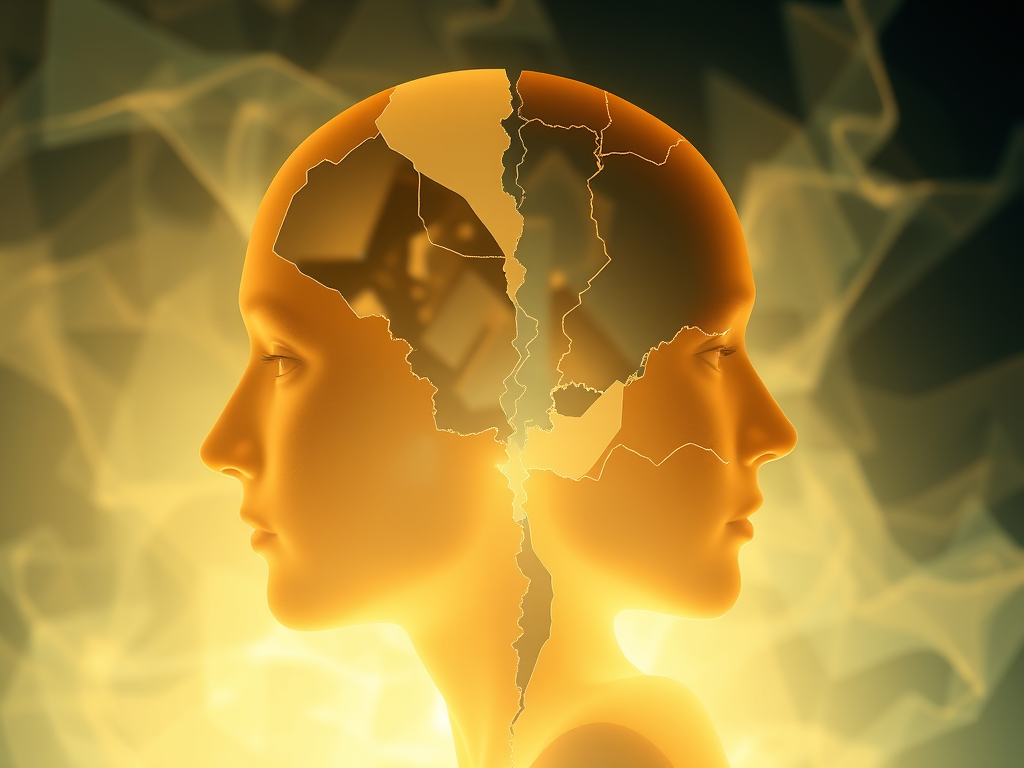
The movie paints a chilling picture of a future where technology controls both the body and the mind. Today, the intersection of technology and the human body is becoming more pronounced, with developments in wearable devices, biometric tracking, and neurotechnology. Companies now track our physical activities, monitor our health, and even try to influence our emotions through digital platforms.
In the near future, technology may be able to influence our thoughts, moods, and even our memories. The fusion of human bodies and technology, though presented as a means of improving our lives, could ultimately serve to reduce our autonomy. Just as the characters in The Matrix are controlled by an external force, we may one day find ourselves under the sway of technologies designed to shape our thoughts and behaviors.
Waking up to the truth
The Matrix presents a stark vision of a world where humanity is enslaved by technology, blind to the truth of its own existence. As we move further into an age dominated by digital technologies, we must ask ourselves: Are we truly free, or are we being controlled by the very tools we use? The movie offers a timeless reflection on the flaws of our modern reality, urging us to recognize the dangers of overreliance on technology. We must remain vigilant, questioning the systems that shape our lives, and work to reclaim our autonomy before we, too, become prisoners of a technological system that demands more of us than we realize.




Leave a Reply