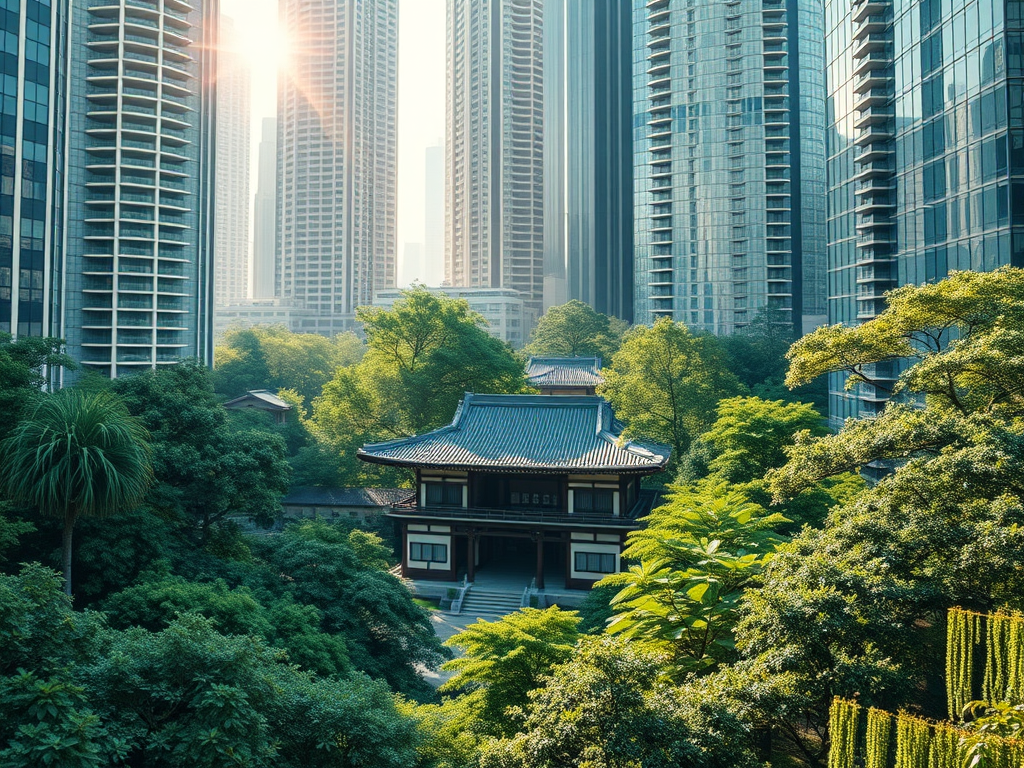
For decades, Japan has been known for its intense work ethic, long hours, and deep sense of professional duty. Images of crowded trains at dawn and employees leaving the office late into the night have shaped global perceptions of Japanese corporate life. Yet beneath this reputation lies a more nuanced reality, one that includes subtle but meaningful practices of rest, recovery, and workplace calm. In recent years, these practices have evolved even further as organizations rethink what a healthy work environment should look like.
Relaxation in Japanese workplaces often begins with small rituals woven into the rhythm of the day. Tea breaks, for example, are more than a moment to sip something warm. They are a quiet cultural pause, a chance to reset the mind and reconnect with colleagues in a gentle, unspoken way. Even in fast-paced offices, these moments of calm are treated with respect, as if acknowledging that productivity cannot exist without periods of stillness.
One of the most intriguing aspects of Japanese work culture is the concept of inemuri, the practice of dozing lightly while remaining present. To outsiders, the idea of sleeping at one’s desk might seem unprofessional, but in Japan it carries a very different meaning. Inemuri is understood as a sign of commitment — evidence that an employee has been working diligently and simply needs a brief moment to recharge. It is not a deep sleep but a light, socially accepted rest that allows the mind to reset without fully disengaging from the environment. This unique cultural norm reflects a broader truth: even in demanding workplaces, rest is not always seen as weakness.
Modern Japanese companies have begun to take relaxation even more seriously, integrating it into their office design and corporate philosophy. Tech firms in Tokyo, for instance, often include quiet rooms for meditation or power naps, soft lighting to reduce strain, and indoor greenery to create a sense of calm. These spaces are not afterthoughts but intentional investments in employee well-being. They signal a shift from the traditional expectation of endurance toward a more balanced understanding of human performance.
Group activities also play a role in workplace relaxation. Morning stretching routines, known as radio taisō, remain a familiar sight in many organizations. These simple exercises, broadcast over speakers or performed together in open spaces, help employees ease into the day with a sense of unity and physical ease. Some companies go further, offering mindfulness sessions, breathing exercises, or team lunches designed to break the tension of the workday and strengthen social bonds.
Of course, relaxation in Japanese work culture is not limited to office hours. The tradition of nomikai, or after-work social gatherings, has long served as a pressure valve for employees. These gatherings allow colleagues to unwind, speak more freely, and build relationships outside the formal structure of the office. While participation was once seen as almost obligatory, younger generations are reshaping the custom, treating it more as an option than a requirement. This shift reflects broader changes in Japanese society, where work–life balance is becoming increasingly valued.
In recent years, the Japanese government and many private companies have taken active steps to address overwork and promote healthier lifestyles. Initiatives such as Premium Friday, which encourages employees to leave early once a month, and the growing adoption of flexible schedules and remote work demonstrate a clear cultural transition. Younger workers, in particular, are pushing for environments that respect personal time and mental well-being, and organizations are responding.
Relaxation in Japanese workplaces is no longer limited to quiet tea breaks. It is becoming part of a larger conversation about sustainability, productivity, and human dignity. The evolution is gradual, but unmistakable. Japan’s corporate world is learning that rest is not the opposite of work but an essential partner to it — a truth that resonates far beyond its borders.






Leave a Reply