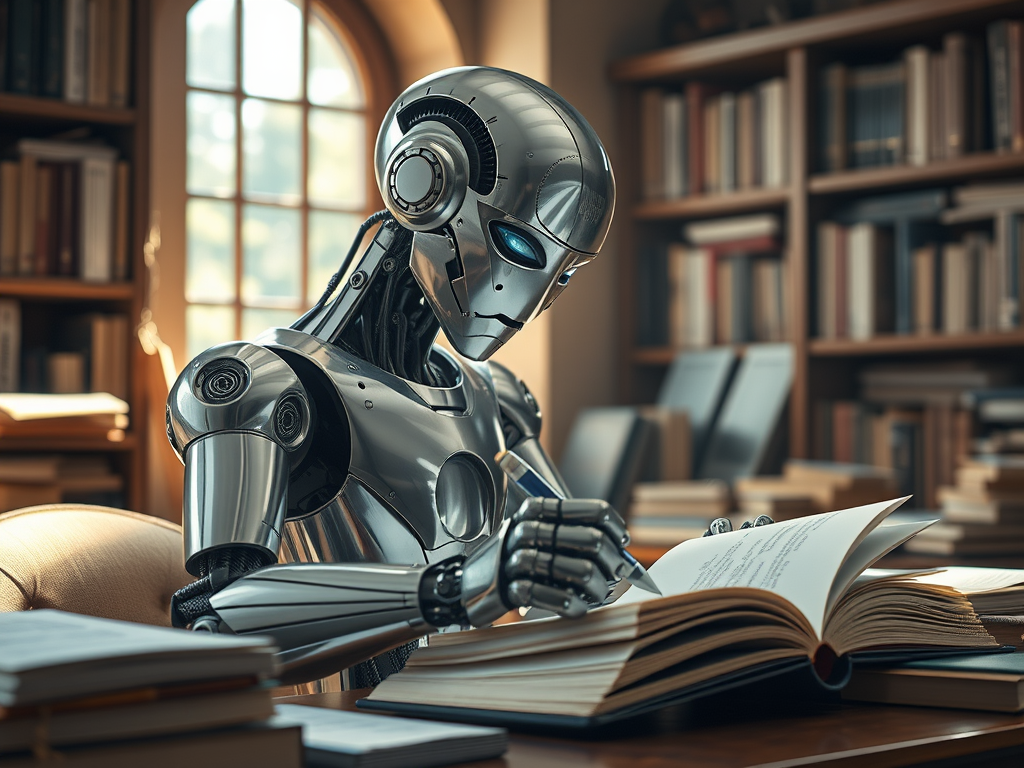
How to Improve Sentence Rhythm in AI Texts
Writers who work with AI‑generated text often aim for higher quality, and prompts are the primary tool for achieving it. A well‑designed prompt does more than request information; it shapes the movement of the prose itself. Rhythm becomes one of the most decisive elements in this process. It determines how ideas unfold, how a paragraph flows, and how the reader experiences the text. When the cadence is flat, even strong content feels muted. When the rhythm varies with intention, the prose gains clarity, energy, and presence.
AI tends to produce sentences of similar length and structure. The model prefers mid‑length constructions with balanced clauses, avoiding extremes that might introduce syntactic risk. This creates a steady cadence that quickly becomes monotonous. Human writing, by contrast, shifts pace. A short sentence sharpens a point. A longer one develops nuance. Variation creates momentum, and momentum sustains attention.
Awareness of these tendencies makes it easier to design prompts that influence rhythm. A paragraph that feels heavy often suffers from identical pacing across its sentences. Prompts that encourage contrast—by asking for shorter openings, extended developments, or occasional abrupt statements—break the monotony. Rhythm is not decorative; it is structural. It shapes emphasis, controls breath, and directs focus.
Prompts
To guide the model toward more dynamic prose, prompts can explicitly address rhythm. Effective instructions include:
- Vary the sentence length to create a natural rhythm.
- Avoid using sentences of similar structure throughout the paragraph.
- Mix short, direct statements with longer, more developed ones.
- Use pacing that reflects the importance or intensity of the idea.
- Let rhythm support meaning rather than smoothing every sentence into the same shape.
These prompts do not change the content; they change the experience of reading it. They push the model away from uniformity and toward a more deliberate, human‑like flow.
Sentence rhythm ultimately determines how AI‑generated text feels. Strong ideas lose force when delivered in a monotonous cadence. Varied rhythm restores intention and presence. Writers who pay attention to rhythm—and who use prompts to steer the model toward it—gain a level of control that significantly improves the quality of the prose.






Leave a Reply