
Throughout the ages art has served as a mirror to society, reflecting its values, beliefs, and emotions. Yet, beneath the surface of a painting or sculpture lies a world of symbols, waiting to be deciphered by those who dare to delve deeper. Symbolism in art is a language of the soul, a means through which artists communicate profound truths and universal experiences without uttering a word.
From the enigmatic smile of the Mona Lisa to the haunting imagery of Salvador Dalí‘s melting clocks, symbolism has transcended time and space, captivating the imagination of viewers across generations.
Symbols speak a language all their own, transcending linguistic barriers to convey complex emotions and ideas. A red rose, for instance, is more than just a flower—it is a timeless emblem of love and passion. A humble apple carries connotations of temptation and forbidden knowledge, like in the story of Adam and Eve.
In the artist’s palette, colors are imbued with symbolic significance, each hue evoking a distinct mood or emotion. The vibrant red of a sunset symbolizes passion and vitality. The serene blue of a calm ocean embodies tranquility and peace.
Allegory, a form of symbolic storytelling, allows artists to convey moral, political, or philosophical messages through metaphorical imagery. In Hieronymus Bosch’s “The Garden of Earthly Delights,” for example, the surreal landscape serves as a cautionary tale about the consequences of indulgence and excess. Through allegory, artists challenge viewers to change perspectives and contemplate their place in the world.
Deciphering the symbols hidden within a work of art is akin to finding a treasure. Yet, interpretation is not a simple businesses. Each viewer brings their own perspective, enriching the conversation with diverse interpretations.
Consciousness and symbolism
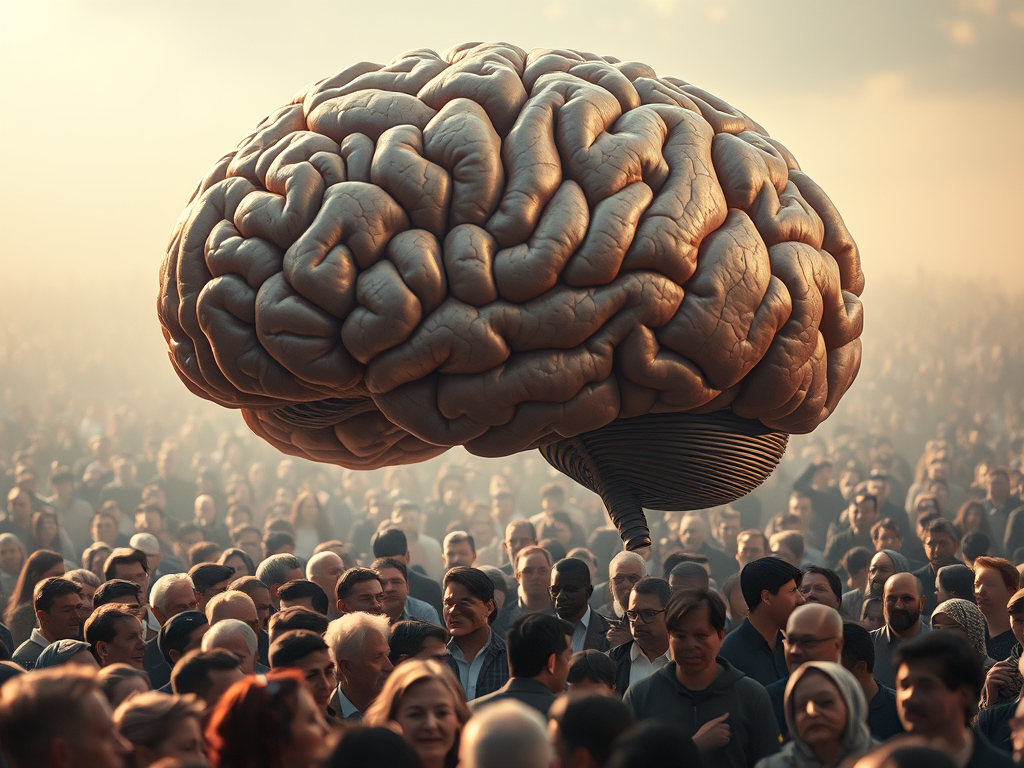
Consciousness is a multifaceted realm, encompassing the conscious, subconscious, and unconscious aspects of our being. Like a vast and uncharted territory, it harbors hidden depths and untold mysteries, waiting to be explored. Symbolism is offering glimpses into the recesses of the psyche through metaphor and allegory.
At its core, symbolism is a reflection of the human experience, mirroring our fears, desires, and aspirations in vivid imagery and metaphor. Through symbols, artists externalize the internal, giving form to abstract concepts and ineffable emotions. In the act of creation, they offer us a glimpse into their own consciousness, inviting us to contemplate our shared humanity.
Symbols play a central role in the construction of personal and collective identity. They serve as markers of belonging, affiliation, and social status, signaling our allegiance to particular groups or ideologies. Through symbols, we express facets of our identity that may be difficult to articulate in words.
Symbols can elicit reactions that tap into the depths of our psyche. They can evoke feelings of awe, reverence, fear, or disgust, depending on our individual associations and cultural conditioning.
Unearthing the depths of our psyche
In the writings of Carl Jung, archetypes emerge as universal symbols that resonate across cultures and epochs. These images, such as the hero, the mother, and the trickster, tap into the collective unconscious. They embody behavioral patterns that can guide how to navigate different social situations.
Journeying into the realm of archetypal symbolism is not merely an intellectual exercise. It is a profound odyssey into the depths of our own psyche. As we encounter archetypal symbols in dreams, myths, and works of art, we are confronted with aspects of ourselves that may lie dormant. Many of us possess creative talents that lie dormant due to self-doubt or lack of opportunity. By nurturing our creative pursuits, we can unlock our creative potential and bring more beauty and success into our lives.
Archetypal symbols serve as mirrors, reflecting back to us the hidden truths and unconscious desires that shape our thoughts. By embracing these symbols we cab unlocking the power of archetypal transformation to guide us on our path to wisdom. For instance, when we resonate with a hero in a narrative, it may reflect our own yearning for adventure.
In summary, symbolism is providing a means to delve into the intricacies of the psyche through metaphor and imagery. By embracing these symbols we tap into the archetypal wisdom, which can guide us towards personal well-being and self-realization.







Leave a Reply