
Mythology, often dismissed as mere fiction or the vestiges of ancient cultures, holds profound importance in the quest for self-knowledge. These timeless stories, spanning cultures and epochs, are more than just tales of gods, heroes, and monsters—they are reflections of the human psyche and a mirror to our innermost fears, desires, and potentials. Understanding mythology is a journey into understanding ourselves, offering a roadmap for navigating the complexities of the human experience.
Without self knowledge, self awareness and the ability to understand ourselves we cannot be free. Do you really dive into the depths of your psyche. Do you really believe that you are free?
Mythology as a mirror
Myths are, in essence, narratives that encapsulate the collective unconscious of a culture. They are symbolic stories that convey the deep-seated beliefs, values, and existential questions of a society. When we engage with these myths, we are not just reading about distant gods or epic heroes; we are encountering archetypes that reside within us.
Carl Jung emphasized that myths are expressions of universal themes that lie within the collective unconscious—a part of the psyche shared by all humans. His perspective was also supported by Joseph Campbell.
For example, the hero’s journey, a common motif in mythology, reflects the universal process of personal growth and transformation. This journey, depicted in stories like those of Hercules or Odysseus, represents our own struggles, challenges, and ultimate triumphs. Understanding these archetypal stories, helps us better comprehend our own life’s journey. We can recognize the stages of our personal development and the inner conflicts we must overcome.
The role of myth in the process of individuation
The gods and goddesses of mythology are not just figures to be worshiped; they are personifications of different aspects of our psyche. For instance, Athena represents wisdom and strategic warfare, while Dionysus embodies chaos, passion, and ecstasy. By exploring these deities, we gain insight into the multifaceted nature of our own identities, recognizing that we, too, embody these diverse and sometimes conflicting traits.
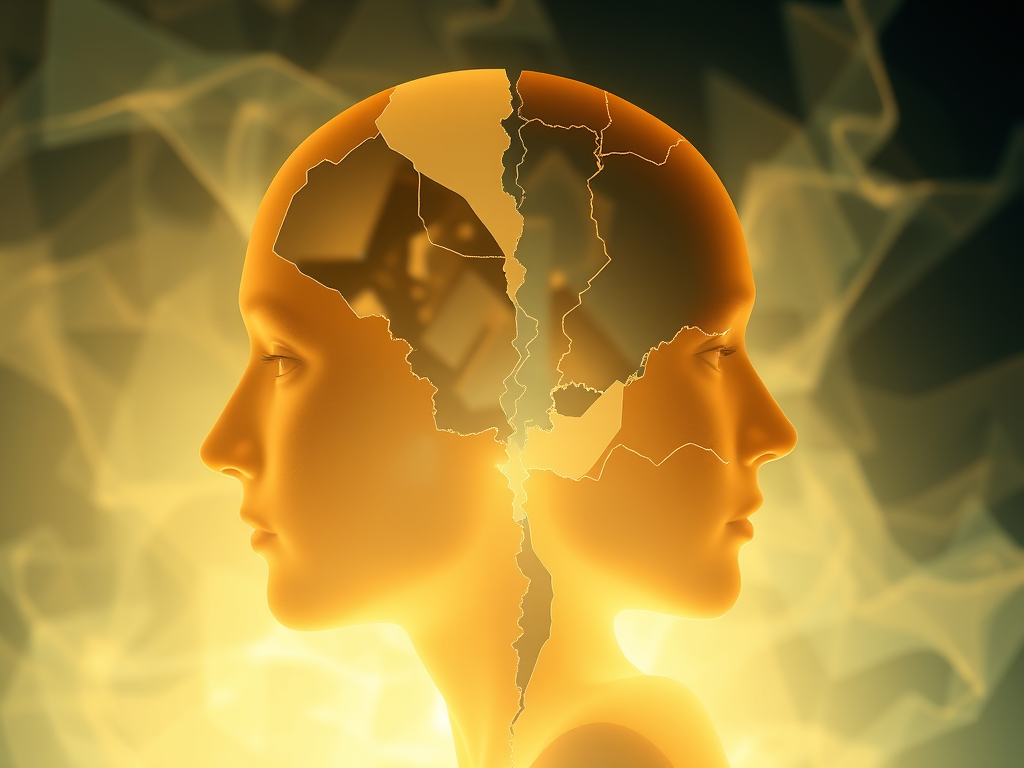
Moreover, myths often portray the balance between opposing forces, such as light and dark, order and chaos, or life and death. These dualities are not just external realities but internal experiences that shape our consciousness. Through the mythic lens, we can better understand the necessity of embracing both sides of these polarities, leading to a more integrated and harmonious sense of self.
Meaning and purpose
In a world that often feels chaotic and devoid of meaning, mythology offers a framework for making sense of our experiences. Myths provide a narrative structure that can contribute to organize our lives, offering a sense of purpose and direction. They address fundamental questions about existence—Why are we here? What is our purpose? How should we live?—and offer answers that resonate on a deep, symbolic level.
For instance, the myth of Prometheus, who defied the gods to bring fire to humanity, can be seen as a metaphor for human ambition, creativity, and the quest for knowledge. These powerful themes reflect the tension between our aspirations and the limitations imposed by the world, encouraging us to consider the consequences of our actions and the ethical dimensions of our choices.
The universality of myth
According to Mircea Eliade, one of my favorite historians, one of the most compelling aspects of mythology is its universality. Despite the vast differences in cultures and historical contexts, similar myths appear across the globe.
The flood myth, the trickster figure, and the dying-and-reborn god are just a few examples of mythological themes that recur in diverse cultures. This universality suggests that myths tap into something fundamental about the human experience, transcending the specifics of time and place.
When we are exploring myths from different cultures, we gain insight into the diversity and we recognize the commonalities that unite us. This recognition fosters a deeper understanding of ourselves as part of the broader human story, connecting us to the collective wisdom of humanity.
Concluding reflections
Ultimately, mythology is not just about understanding the stories of the past. It is about understanding the story of our own lives. We need to see it is a tool for self-knowledge, that is guiding us on our journey of individuation. When delving into the myths of old, we discover the eternal truths that reside within us, leading to a more profound and meaningful understanding of who we are.




Leave a Reply