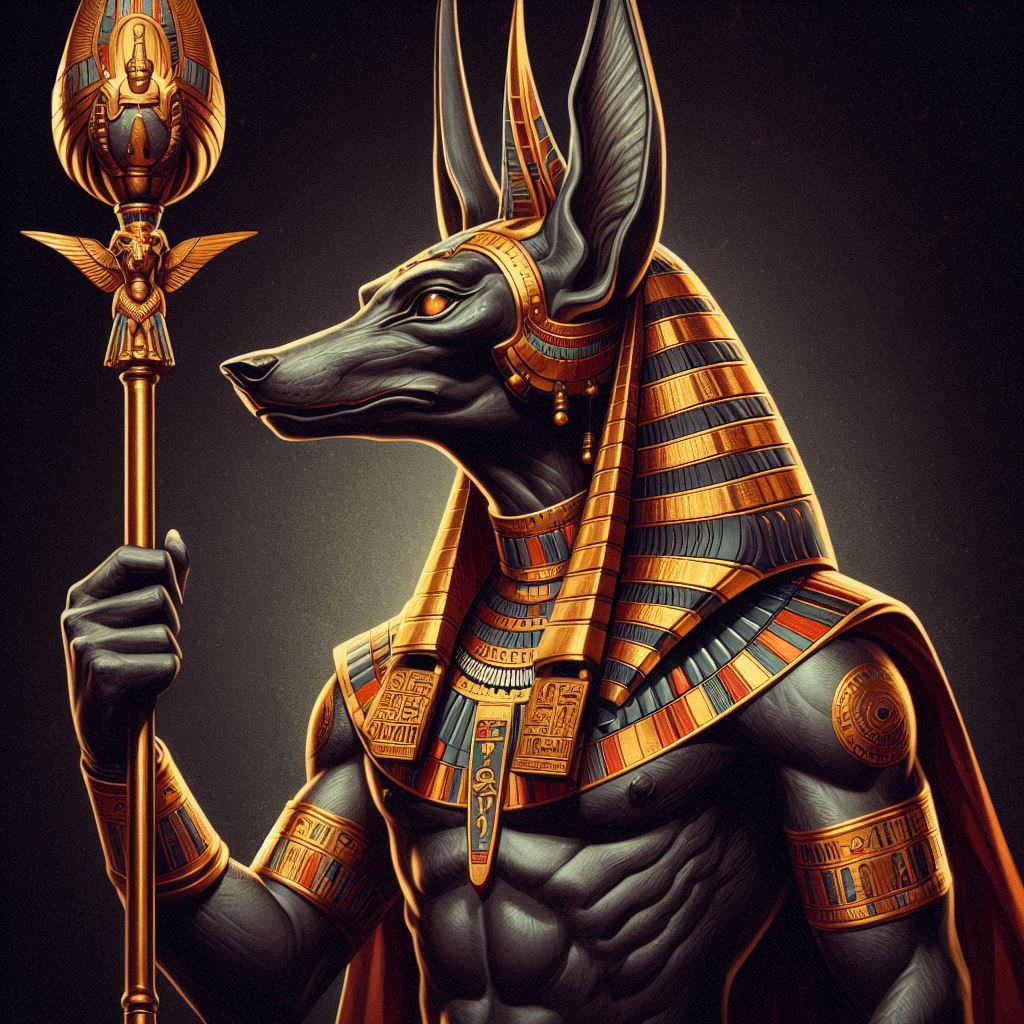
Curses in Ancient Egypt were not merely expressions of anger or frustration; they were considered potent tools for invoking divine retribution or securing justice. They were used in various contexts, from legal matters to personal disputes, and often involved invoking the gods to ensure that wrongdoers received their due punishment.
Religious and magical significance
In ancient Egyptian religion, curses were closely tied to magic and the divine. The Egyptians believed in a pantheon of gods and goddesses who governed different aspects of life and the afterlife. Curses were thought to call upon these deities or supernatural forces to bring about misfortune or retribution against those who acted against divine laws or societal norms.
One of the most famous examples of Egyptian curses is the curse associated with the tomb of Tutankhamun. Discovered in 1922 by archaeologist Howard Carter, the tomb was believed by some to be cursed, as several people involved in the excavation died under mysterious circumstances. Though modern scholars attribute these deaths to natural causes, the idea of a curse was fueled by ancient Egyptian beliefs that sacred spaces, particularly those involving royalty and the afterlife, were protected by powerful supernatural forces.
Curses in legal and social contexts
Curses were not limited to religious or mystical purposes; they also had practical applications in everyday life. In legal contexts, curses were often used in formal decrees or inscriptions to ensure that individuals who wronged others faced divine punishment. These curses could be inscribed on statues, stelae, or other artifacts and were intended to serve as warnings or deterrents.
For example, if someone was accused of theft or betrayal, a curse might be inscribed detailing the specific consequences that would befall the accused if they did not make amends. Such curses were believed to invoke the wrath of deities like Thoth, the god of wisdom, or Ma’at, the goddess of truth and justice, ensuring that the guilty party would face divine retribution.
One well-known type of curse is the so-called “curse tablets,” which were small pieces of metal or pottery inscribed with curses. These tablets were often used in magical rituals and were intended to invoke supernatural forces to bring about specific outcomes.
The legacy of Egyptian curses
The fascination with Egyptian curses continues to captivate modern imagination. Popular culture often portrays these ancient spells as malevolent forces capable of causing great harm, perpetuating a myth that blends historical fact with sensationalism. In reality, curses were a multifaceted aspect of Egyptian culture, reflecting deep-seated beliefs about justice, divine power, and the supernatural.
While the actual effectiveness of these curses is debatable, they provide valuable insights into the values and fears of ancient Egyptian society. They illustrate the lengths to which the ancient Egyptians went to ensure that moral and social order was maintained, using both religious and magical means.




Leave a Reply