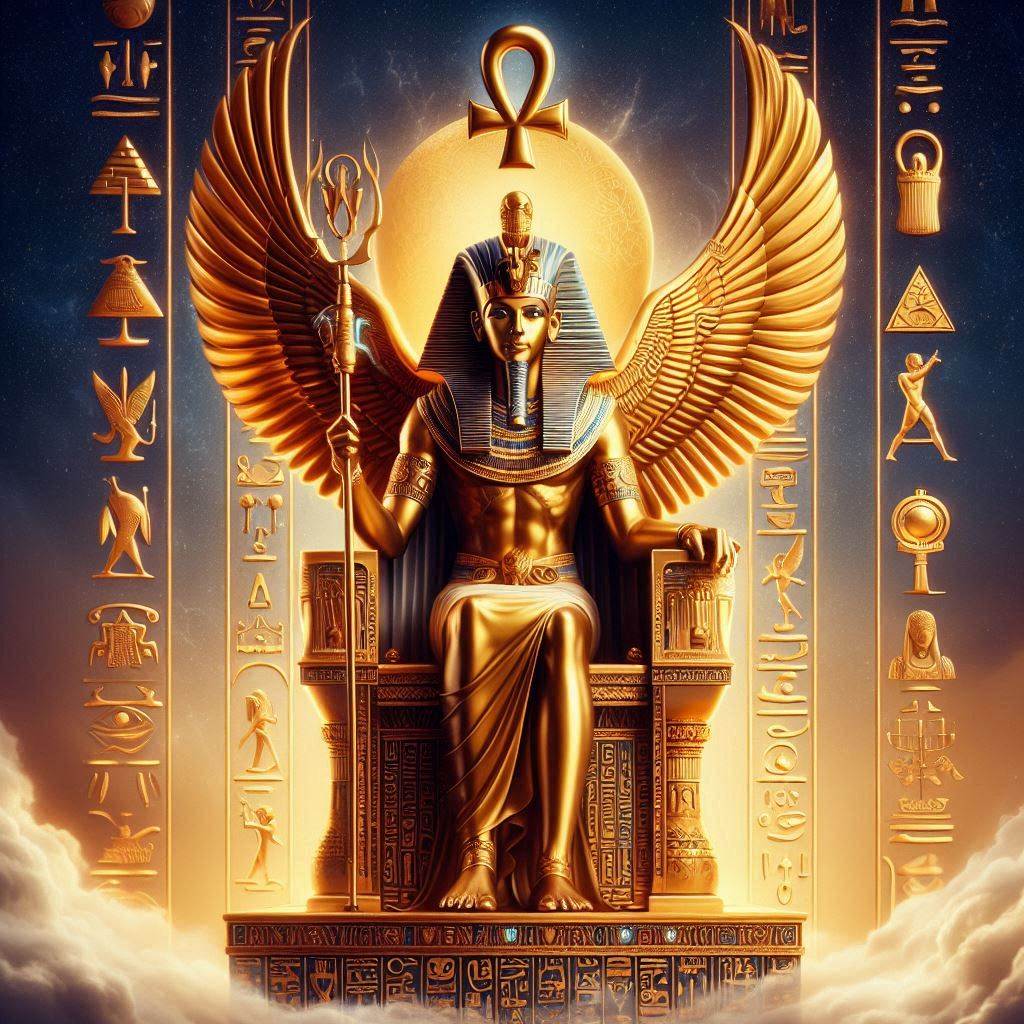
Ancient Egypt, one of the world’s oldest civilizations, developed a complex legal system that reflected its deeply religious society and hierarchical structure. The laws in Ancient Egypt were closely intertwined with the principles of Ma’at, the concept of truth, balance, and justice, which was central to Egyptian life and governance.
The role of the pharaoh in lawmaking
The pharaoh, considered a living god, was the ultimate authority in Ancient Egyptian society. As the representative of the gods on earth, the pharaoh was responsible for maintaining Ma’at and ensuring justice throughout the land. This divine connection meant that the pharaoh had the power to create, interpret, and enforce laws. While the pharaoh’s decrees were considered absolute, they were often guided by the principles of fairness and equity, reflecting the religious and moral values of the time.
The influence of Ma’at on the legal system
Ma’at was more than just a guiding principle; it was the foundation of all laws in Ancient Egypt. The concept of Ma’at encompassed truth, order, balance, and righteousness, and these ideals were reflected in the legal codes. Judges and officials were expected to uphold Ma’at in their rulings, ensuring that their decisions were fair and just. The focus on maintaining harmony and order in society meant that laws were designed to prevent and resolve conflicts rather than simply punish wrongdoing.
The structure of ancient Egyptian courts
The judicial system in Ancient Egypt was well-organized and hierarchical. Local courts, presided over by officials known as “seru,” handled minor cases and disputes. More serious cases were brought before higher courts, where judges, often high-ranking officials or priests, made decisions. At the top of the judicial hierarchy was the pharaoh, who could personally oversee important cases or delegate them to trusted advisors. Trials were conducted in public, and both parties were allowed to present evidence and call witnesses, ensuring a degree of transparency and fairness.
Laws governing everyday life
Ancient Egyptian laws covered a wide range of topics, from property rights and contracts to marriage and inheritance. These laws were designed to protect individuals and maintain social order. For example, property laws ensured that land and goods were fairly distributed and passed down through generations, while marriage laws regulated relationships and the transfer of wealth between families. Inheritance laws were particularly important, as they ensured that property remained within the family and that heirs received their rightful share.
Crime and punishment in ancient Egypt
Punishments for breaking the law in Ancient Egypt varied depending on the severity of the crime. Minor offenses, such as theft or damage to property, were often punished with fines or forced labor.
More serious crimes, like murder or treason, could result in harsher penalties, including execution. Despite the potential for severe punishment, the legal system emphasized restitution and rehabilitation, with an aim to restore harmony and balance within society. The concept of Ma’at required that punishments be fair and proportionate to the offense.
The legacy of Egyptian legislation
The legal system of Ancient Egypt left a lasting impact on the civilizations that followed. The emphasis on justice, fairness, and the rule of law influenced legal systems in the Mediterranean and beyond. While the specific laws of Ancient Egypt did not survive intact, the principles of Ma’at and the pharaoh’s role as the ultimate arbiter of justice set a precedent for future legal traditions.







Leave a Reply