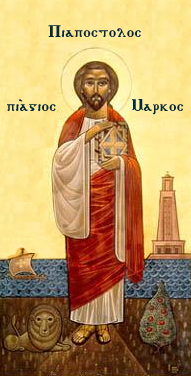
Coptic Egypt, with its rich and complex history, offers a unique window into the fusion of ancient Egyptian traditions, early Christian beliefs, and the resilient spirit of a community that has weathered centuries of change. The Copts, indigenous Christians of Egypt, trace their roots back to the earliest days of Christianity, intertwining their identity with both the pharaonic past and the development of the Christian faith.
The origins of the Coptic Church are intimately connected to the advent of Christianity in Egypt, which is traditionally attributed to Saint Mark the Evangelist. According to Coptic tradition, Saint Mark arrived in Alexandria around 42 CE, bringing with him the teachings of Jesus Christ. Alexandria, a vibrant and cosmopolitan city, quickly became a center of Christian learning and scholarship. The early Egyptian Christians, who identified as Copts, adopted the Greek word “Aigyptios,” meaning “Egyptian,” which later evolved into “Copt.”
Coptic Christianity
Coptic Christianity flourished under the Roman Empire, especially after the conversion of Emperor Constantine in the early 4th century. The Council of Nicaea in 325 CE, where the Nicene Creed was established, included significant contributions from Egyptian theologians, most notably Saint Athanasius, the 20th Patriarch of Alexandria. Saint Athanasius played a crucial role in defining orthodox Christian doctrine, particularly in his defense of the divinity of Christ against Arianism, a widespread heresy at the time.
However, the unity of the Christian world was soon tested by theological disputes. The Council of Chalcedon in 451 CE marked a significant turning point for the Coptic Church. The council’s declaration, which defined Christ as having two natures—both divine and human—was rejected by the Copts, who adhered to Miaphysitism, the belief that Christ has one united nature out of two: divine and human. This theological rift led to the separation of the Coptic Church from the wider Christian world, solidifying its identity as a distinct religious community.
Despite the schism, the Coptic Church thrived in Egypt. Monasticism, a movement that began in the Egyptian desert with figures like Saint Anthony the Great and Saint Pachomius, became a defining characteristic of Coptic spirituality. The monasteries that sprung up across Egypt became centers of religious life, learning, and preservation of Christian texts. The Coptic monastic tradition also exerted a profound influence on Christian monasticism worldwide, inspiring the formation of similar communities in the Eastern Orthodox, Catholic, and later Protestant traditions.
Maintaining national identity
The Arab conquest of Egypt in the 7th century brought significant changes to the Coptic community. Although the Copts initially welcomed the Arab Muslims as liberators from Byzantine rule, they gradually became a minority in their own land. Over time, many Egyptians converted to Islam, but the Coptic Church endured, maintaining its traditions and religious practices. The Copts faced periods of persecution and marginalization, particularly during times of political instability or Islamic zealotry. Nevertheless, they managed to preserve their religious identity, language (Coptic, a direct descendant of the ancient Egyptian language), and cultural heritage.
Throughout the medieval period, Coptic art and architecture flourished, blending Christian themes with traditional Egyptian motifs. The Coptic language, used in religious texts and liturgy, also played a crucial role in preserving the spiritual and cultural life of the community. Coptic icons, illuminated manuscripts, and church architecture reflect a deep continuity with Egypt’s ancient past while expressing the distinct theological and spiritual outlook of the Copts.
In the modern era, the Copts have continued to navigate the challenges of living as a religious minority in a predominantly Muslim country. The 19th and 20th centuries witnessed periods of both renewal and repression. Coptic leaders sought to revive their community through educational reforms, the building of new churches, and a renewed emphasis on religious instruction. However, they also faced waves of violence, particularly in the form of sectarian attacks that targeted Coptic individuals, churches, and businesses.
Despite these challenges, the Coptic Church has remained a vital force in Egypt. The Coptic Pope, the spiritual leader of the Copts, holds significant influence not only within the community but also in broader Egyptian society. The church has been active in promoting social services, education, and interfaith dialogue, seeking to build bridges between the Copts and their Muslim neighbors.
Modern times, old feud
In recent years, the Coptic community has gained international attention, particularly in the wake of attacks by extremist groups. The resilience of the Copts, however, has been a testament to their enduring faith and deep-rooted connection to their homeland. They have continued to celebrate their religious festivals, such as Christmas and Easter, with fervor, drawing on centuries-old traditions that link them to the early Christians of Egypt.
Conclusion
Coptic Egypt stands as a powerful symbol of continuity amidst change. The Copts, as the descendants of ancient Egyptians and the bearers of one of the oldest Christian traditions, have played a significant role in shaping the religious and cultural landscape of Egypt. Their history is a story of survival, adaptation, and unwavering faith, reflecting the broader narrative of Egypt as a land where ancient traditions and new beliefs have interwoven to create a rich and diverse tapestry of human experience.







Leave a Reply