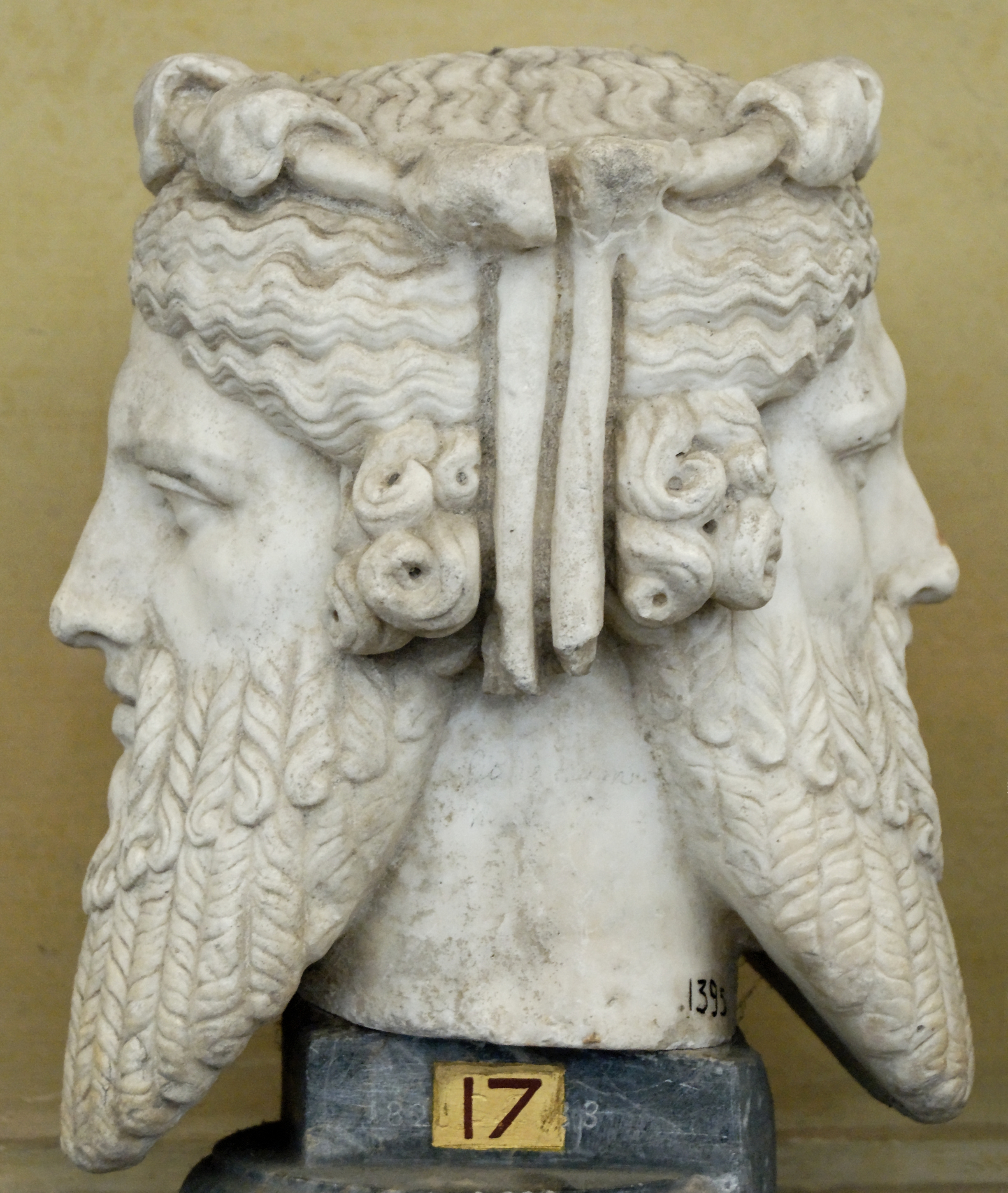
Cultural biases are preconceived notions or prejudices that arise from the influence of one’s own cultural background. They can affect how people perceive and interact with others from different cultures. Here are some examples of cultural biases:
Ethnocentrism
Believing that one’s own culture or ethnic group is superior to others. For example, assuming that Western-style democracy is the best form of government for all societies without considering local traditions and values.
Stereotyping
Generalizing attributes to all members of a particular group based on limited information. For instance, assuming that all Asian people are good at math or that all Middle Eastern people are Muslim.
Cultural Norms Bias
Judging other cultures based on one’s own cultural norms. For instance, viewing cultures that have different family structures or gender roles as inferior or less civilized.
Language Bias
Making assumptions about someone’s abilities or intelligence based on their accent or the language they speak. For example, considering someone who speaks with a strong accent as less competent or less educated.
Gender Bias
Expecting certain behaviors or roles based on gender, which can vary widely across cultures. For instance, assuming that women in all cultures are primarily homemakers, even though in many societies women have diverse and significant roles in the workforce and leadership.
Religious Bias
Assuming that everyone should adhere to the same religious practices or beliefs. For example, expecting people from non-Christian backgrounds to celebrate Christian holidays or viewing them as lacking moral values because they do not follow the same religious practices.
Cultural Homogeneity Bias
Assuming that all people from a particular country or region share the same cultural traits or values. For instance, thinking that all people from a particular Latin American country have the same cultural practices and perspectives, despite significant regional and individual differences.
Historical Bias
Interpreting events or cultural practices through the lens of one’s own historical experiences, often leading to misunderstandings. For example, interpreting colonial histories solely from the perspective of the colonizers without understanding the impact on the colonized societies.
Social Class Bias
Making judgments about individuals based on perceived social class or economic status, which can be influenced by cultural context. For example, assuming that someone from a lower socioeconomic background lacks ambition or capability, without recognizing systemic factors affecting their situation.
Cultural Superiority
Viewing one’s own cultural practices or achievements as the benchmark for all others, leading to the devaluation of different cultural practices. For example, dismissing traditional healing practices in Indigenous cultures as unscientific without understanding their cultural significance and effectiveness within their own context.
These examples demonstrate how cultural biases can influence perceptions and interactions, often leading to misunderstandings and reinforcing stereotypes. Recognizing and addressing these biases is crucial for fostering greater cross-cultural understanding and respect.






Leave a Reply