
In the fabric of human relationships, emotional warmth has often been the thread that binds individuals, families, and communities together. However, in the present day, there is a palpable shift—a cooling of emotional intimacy that leaves many feeling adrift in a sea of superficial connections. This emotional coldness is not simply the absence of warmth, but rather a complex phenomenon influenced by various cultural, technological, and psychological factors.
The rapid rise of digital communication is one of the most significant contributors to this coldness. With the ease and convenience of texting, social media, and instant messaging, our interactions have become increasingly fragmented. The nuance of face-to-face conversation is often lost in the brevity of typed messages, where tone, inflection, and even pauses can speak volumes that words alone cannot. This shift from direct, personal communication to mediated interactions has created a distance—a gap where misunderstandings can fester, and genuine emotional exchange can falter.
Individualism
Moreover, the culture of individualism that pervades modern society amplifies this distance. Success is frequently measured by personal achievements, often at the expense of collective well-being. The pursuit of self-fulfillment, while not inherently negative, can sometimes overshadow the importance of deep, meaningful connections. The emphasis on self-reliance can lead to emotional self-sufficiency, where vulnerability is seen as a weakness rather than a natural and necessary aspect of human connection. In such a landscape, people may find themselves withdrawing emotionally, either to protect themselves or to conform to societal expectations that prioritize independence over interdependence.
Loss of identity and authenticity
The pressure to maintain a certain image—whether it be through social media or in real life—further exacerbates this issue. Curated lives, edited to perfection, leave little room for genuine emotional expression. In a world where authenticity can be sacrificed for the sake of appearances, relationships can become shallow, driven more by what is shown than what is truly felt. The result is often a disconnect between the outer facade and the inner reality, leading to interactions that lack depth and sincerity.
In a time where personal worth is often gauged by the number of likes, followers, or connections, the fear of not being accepted can stifle genuine emotional expression. This fear can lead individuals to retreat behind a wall of emotional coldness, shielding themselves from potential hurt but also from the possibility of true connection. In avoiding the pain of rejection, many inadvertently isolate themselves, perpetuating a cycle of loneliness and emotional detachment.
The consequences of this emotional coldness are far-reaching.
Relationships that lack emotional depth are often more fragile, more prone to misunderstandings, and less resilient in the face of challenges. Without the foundation of genuine emotional connection, conflicts can become harder to resolve, and the bonds that once held people together can fray and ultimately break. The sense of community, once a cornerstone of human life, can erode, leaving individuals feeling isolated even when surrounded by others.
In this context, it becomes apparent that emotional coldness is not merely a personal issue but a societal one. It reflects broader shifts in how we relate to one another, how we prioritize our time and attention, and how we navigate the complexities of modern life. The warmth of human connection, once taken for granted, now seems increasingly elusive, overshadowed by the very tools and attitudes that should bring us closer together.
This reflection on emotional coldness in current human relationships highlights a paradox: in an age where we are more connected than ever before, we seem to be growing emotionally distant. It is a chilling reminder of the importance of nurturing the bonds that make us human, even in a world that often seems to value everything but.
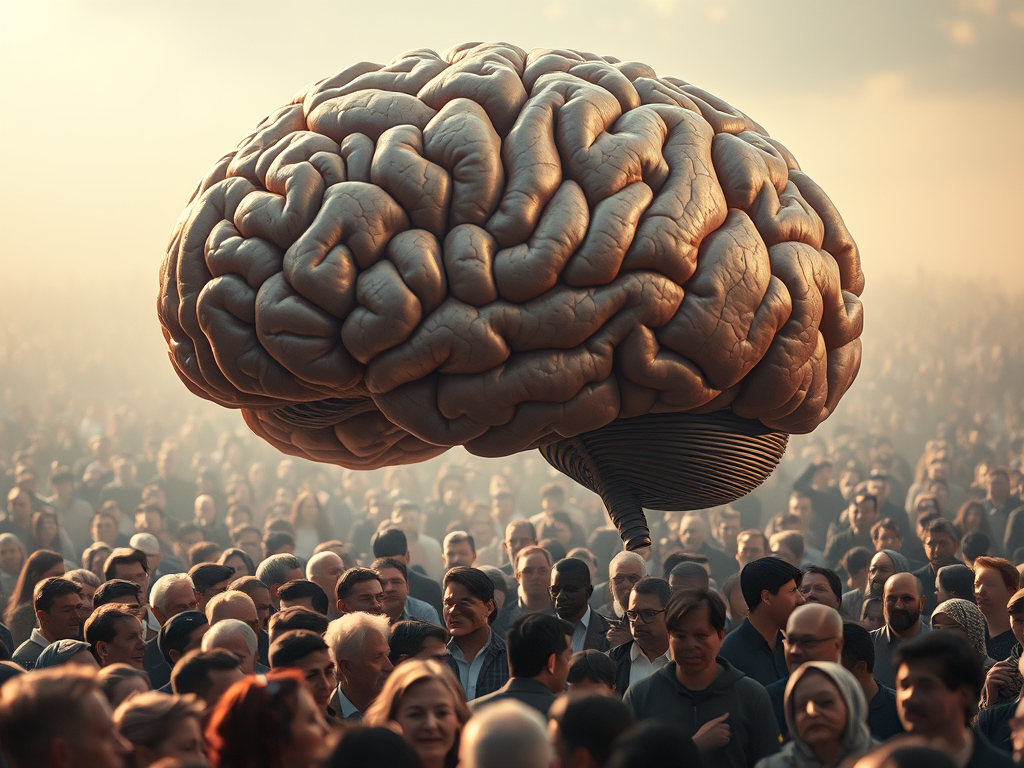
I can just say (sarcastically): Come, Matrix, people are ready for you.






Leave a Reply