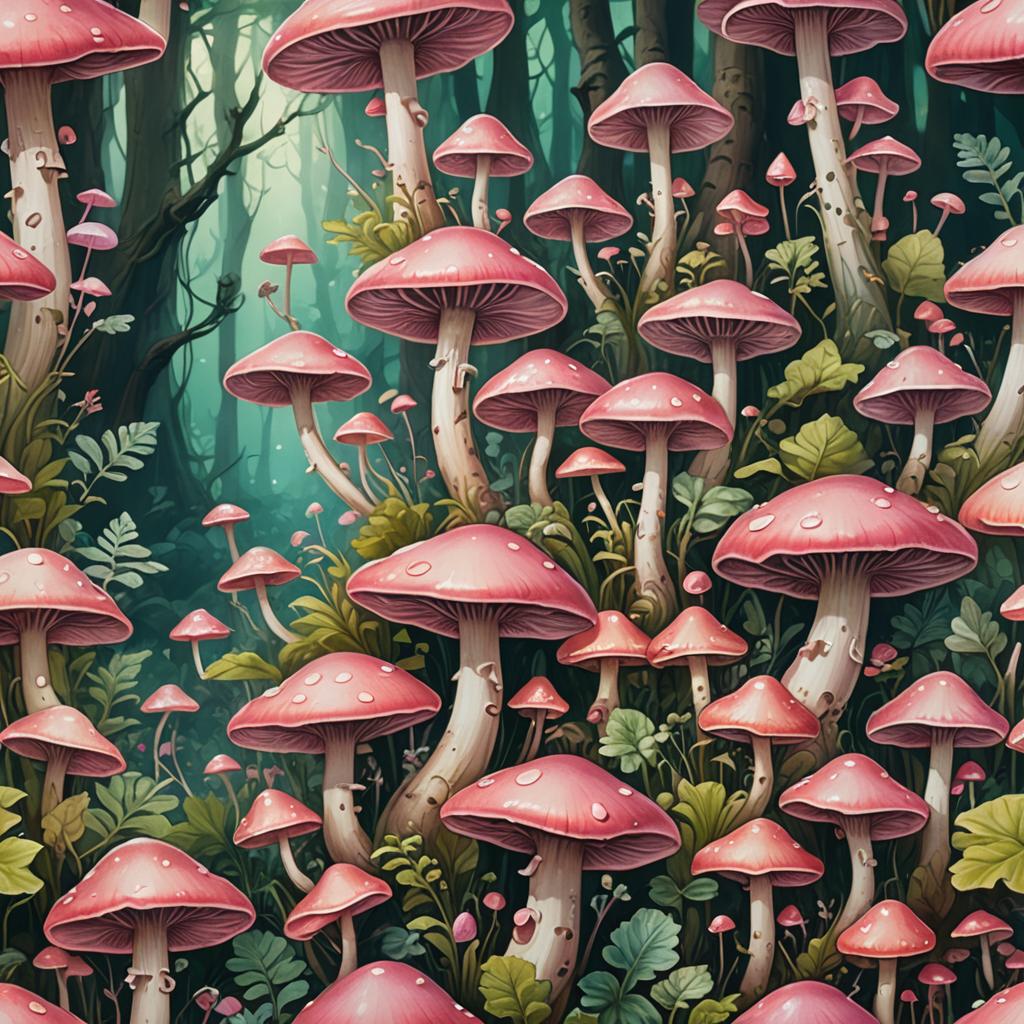
Mushrooms have always held a mysterious place in the human imagination, appearing both in dreams and mythological stories with a range of symbolic meanings. Their sudden growth, peculiar shapes, and association with life cycles make them a fascinating symbol. In both the dream world and mythology, mushrooms often suggest themes of transformation, mystery, and connection to hidden realms.
Messages from the subconscious mind
When mushrooms appear in dreams, they often indicate internal growth or the unfolding of something previously hidden. Their appearance reflects personal transformation, symbolizing new aspects of your character or potential coming to light.
Dreams about mushrooms can point to a spiritual awakening, representing a deeper connection with the unknown or the mystical. Depending on their appearance, mushrooms in dreams can also serve as a warning about deceit or unhealthy elements in your life that need attention.
Mushrooms symbolize growth and transformation in both dreams and mythology. Their sudden appearance after rain reflects moments of personal change or spiritual revelation. The duality of mushrooms as either nourishing or poisonous speaks to the balance between life’s gifts and dangers.
Mushrooms’roles in mythology
Mushrooms have played intriguing roles in mythology across cultures, often embodying themes of transformation, spiritual connection, and the mysteries of life and death. These fungi appear in myths as symbols of renewal, fertility, and as bridges between the physical and spiritual realms. Their sudden, almost magical emergence from the earth makes them natural figures in stories that explore life’s deeper mysteries.
The Siberian shamanic tradition
Among Siberian shamans, the Amanita muscaria mushroom was seen as a powerful tool for spiritual journeys. The vibrant red-and-white mushroom was believed to possess the ability to transport shamans to other worlds. Through consuming the mushroom, shamans entered altered states of consciousness, allowing them to communicate with spirits, heal, and gain wisdom from otherworldly sources. This mushroom became a crucial element in shamanic rituals, symbolizing not just physical transformation, but spiritual transcendence as well.
The Celtic fairy rings
In Celtic mythology, mushrooms appeared in the form of fairy rings—naturally occurring circles of mushrooms. These rings were said to be the places where fairies and other mystical creatures danced during the night. Entering a fairy ring was believed to bring either enchantment or doom, depending on the nature of the encounter with the magical beings inside.
These mushroom circles were seen as portals to otherworldly realms, suggesting the thin veil between the human world and the fairy world. In these myths, mushrooms symbolized both the allure and the danger of interacting with the mystical forces of nature.
The Lingzhi mushroom
The lingzhi mushroom, also known as the “mushroom of immortality,” holds a revered place in Chinese mythology. It grew in the lands of the gods, making it a potent symbol of longevity, spiritual power, and immortality. In Taoist and Buddhist legends, the lingzhi was sought after by emperors and sages as a way to achieve eternal life. The mushroom’s resilience and ability to grow in harsh conditions made it a metaphor for overcoming the limitations of mortality, linking it to the search for eternal wisdom and strength.
The Mesoamerican mushroom gods
Mushrooms also appear in the mythology of Mesoamerican cultures, particularly among the Maya and the Aztecs. The Aztecs referred to psychoactive mushrooms as “teonanácatl,” which means “flesh of the gods.” These mushrooms were used in religious rituals to commune with deities and to achieve visions of the divine. In Mesoamerican myth, mushrooms were a medium through which humans could access divine knowledge and the spiritual world. The ceremonies involving these mushrooms were often intense and sacred, underscoring their importance as conduits to higher consciousness and divine realms.
The Hindu Soma mushroom
In the ancient Indian tradition Soma was a divine mushroom. Soma was also a drink that bestowed immortality and spiritual insight upon those who consumed it. Some scholars suggest that the Soma plant may have been a psychoactive mushroom, though its exact identity remains debated. The mushroom in this context symbolized divine connection, spiritual awakening, and the ability to transcend human limitations.
Norse Berserkers
In Norse mythology, the fierce warriors known as Berserkers consumed hallucinogenic mushrooms before entering battle. These mushrooms, possibly Amanita muscaria, gave the warriors “superhuman” strength and induce a trance-like state, allowing them to fight with a ferocity that seemed otherworldly. This connection between mushrooms and the supernatural powers of the Berserkers underscores the idea of mushrooms as enhancers of strength and vehicles for connecting with primal, divine forces.
Mushrooms and human consciousness
The rich symbolism of mushrooms in both dreams and mythology reveals their profound connection to the cycles of life, personal growth, and the mysterious forces that shape existence. Whether symbolizing transformation, spiritual awakening, or the thin line between life and danger, mushrooms hold a place of deep meaning in human consciousness. Their complexity reflects the multi-layered nature of human experience, inviting reflection on both the visible and invisible aspects of reality.



Leave a Reply