
Consciousness, one of the most profound mysteries of existence, refers to our awareness of ourselves and the surrounding world. It includes thoughts, feelings, sensory experiences, and the deep sense of personal identity. For example, the way you perceive the warmth of sunlight on your skin or the complexity of reflecting on your emotions captures different layers of consciousness. While the term appears straightforward, its essence remains elusive and widely debated.
Different disciplines, different debates
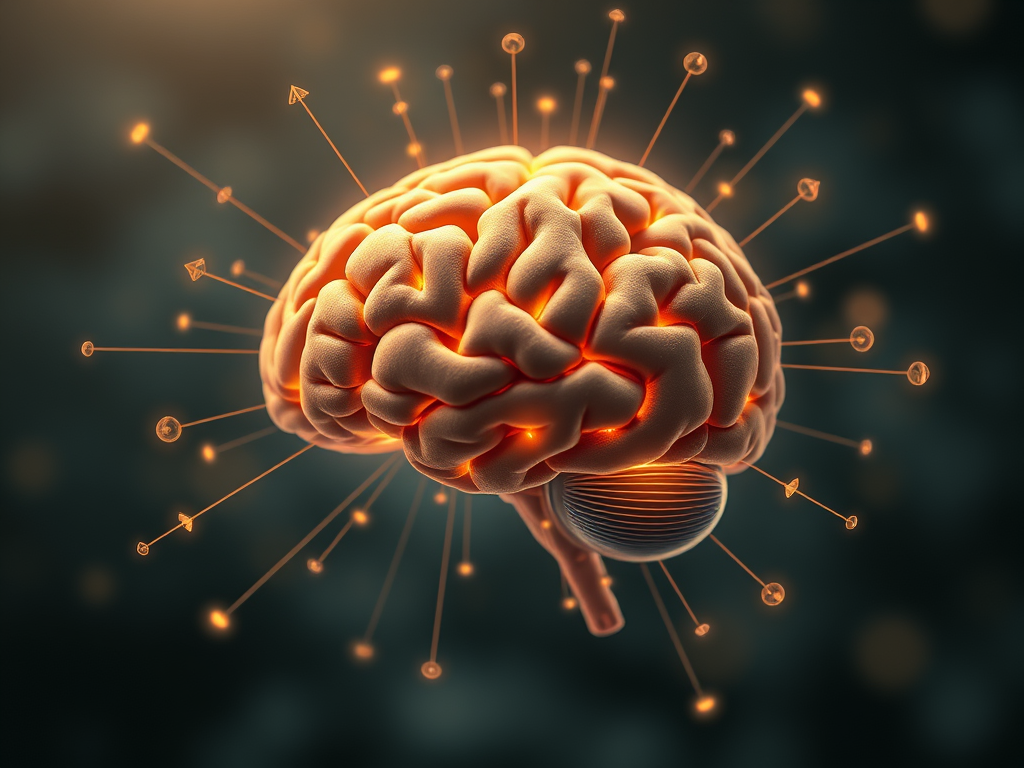
Philosophers, neuroscientists, psychologists, and spiritual thinkers explore consciousness from their unique perspectives. Neuroscientists, for instance, study phenomena like the “default mode network” in the brain, which becomes active during introspective thought.
Materialists argue that consciousness arises entirely from physical brain processes, pointing to research on neural correlates of consciousness such as synchronized brainwave patterns.
Non-materialist perspectives, such as those influenced by panpsychism, view consciousness as a fundamental property of the universe, akin to space and time. Each stance presents compelling arguments yet fails to deliver definitive proof.
Self-awareness complicates the picture
Among humans and certain animals, consciousness includes self-awareness. This reflective ability allows for introspection and an understanding of oneself as distinct from others. Studies on mirror recognition in animals, like dolphins and chimpanzees, suggest they share aspects of this trait. Some suggest this feature drives human innovation and moral considerations, evidenced by our capacity for long-term planning and ethical reasoning. Yet, why evolution favored such a trait remains uncertain.
Varied states challenge simple definitions
Consciousness manifests across diverse states, such as wakefulness, dreaming, meditative absorption, or altered experiences induced by substances like psilocybin. These shifts reveal its fluid nature, challenging any rigid definition. For example, the dissociative states studied in near-death experiences often contrast sharply with the immersive awareness found in focused mindfulness meditation. Waking awareness may differ entirely from the surreal creativity of dreams, each offering glimpses into consciousness’s multifaceted nature.
The lack of consensus about consciousness makes it one of humanity’s most compelling puzzles. Each new perspective contributes fresh insights while generating new questions. For instance, developments in artificial intelligence raise the question of whether machines could ever achieve consciousness. Perhaps its mysterious nature is what makes consciousness not just an object of study, but a journey of discovery.
Why do we need to know about consciousness?
Consciousness forms the foundation of how we perceive and interact with reality. Understanding it allows us to explore the essence of what it means to exist. By gaining deeper insights into consciousness, we uncover ways to enhance self-awareness, refine our experiences, and push the boundaries of human potential.
Consciousness enriches self-knowledge
Awareness of consciousness sharpens our understanding of ourselves. It reveals how thoughts and emotions influence perceptions and actions. With this knowledge, we navigate life more purposefully and mitigate mental traps, such as bias or impulsive decision-making. Cultivating self-awareness through conscious reflection creates space for growth and resilience, helping individuals respond thoughtfully to challenges.
It bridges the mind-body connection
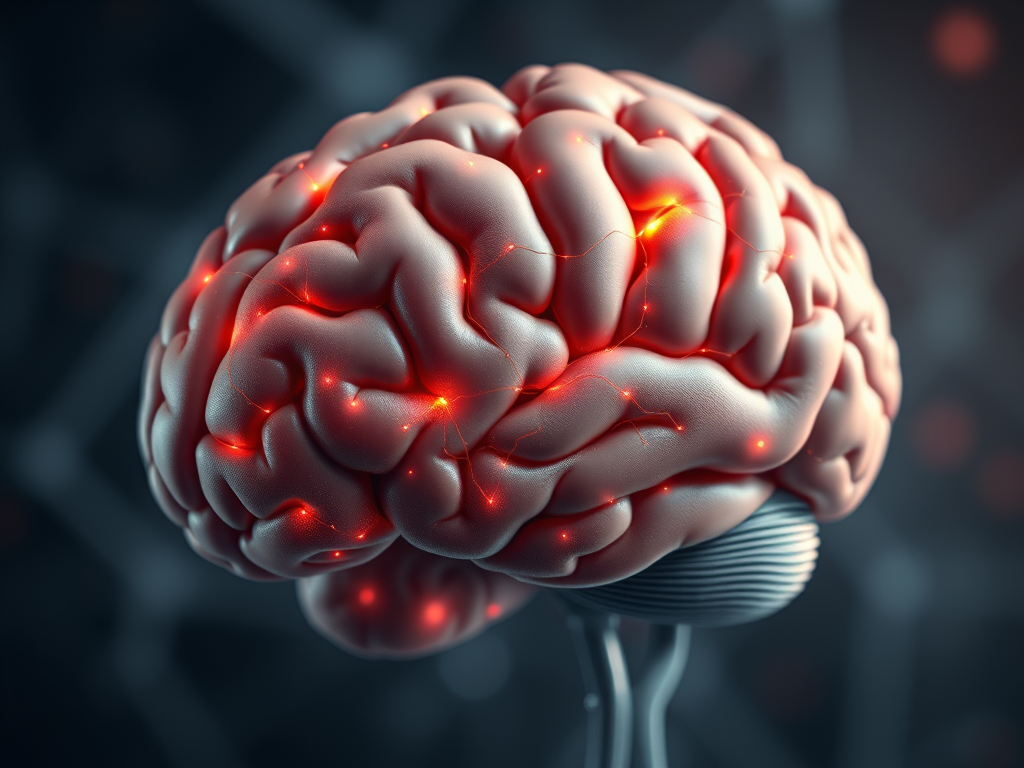
Studying consciousness provides clarity on the relationship between mental states and physical processes. Neuroscience shows how the brain’s activity correlates with moods and behaviors, offering insights into conditions like anxiety and depression. This understanding enhances mental health treatments, encouraging holistic approaches that integrate mindfulness, physical wellness, and emotional balance.
Consciousness impacts creativity and innovation
A deeper grasp of consciousness inspires creative breakthroughs. States like daydreaming or flow often reveal profound ideas and problem-solving abilities. Artists, scientists, and innovators frequently credit altered states of awareness for sparking genius. Understanding how to access and sustain these states offers tools to expand human ingenuity.
It addresses fundamental philosophical questions
The study of consciousness tackles profound questions about existence and identity. Who are we beyond our bodies? Does awareness continue after death? Philosophers and spiritual traditions often intertwine these inquiries with practical insights, grounding abstract discussions in values and purpose. Investigating consciousness doesn’t only seek answers; it shapes how we live and relate to the universe.
It aids ethical and societal progress
Recognizing consciousness in others fosters empathy and cooperation. This awareness broadens moral consideration, influencing human rights and animal welfare discussions. If artificial intelligence ever becomes conscious, understanding awareness will guide the ethical frameworks surrounding its rights and responsibilities. By exploring consciousness, societies evolve to consider perspectives beyond their immediate concerns.
The mystery invites endless discovery
Consciousness remains one of the least understood aspects of existence, making it a rich field for exploration. Unraveling its mysteries propels science, philosophy, and art forward, encouraging questions that inspire ongoing curiosity. The quest to understand awareness reminds us that the journey itself holds as much meaning as the discoveries.



Leave a Reply