
Robert Jay Lifton introduced the concept of the protean personality to describe a self that continuously transforms in response to modern challenges. He named it after Proteus, the Greek sea god known for his ability to shift forms. Lifton saw this psychological flexibility as a direct consequence of an increasingly complex world. Unlike traditional identities shaped by stable cultural narratives, the protean self thrives in constant reinvention. This adaptation is not superficial but rather a deep psychological mechanism for navigating an era of uncertainty.
The shifting nature of identity
The protean personality does not conform to a singular identity but instead evolves with experience. Lifton observed that rapid social and technological changes fragment the way people see themselves. Exposure to conflicting values, diverse ideologies, and shifting expectations prevents a rigid sense of self from forming. Instead, the protean individual reshapes their beliefs, emotions, and behaviors to align with changing circumstances. This transformation does not stem from indecision but from an openness to reinterpreting meaning in light of new information.
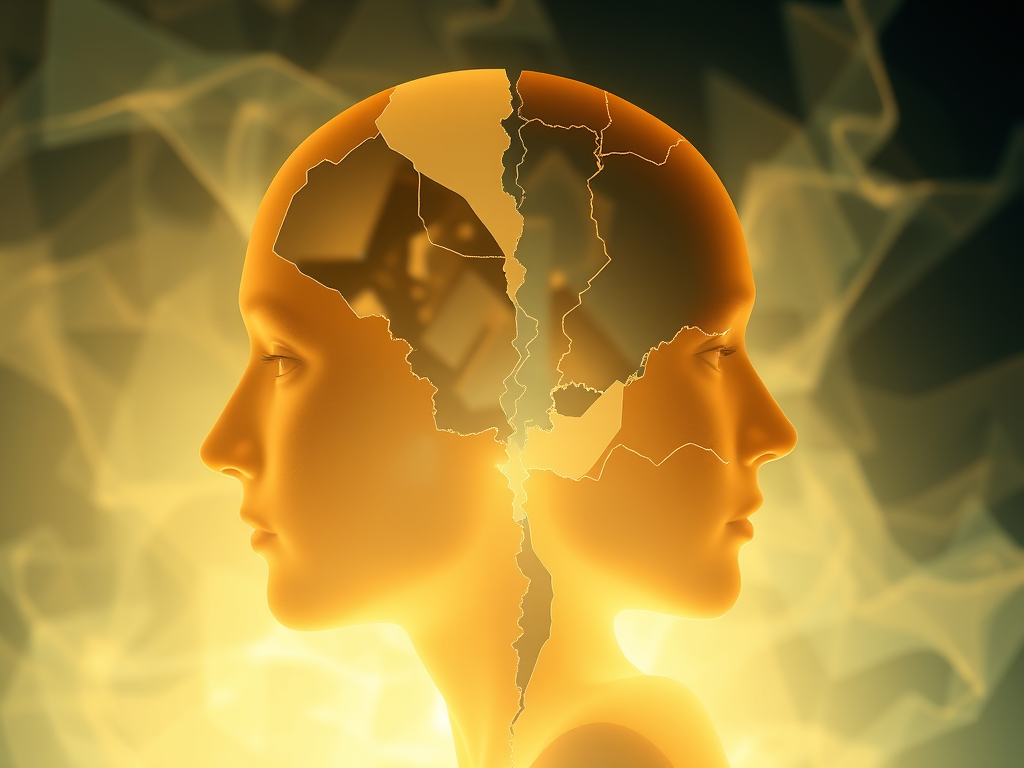
This adaptability brings both resilience and inner conflict. A protean individual can integrate multiple perspectives, allowing for creative thinking and emotional agility. They do not feel trapped by outdated views or constrained by past versions of themselves.
However, this fluidity can also create instability. A person in a state of perpetual change risks losing a sense of personal continuity, making it difficult to establish deep commitments. The challenge lies in maintaining coherence while embracing transformation.
Cultural influences
Lifton’s ideas resonate even more in today’s digital age. Social media amplifies the tendency to shift identities, exposing people to new personas, roles, and belief systems at an unprecedented pace. The protean personality flourishes in this environment, absorbing diverse influences and reconstructing itself accordingly.
A versatile ability to adapt is a survival strategy in a world that no longer rewards rigid self-concepts. Yet, the question remains: does the protean self reflect genuine growth, or does it merely mirror external pressures?
The search for meaning
Despite the lack of certain degrees of stability in the protean personality, Lifton did not view it as directionless. He believed that people could embrace transformation while maintaining an inner core of meaning.
Such a complex versatility requires self-awareness—an ability to engage with change without losing depth. Rather than passively shifting identities, the protean individual can cultivate a conscious relationship with their evolution. This implies that by integrating experiences into a broader sense of self, they avoid fragmentation and develop a meaningful psychological trajectory within their consciousness.
The paradox of modern identity
The protean personality captures a fundamental tension of contemporary life. The freedom to redefine oneself offers endless possibilities, yet too much fluidity can erode stability.
Lifton saw this paradox as central to the modern condition. People must navigate between adaptation and coherence, ensuring that their transformations contribute to personal development rather than disconnection. This balance allows them to remain open to change without losing sight of who they are becoming.





Leave a Reply