
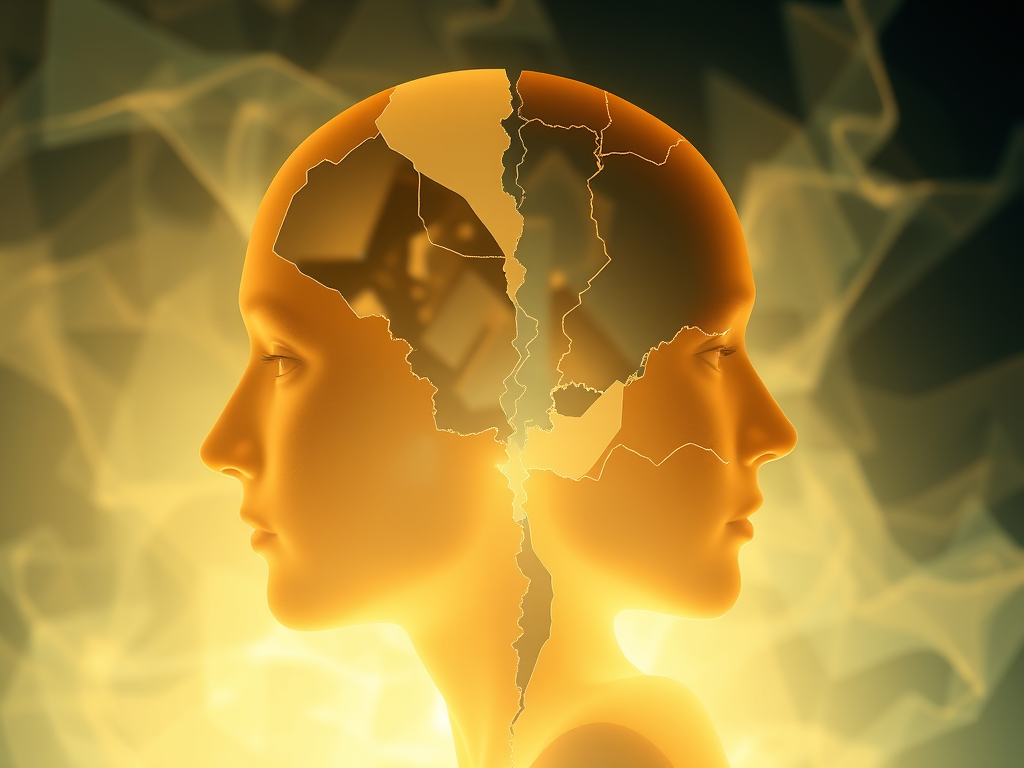
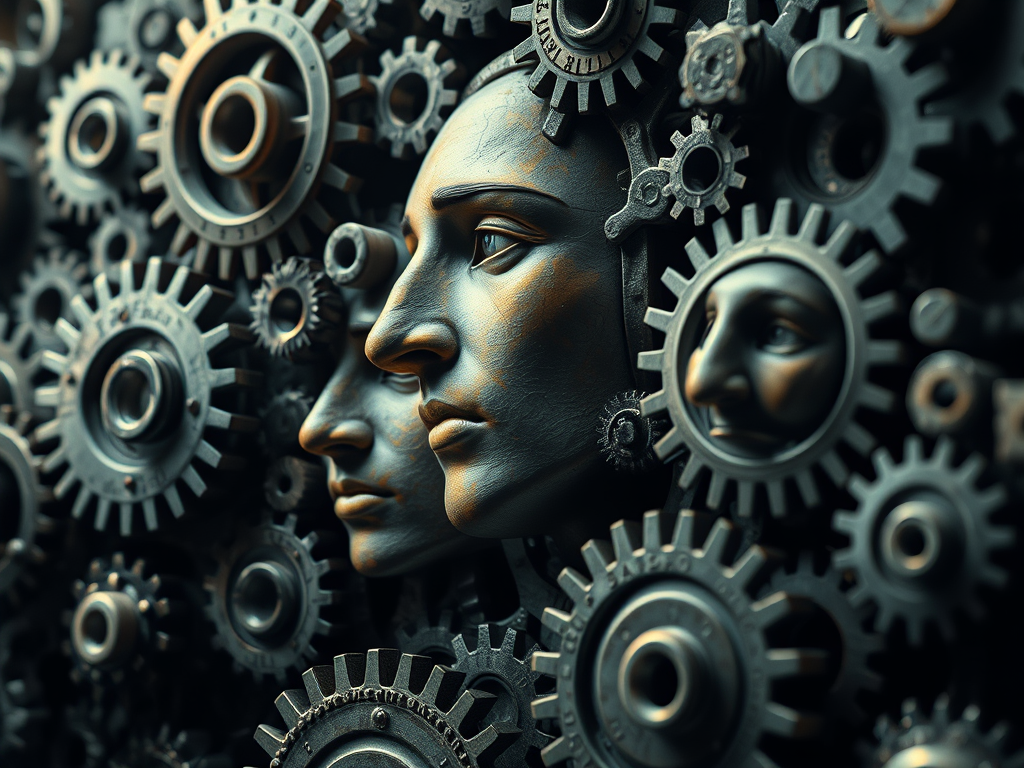
In the history of art, few conflicts are as deeply rooted in the struggle for meaning as the tension between Symbolism and Expressionism. These two movements, though often intertwined in their defiance of the conventional, represent opposing forces in how we interpret our inner worlds. They do not merely depict life as it is; they seek to extract a deeper truth from the murkiness of human emotion, thought, and experience. But where one seeks to veil the complexity with symbols, the other tears through the veil, exposing raw, untamed emotion.
Symbolism’s dreamlike world
Symbolism arrived in the late 19th century, born from a world in turmoil. In an age of rapid industrialization and urbanization, the Symbolists retreated inward, away from the mechanical noise of the modern world. They sought meaning in mystery, believing that reality could not be understood through direct observation. Instead, they painted not what was visible, but what was hidden beneath the surface—the inner life, dreams, and spiritual depths. Symbols, from mythological references to enigmatic imagery, served as vehicles to transcend mundane experience. A flower might symbolize fragility, or a shadow could evoke the lurking presence of death.
Yet, Symbolism was not just a rejection of the external world. It was a journey into the self, an exploration of the unconscious. Artists like Gustave Moreau and Odilon Redon embraced this, weaving stories that blurred the lines between the real and the imagined. Their works were not mere reflections of nature but veils that allowed us to peer into a realm beyond. In this, there was a quiet yearning, a pursuit of beauty and truth through oblique means. The Symbolist artist did not shout at the viewer; instead, they whispered, inviting us to listen.
Expressionism’s raw confrontation
Expressionism, by contrast, responded to the same world but with an entirely different lens. If Symbolism sought to obscure, Expressionism demanded clarity, albeit a harsh one. The world was no longer a dream; it was a battlefield of emotion. Pain, alienation, fear—these became the central themes of Expressionism. Artists like Edvard Munch, Ernst Ludwig Kirchner, and Wassily Kandinsky pushed the boundaries of form and color, abandoning traditional perspective and proportion to capture the intensity of subjective experience. Their works reflected an inner turmoil, one that did not flinch or retreat but instead confronted us with its chaotic energy.
Where Symbolism cloaked itself in the elegance of the unknowable, Expressionism laid bare the tumult of existence. The color red in a painting was not just vibrant; it was blood, it was rage. The distorted forms were not simply artistic choices; they were violent representations of the human psyche. In Expressionism, the world of symbols faded away, replaced by a raw, visceral connection to our deepest fears and desires.
The philosophical divide
What separates these two movements is not just technique but the very way they engage with the world. Symbolism suggests that there is a truth hidden in the shadows, reachable through careful contemplation and a sensitivity to the intangible. Expressionism, on the other hand, argues that truth is not something hidden, but something that explodes from the soul in all its fury and pain. In Symbolism, there is a faith in mystery; in Expressionism, there is a trust in raw emotion as the only true path to understanding.
Each of these approaches speaks to a different kind of existential understanding. Symbolism suggests that meaning is subtle and requires a quiet attunement to the symbols that surround us, while Expressionism demands that we face the brutal realities of our own inner turmoil. The tension between these two approaches mirrors our own struggle with the unknown depths of the self: we vacillate between a desire for peace and a need to confront our shadows, often unsure which path will lead us to truth.
The legacy of both movements
In the end, neither Symbolism nor Expressionism offers a clear solution to the questions they raise. The Symbolists, with their veiled truths, remind us of the beauty in ambiguity, while the Expressionists, with their violent eruptions, force us to confront the rawness of existence. Both, in their own ways, ask us to look beyond the surface—whether that means peering into the hidden world of symbols or feeling the pulse of emotion in all its unrefined energy.
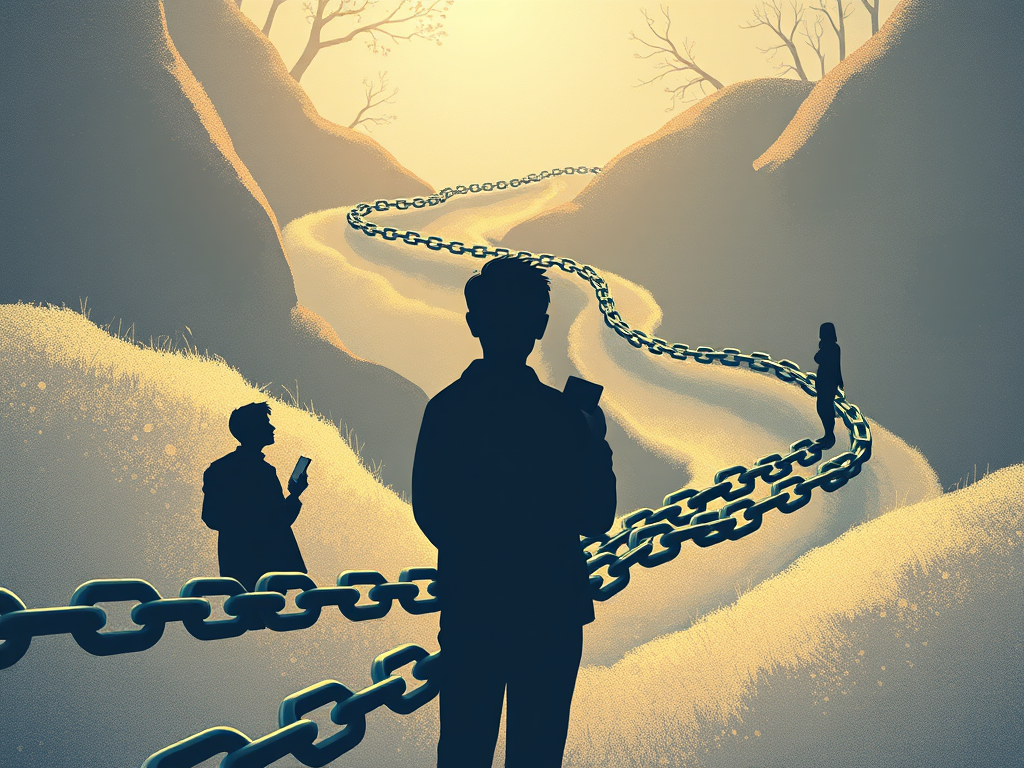
Perhaps, in our own lives, we find ourselves caught between these two movements. We might seek solace in the mysteries of our inner worlds, but we also feel the pull to unleash the storm within. The true complexity of the human condition lies not in the opposition of these two forces, but in our capacity to navigate between them, embracing both the quiet beauty of Symbolism and the fierce truth of Expressionism. The space between them is where our deepest truths often lie.




Leave a Reply