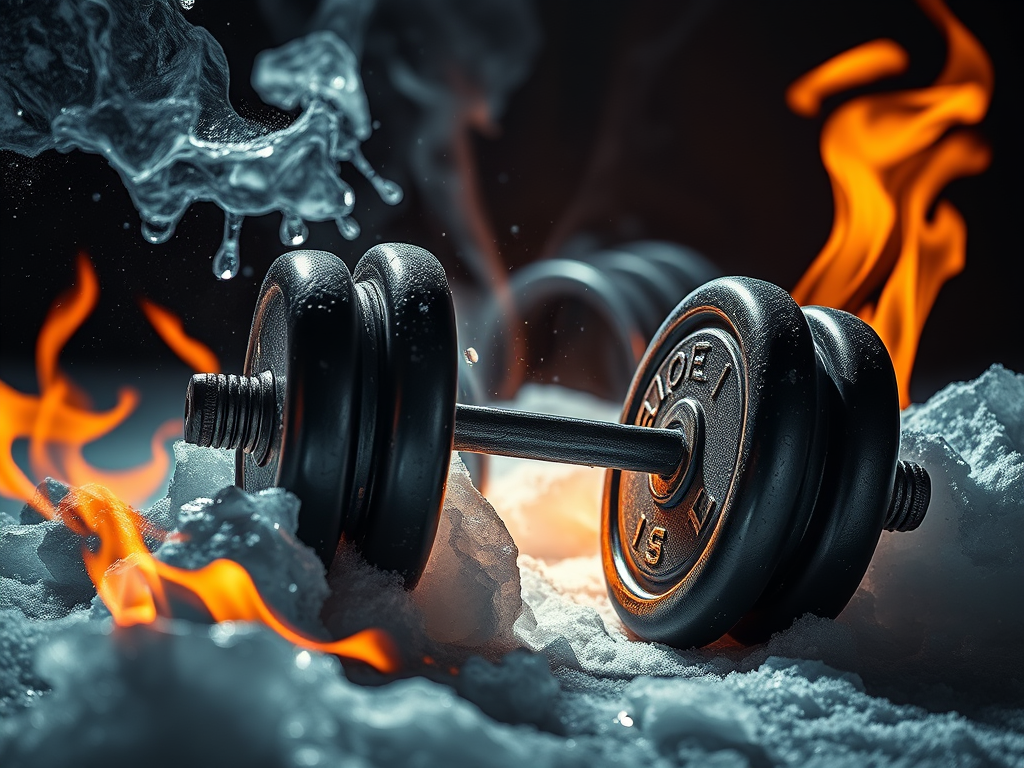
We often think of stress as something to be avoided, a corrosive force that wears us down. But not all stress is the same. In fact, some forms of stress do the exact opposite of what we expect — they improve health, sharpen the mind, and fortify the body against future challenges. This is the core idea behind hormetic stress, a concept in biology that explains how small, manageable doses of adversity trigger beneficial adaptations.
The term hormesis describes a dose-dependent response to a stressor or toxin. When the exposure is high or chronic, the outcome is negative, sometimes even fatal. But when the exposure is low and brief, the same substance or condition can have the opposite effect — stimulating resilience, repair mechanisms, and longevity pathways. The body does not passively endure these stressors. It responds dynamically, activating repair systems, upregulating protective proteins, and recalibrating its internal environment to a state of greater strength.
Examples of hormetic stress
One of the most familiar examples of hormetic stress is physical exercise. Lifting weights damages muscle fibers; running induces oxidative stress and inflammation. But the body doesn’t simply recover from these insults — it overcompensates. Muscles grow back stronger, mitochondria multiply, and anti-inflammatory systems ramp up. What appears as damage on the surface is actually the key that unlocks deeper health benefits. The process only works, however, if the stress is balanced with adequate rest and recovery.
Fasting is another case where brief, controlled deprivation results in a net gain. Going without food for a limited period activates cellular pathways that would otherwise stay dormant — such as autophagy, the process by which cells clean out damaged components. This self-cleaning mechanism, which slows with age, is reignited through caloric restriction or time-restricted eating. The mild stress of hunger pushes the system into a more efficient, adaptive state.
Even temperature extremes can serve as hormetic agents. Exposure to cold — through cold showers, ice baths, or winter swims — leads to increased production of norepinephrine, which can enhance focus, mood, and metabolism. The body also improves its thermoregulation, and brown fat activity increases, helping with energy balance. Heat exposure, such as sauna use, induces the release of heat shock proteins. These proteins repair misfolded proteins and protect against the types of cellular damage that accumulate with age. Both types of thermal stress, if used judiciously, stimulate neuroprotective and anti-inflammatory effects.
Hormetic stress and diet
Spicy foods also fall under the hormetic umbrella. Capsaicin, the compound responsible for the burn in chili peppers, activates receptors in the body that normally respond to physical injury. This produces a sensation of heat and pain, but it also stimulates the production of endorphins and increases levels of anandamide, an endogenous cannabinoid involved in pain relief and mood elevation. What begins as discomfort ends in euphoria — a reward for enduring the stress.
Implications
The unifying theme in all these examples is the body’s ability to become stronger in response to stress, but only when the stressor is temporary and followed by recovery. This is not just a physical process. Psychological resilience can also be strengthened through exposure to uncertainty, discomfort, and emotional challenge — again, in controlled doses. The modern tendency to avoid all forms of discomfort undermines this process. By insulating ourselves from friction, we deny the nervous system and the body the chance to adapt, to grow, to reforge itself in the fire of mild adversity.







Leave a Reply