
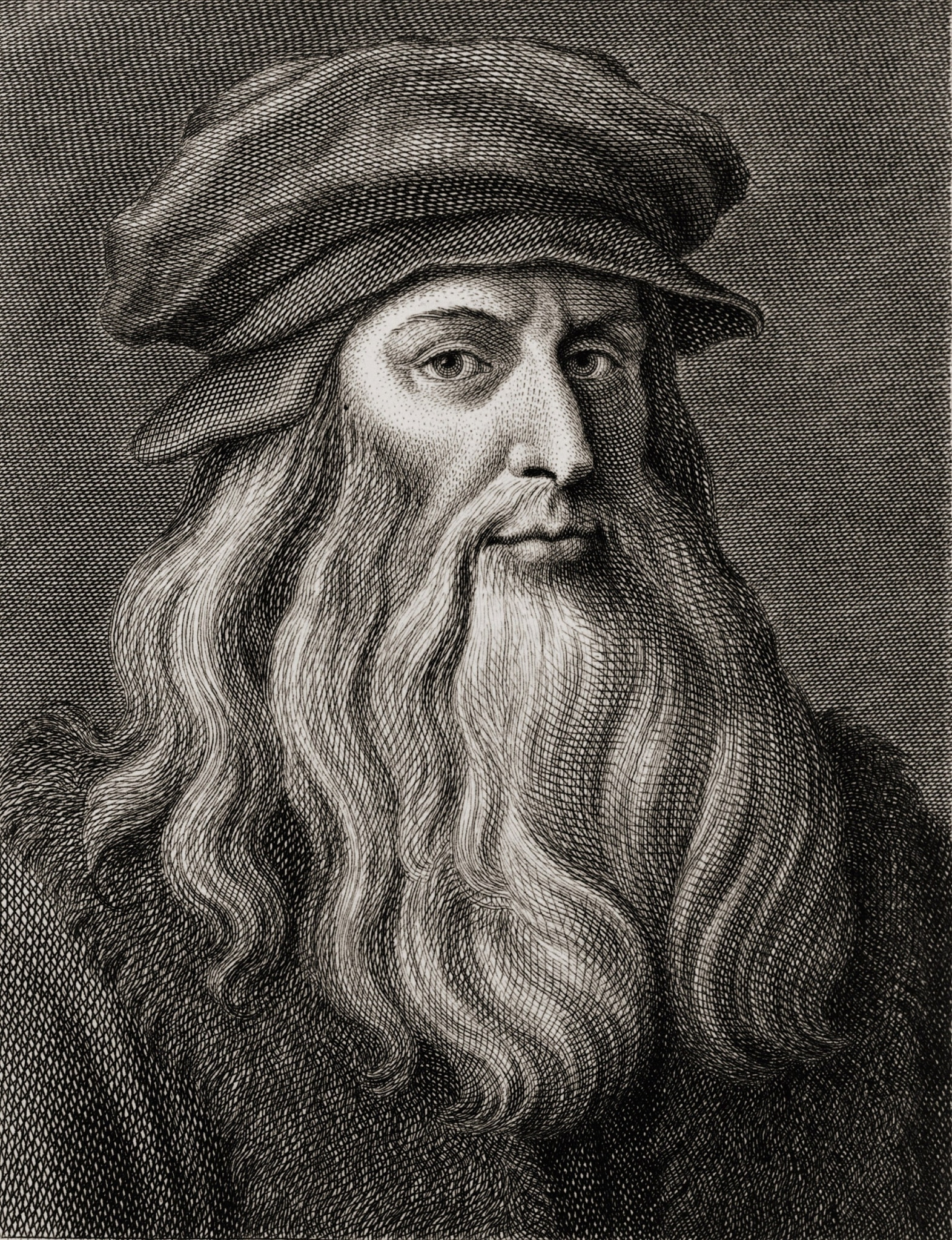
Rumi, the 13th-century Persian poet and mystic, eloquently captured the essence of love in his writings.
One of Rumi’s most renowned teachings on love is: “Your task is not to seek for love, but merely to seek and find all the barriers within yourself that you have built against it.”
Rumi’s poetry encapsulates profound insights into the nature of love and the human condition. His words beautifully convey the idea that love is not something external, but rather an inherent of us obscured by various internal barriers.
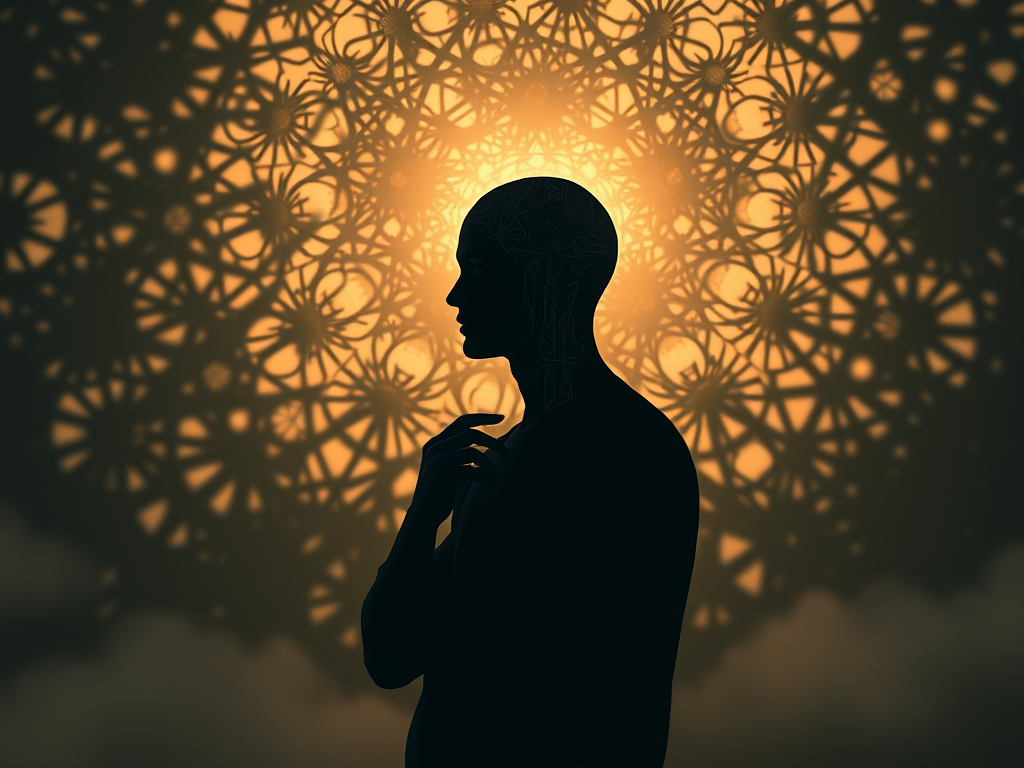
These barriers may take the form of fear, egotism, past traumas, societal conditioning, or any other limiting beliefs and emotions that we hold onto.
Fear can be like a heavy blanket that suffocates our ability to love freely. It’s that nagging voice in our heads that whispers doubt and keeps us from taking risks.
Ego, on the other hand, is like a big, inflated balloon that blocks our view of others. It tells us: It’s all about me, my needs, my wants, my ego. When we’re too focused on ourselves, we struggle to truly connect with others.
Past traumas leave scars that can make us hesitant to trust or let people in. Whether it’s a breakup, betrayal, or loss, these experiences shape how we approach love. Often they cause us to put up walls to protect ourselves from getting hurt again.
And then there’s societal conditioning, which is like a set of invisible rules that dictate what is love. It tells us who we should love, how we should love, and what love should look like. But these expectations can be limiting, preventing us from authentically expressing our feelings.
We need to dismantle these barriers. I’m talking about doing the hard work of facing our fears, checking our egos, healing our wounds, and questioning the societal norms that hold us back. It’s not easy, and it definitely takes time and effort. However, the payoff is worth it. Because when we get rid of the emotional garbage, we can experience love in its purest form.
Rumi’s message is timeless and universal, touching the hearts of people across cultures and generations. It speaks to the fundamental human longing for connection and intimacy, and the transformative power of love to heal and unite us.




Leave a Reply