
Cubism emerged in the early 20th century as a radical new approach to visual art, challenging traditional perspectives and techniques. Imagine stepping into a world where objects are deconstructed and reassembled into abstracted forms. This avant-garde movement, spearheaded by the ingenious Pablo Picasso and Georges Braque, revolutionized how we perceive and represent reality.
In the early 1900s, artists were grappling with the limits of realistic representation, seeking fresh ways to capture the essence of their subjects. Picasso, already a celebrated artist, found inspiration in the primal and fragmented aesthetics of African art. Around the same time, Braque was exploring similar ideas independently. Their paths converged in Paris, the throbbing heart of the art world, where they began a close collaboration that would birth Cubism.
Their paintings defied conventional linear perspective, which had dominated Western art since the Renaissance. Instead of depicting subjects from a single viewpoint, they fragmented them into a series of geometric shapes, presenting multiple angles simultaneously. This approach invited viewers to engage more actively, piecing together the disjointed forms to grasp the whole picture.
Cubism evolved through distinct phases.
The early phase, known as Analytical Cubism, focused on deconstructing objects into their basic geometric components. Paintings from this period are often muted in color, emphasizing form over palette. Picasso’s “Les Demoiselles d’Avignon” and Braque’s “Violin and Candlestick” exemplify this analytical approach, offering a complex, almost puzzle-like experience.
As the movement matured, it transitioned into Synthetic Cubism. Here, the emphasis shifted from deconstruction to reconstruction. Artists began incorporating different materials into their works, such as newspaper clippings and fabric, creating collage-like compositions. This phase embraced brighter colors and simpler shapes, as seen in Picasso’s “Still Life with Chair Caning,” which blends traditional painting with everyday objects, further blurring the lines between art and life.
Cubism’s influence extended beyond painting, permeating sculpture, literature, and even music. It inspired a broader artistic movement that questioned and expanded the boundaries of artistic expression. Artists like Juan Gris and Fernand Léger, influenced by Picasso and Braque, contributed to the movement’s evolution, each adding their unique voice to the Cubist dialogue.
How can we free our mind with cubist principles?
Cubism, with its innovative approach to viewing and representing reality, offers valuable lessons that can be applied to our daily lives. By embracing its principles, we can foster creativity, enhance problem-solving, and deepen our understanding of the world around us.
One way to apply Cubist principles is by shifting our perspective. Just as Cubist artists depicted their subjects from multiple angles simultaneously, we can strive to see situations from various viewpoints.
For instance, in personal relationships, shifting our perspective to see things from another person’s viewpoint can significantly enhance communication and empathy.
When we encounter disagreements with friends or family, it’s easy to dismiss other perspectives. However, by taking a step back and trying to understand their experiences and emotions, we can bridge gaps and find common ground. This practice fosters deeper connections and more meaningful interactions.
Deconstruction and reconstruction of reality.
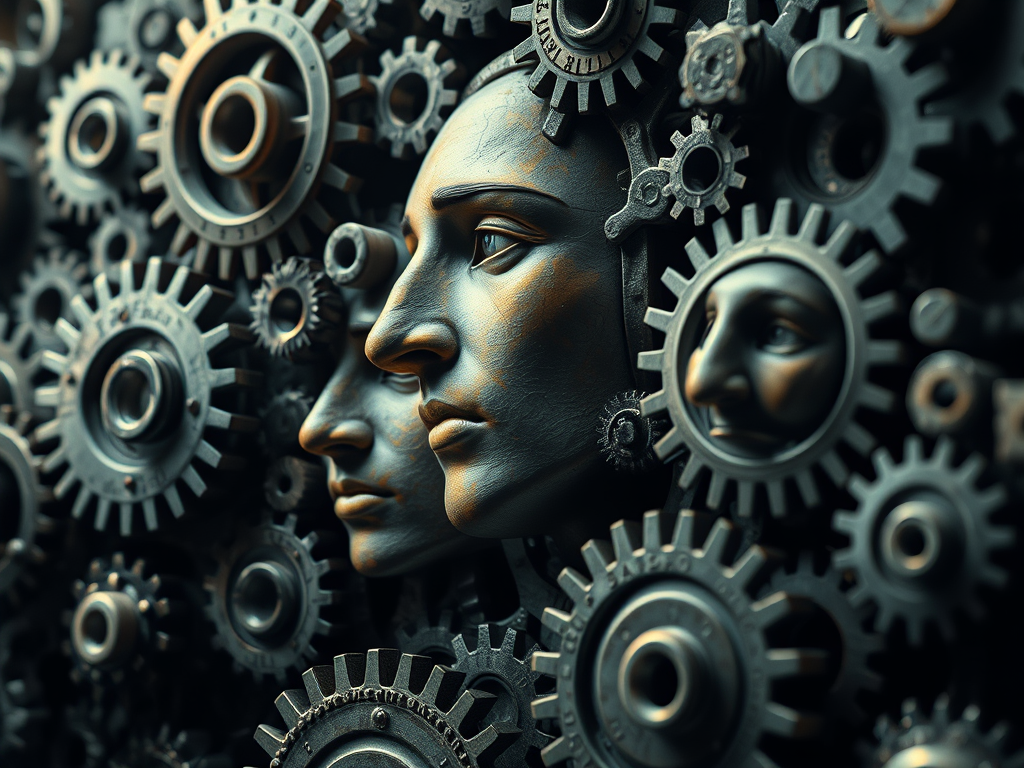
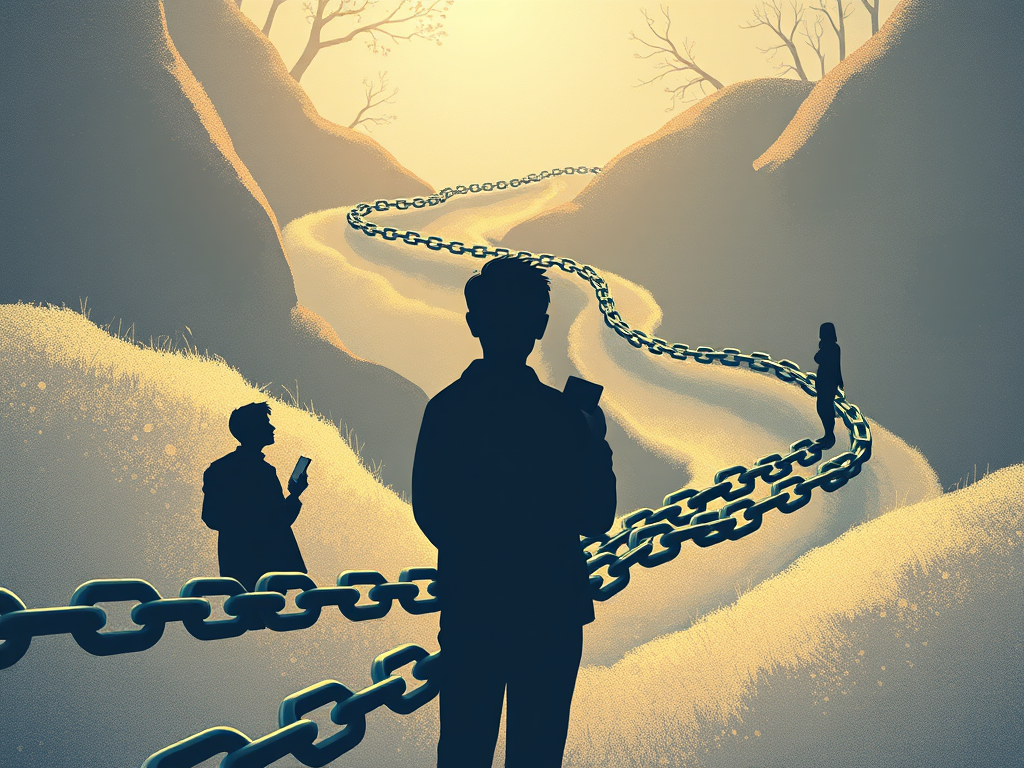
Another principle of Cubism is the deconstruction and reconstruction of reality. This principle encourages us to realize that our perceptions are often biased and shaped by social conditioning. Cubism reminds us to break down these preconceived notions and reconstruct our understanding of the world with fresh, unconditioned eyes.
Deconstruction, in practice, involves critically examining the discrepancies between societal messages and the actual state of affairs. It requires a keen eye for identifying the origins of inequalities and biases that permeate our understanding. By scrutinizing the information we receive and reflecting deeply on our own identities, we can achieve true deconstruction.
One of the best ways to deconstruct is to recognize the hidden agendas beyond each narrative people tell us. This critical analysis helps us see beyond the surface and recognize the deeper social and political dynamics at play.
Self reflection and deconstruction
To aid the process of deconstruction we need to reflect on our own beliefs and behaviors. From the cubist perspective this implies challenging what we believe about ourselves. Are we truly the people we think we are, or influenced by societal expectations and conditioning? This reflection requires honesty and courage.
Also, we need to ask ourselves tough questions about our biases and prejudices. Are we treating people fairly, or influenced by stereotypes? Are we pursuing goals that genuinely matter to us, or are we conforming to societal expectations?
To aid in this reflection, we can engage with diverse perspectives and experiences. By stepping outside our comfort zones and interacting with people from different backgrounds, we broaden our understanding and challenge our assumptions.
Thinking outside the box
Cubism also encourages us to embrace abstraction and think outside the box. Instead of sticking to conventional methods and predictable patterns, we can experiment with new approaches.
This implies embracing curiosity by asking “why” and “what if” questions to explore different angles and possibilities beyond the obvious. Also, we can diversify your experiences and perspectives by engaging with people from various backgrounds and experimenting with new activities, which can spark fresh ideas and insights.
Life is rarely straightforward, and embracing the messiness of it can lead to a deeper understanding and acceptance of our experiences. By recognizing that multiple truths and realities can coexist, we become more open-minded and resilient. This mindset can free our mind and help us navigate the uncertainties that we often encounter.





Leave a Reply