
Mythology has always been a mirror reflecting the depths of the human psyche, revealing the fears, hopes, and values that shape civilizations. Within these mythological narratives, figures like Echidna, the half-woman, half-serpent “Mother of Monsters” from Greek mythology, serve as potent symbols of the irrational forces that lurk within us all.
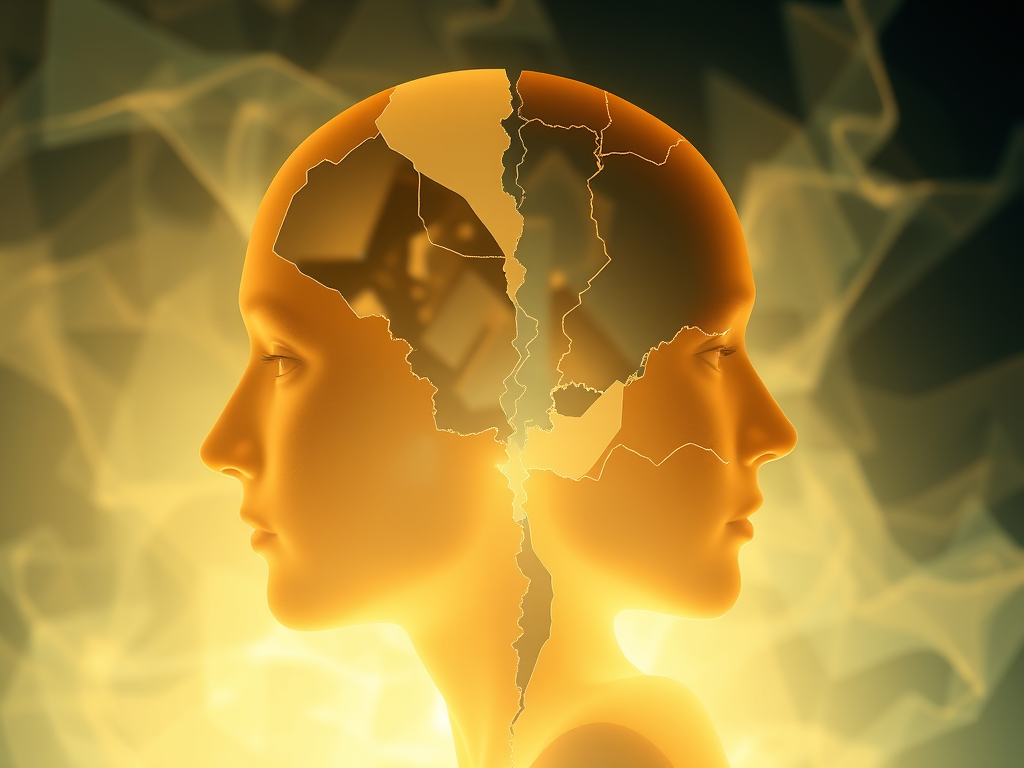
Echidna herself, with her dual nature—half beautiful woman, half deadly serpent—embodies the duality of human nature. She symbolizes the tension between the rational and the irrational, the ordered and the chaotic.
Her monstrous offspring, as depicted in Greek mythology, serve as potent symbols of the darker facets of the human psyche—manifestations of the fears and primal instincts that lurk beneath the surface when rationality wanes. Each creature born from her union with Typhon represents the chaos and unpredictability inherent in human existence.
The Hydra’s regenerative heads symbolize the relentless nature of our insecurities, which multiply despite our efforts to quell them.
The Chimera, with its amalgamation of animal forms, represents the fragmented and conflicting aspects of our identities.
Cerberus, the guardian of the underworld, embodies our deepest fears of mortality and the unknown.
These monstrous offspring remind us of the consequences of succumbing to our irrational impulses. Through their mythological tales, we are urged to confront and overcome these inner shadows.
The Sleep of Reason Produces Monsters
Francisco Goya’s “The Sleep of Reason Produces Monsters” echoes the same themes of irrationality found in the myth of Echidna. In this etching, Goya portrays a man asleep at his desk, surrounded by ominous creatures emerging from the darkness. The inscription below the image reads, “The sleep of reason produces monsters,” succinctly capturing the essence of the work.
Goya’s etching serves as a powerful allegory. When we neglect reason, the monsters of irrationality and superstition infest our psyche. The monsters that Goya depicts can be seen as the modern equivalents of Echidna’s offspring—representations of the internal and external chaos that arise when we become unreasonable.
Undoubtedly, the balance between reason and irrationality is a delicate one. Just as Echidna’s monstrous children wreak havoc, irrationality —ignorance, fear, and superstition—can disrupt our inner world.





Leave a Reply