
Pentheus, a figure from Greek mythology, is best known as the ill-fated king of Thebes who meets a tragic end in Euripides’ play “The Bacchae.” His story is a potent blend of divine vengeance, human hubris, and the tension between order and chaos. The drama serves as a profound exploration of the conflict between rationality and irrationality, civilization and primal instinct from a Nietzschean perspective.
Who was Pentheus?
Pentheus is the son of Agave and Echion, one of the five Spartoi (sown men) who sprang from the dragon’s teeth sown by Cadmus, the founder of Thebes. Agave is the daughter of Cadmus, making Pentheus his grandson and heir to the throne of Thebes.
The narrative unfolds as the god Dionysus returns to Thebes to establish his cult and prove his divinity, having been born from Zeus and Semele, Pentheus’ aunt. Pentheus, embodying rationalism and order, rejects the new cult and its ecstatic rites. He considers them a threat to social stability and his authority.
Dionysus, appearing in disguise, lures Pentheus into a trap by playing on his curiosity and hidden desires. The god convinces the king to disguise himself as a woman to spy on the Bacchae, the frenzied female followers of Dionysus.
Pentheus, in his attempt to assert control and maintain order, is discovered by the Bacchae. In a state of divine madness induced by Dionysus, they mistake him for a wild beast. In a horrific frenzy, they tear him apart limb from limb.
The Apollonian and Dionysian Dichotomy
Friedrich Nietzsche, in his seminal work “The Birth of Tragedy” (1872), introduced the concepts of the Apollonian and Dionysian dichotomy to explore the dual nature of art and human experience. The myth of Pentheus provides a striking illustration of this dichotomy and is likely to have influenced Nietzsche’s formulation.
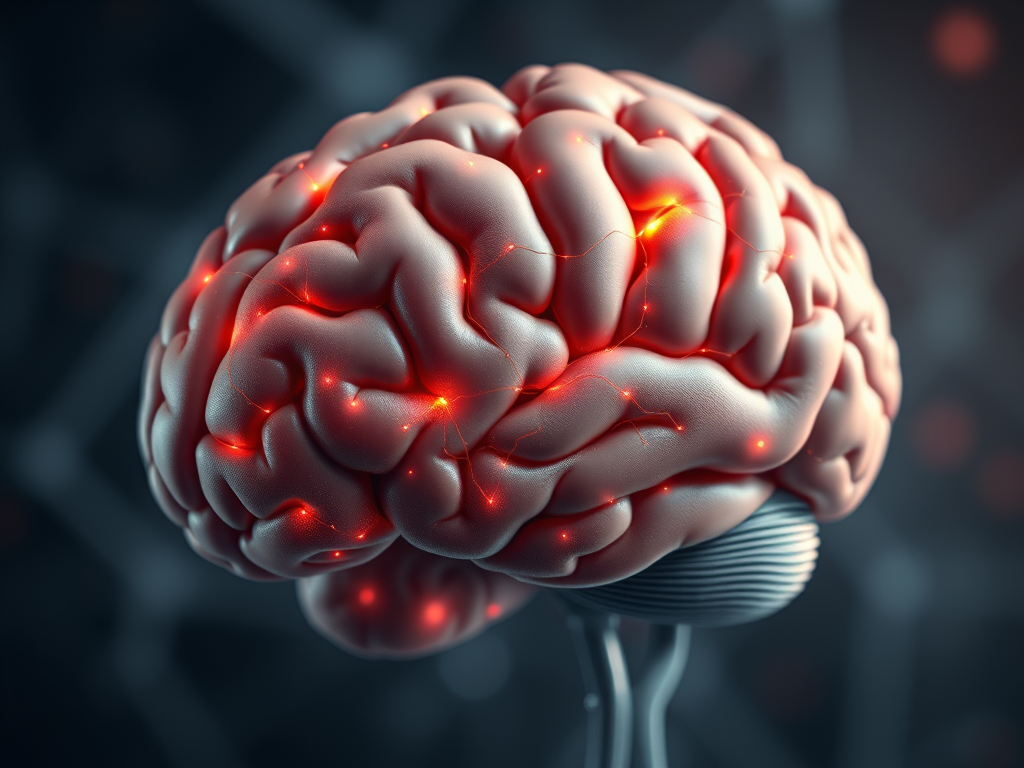
Nietzsche’s Apollonian represents order, rationality, and the structured aspects of existence, derived from the Greek god Apollo. The Dionysian, on the other hand, symbolizes chaos, emotion, and the primal aspects of life, associated with the god Dionysus. Nietzsche argued that Greek tragedy emerged from the interplay of these two forces, creating a synthesis that mirrored psychological complexities.
Pentheus as the symbol of Apollonian
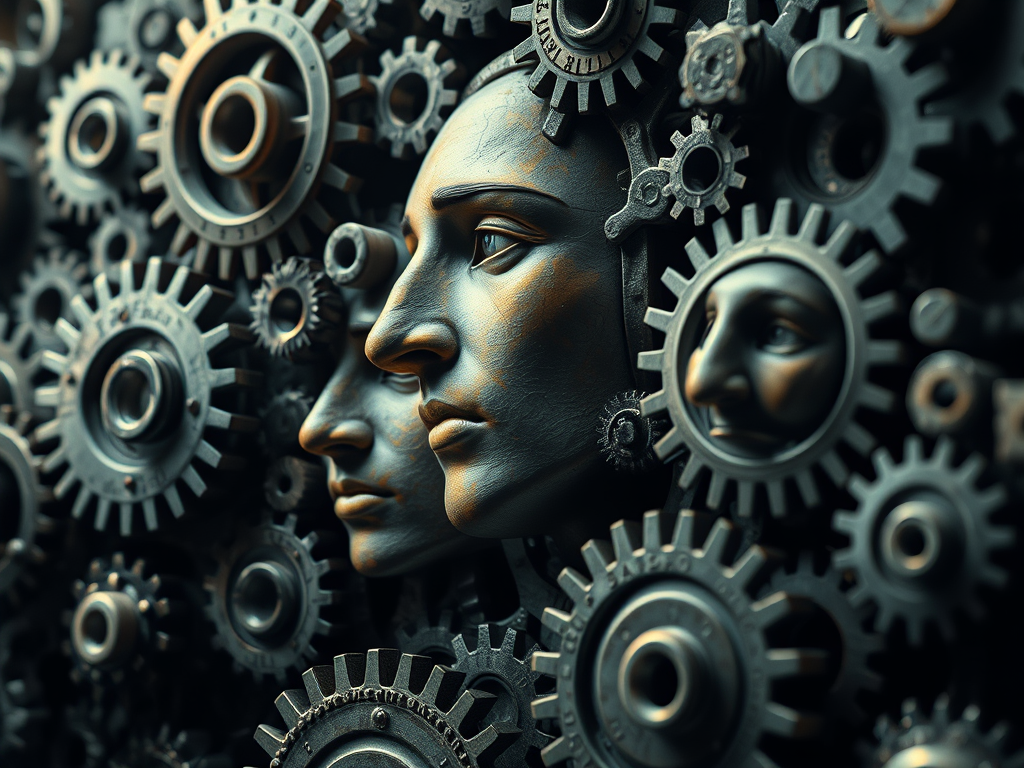
In “The Bacchae,” Pentheus embodies the Apollonian qualities. As the king of Thebes, he values order, rationality, and control. He vehemently opposing the chaotic and ecstatic worship of Dionysus. His resistance to Dionysus and the Bacchic rites represents a refusal to acknowledge the Dionysian aspects of existence.
Dionysus, in contrast, brings with him the elements of the Dionysian. His cult involves ecstatic dance, frenzied states, and a connection to the primal forces of nature. The conflict between Pentheus and Dionysus is thus a vivid dramatization of the Apollonian-Dionysian dichotomy, highlighting the tension between order and chaos, rationality and instinct.
Nietzsche’s Likely Influence
Nietzsche was well-versed in Greek mythology and tragedy. Thus “The Bacchae” would have been a significant text in his understanding of Greek culture and the origins of tragedy. The conflict between Pentheus and Dionysus aligns closely with Nietzsche’s concepts.
Pentheus’ attempt to maintain order in Thebes by suppressing the Dionysian cult mirrors the Apollonian drive for structure and reason. Dionysus’ disruptive influence represents the chaotic, ecstatic elements of the Dionysian.
The king’s rationality and skepticism are pitted against the irrational, instinctual fervor of the Bacchae. This apect of the drama reflects Nietzsche’s view of the dynamic interplay between these forces.
Pentheus’ hubris in denying the power of Dionysus leads to his tragic downfall, emphasizing the need to balance both Apollonian and Dionysian elements. Nietzsche saw this balance as essential for the creation of true art and the realization of human potential.
Conclusion
The myth of Pentheus, as explored in Euripides’ “The Bacchae,” offers a profound narrative that aligns with Nietzsche’s Apollonian and Dionysian dichotomy.
The interplay of order and chaos, rationality and instinct, as depicted in the drama, likely influenced Nietzsche’s conception of these forces.
Through this myth, Nietzsche articulated a vision of art and human experience that encompasses the dualities of our existence.
We should keep a balance between our Apollonian and Dionysian tendencies.



Leave a Reply