
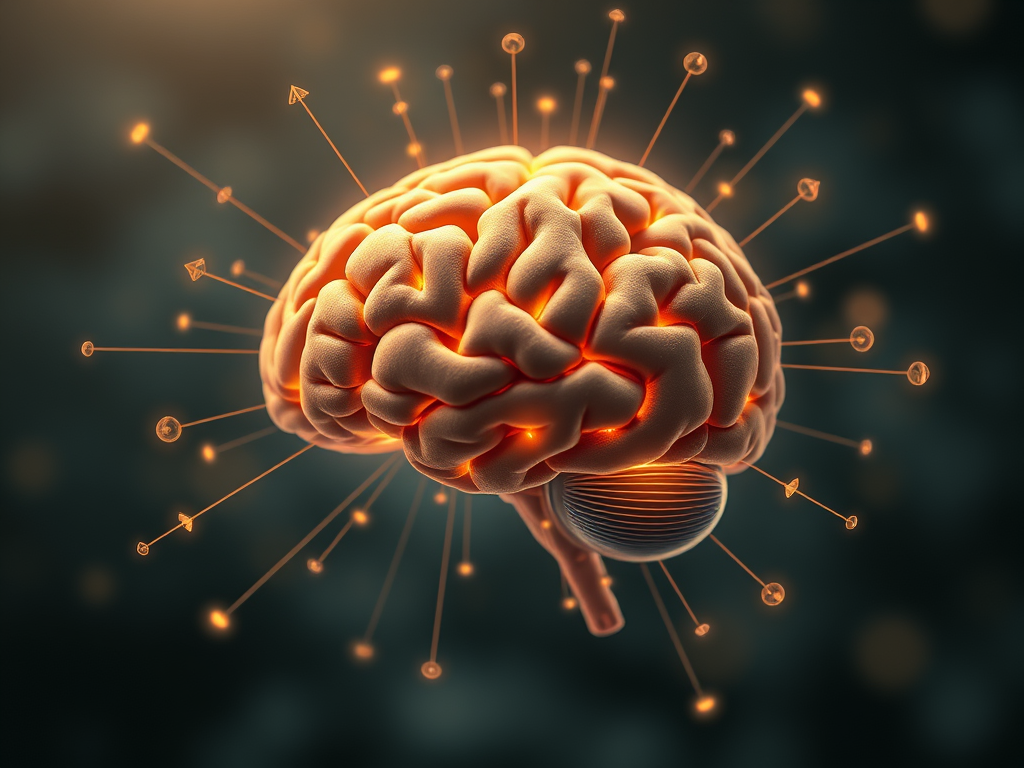
The human heart, a marvel of biological engineering, is often celebrated for its rhythmic pulse and life-sustaining role. Yet, beyond its function as a pump, the heart is home to a sophisticated and surprisingly complex neural network. This “brain of the heart,” or the cardiac nervous system, plays a crucial role in regulating heart function and adapting to the body’s needs. In this article, we explore the intricate neural network within the heart and its vital contributions to cardiovascular health.
The cardiac nervous system
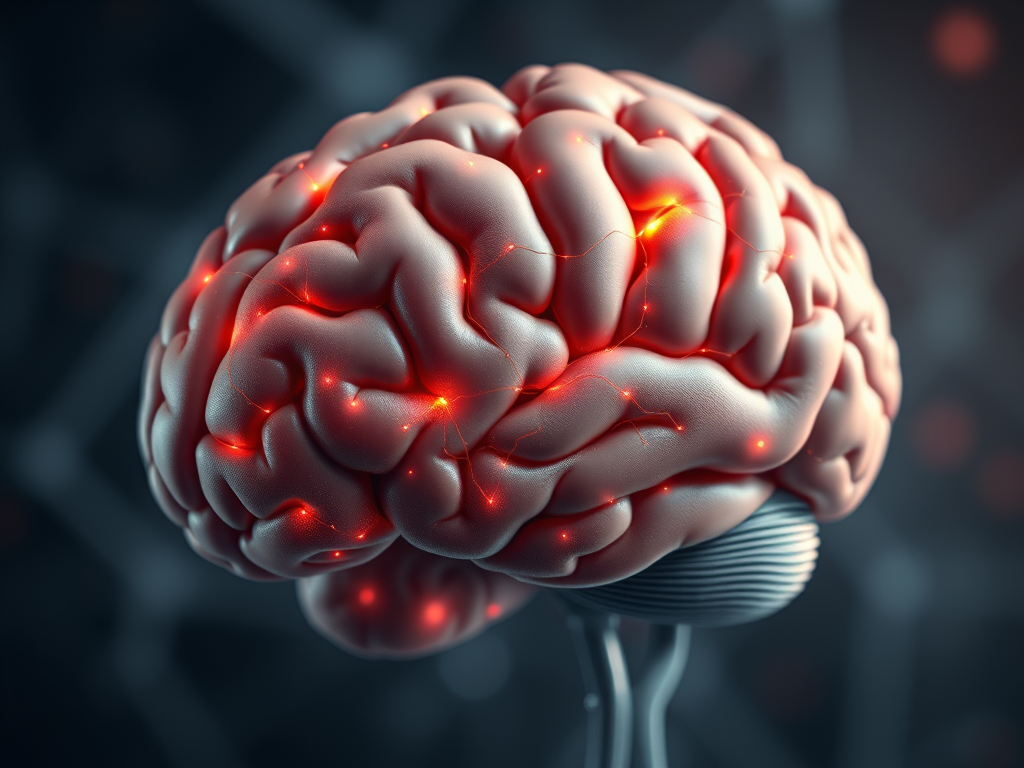
Traditionally, the heart was viewed primarily as a mechanical pump driven by electrical signals from the brain. However, recent research has revealed that the heart possesses its own intrinsic nervous system, known as the cardiac nervous system or the intrinsic cardiac nervous system. This system operates independently but in concert with the central nervous system, coordinating heart rate, rhythm, and force of contraction.
Embedded within the heart’s walls, there are clusters of neurons, known as ganglia, These act as the heart’s own “mini-brains.” They process and relay information about the heart’s status and adjust its activity accordingly.
Cardiac plexus is a network of nerves surrounds the heart, including the sympathetic and parasympathetic branches of the autonomic nervous system. These plexuses influence heart rate and force of contraction through neurotransmitters and other signaling molecules.
Sensory neurons within the heart detect various physiological parameters, such as stretch and chemical changes, and provide feedback to the intrinsic cardiac ganglia and central nervous system.
How the cardiac nervous system works
The cardiac nervous system regulates heart function in a manner akin to a finely tuned orchestra.
The sympathetic nervous system increases heart rate and contractility during stress or exercise by releasing neurotransmitters like norepinephrine. Conversely, the parasympathetic nervous system, primarily mediated by the vagus nerve, slows the heart rate and reduces contractility during rest and relaxation through the release of acetylcholine.
The intrinsic cardiac ganglia can modulate heart function independently of central nervous system input. This local control allows the heart to make rapid adjustments to its activity based on immediate needs, such as responding to changes in blood pressure or volume.
While the heart has its own neural network, it remains closely connected to the brain through the autonomic nervous system. This connection ensures that the heart’s activity is harmonized with the body’s overall physiological and psychological states.
The heart as an emotional mirror
The notion that the heart responds to emotional states is rooted in both ancient wisdom and modern science. From the poetic “heartache” to the clinical concept of “broken heart syndrome,” our emotional experiences leave a distinct imprint on our cardiovascular system.
One of the most telling indicators of how our emotions affect our heart is heart rate variability. HRV refers to the variation in time between each heartbeat. High HRV is often associated with resilience and emotional flexibility, while low HRV can indicate stress, anxiety, or emotional rigidity. Emotional states such as joy, relaxation, and contentment tend to enhance HRV, while stress and negative emotions can diminish it.
Acute and chronic stress can profoundly impact heart health. The “fight-or-flight” response, driven by stress, triggers the release of hormones like adrenaline, which can increase heart rate and blood pressure. Prolonged stress may lead to hypertension, increased risk of heart disease, and even contribute to the development of conditions such as arrhythmias.
Emotional states and cardiac conditions
The relationship between emotional states and heart health is evident in several well-documented phenomena:
Broken heart syndrome, also known as Takotsubo cardiomyopathy, this condition is characterized by sudden, intense chest pain and heart muscle weakness triggered by extreme emotional stress. It mimics a heart attack but usually has a good prognosis once the emotional stress is managed.
Depression is closely linked with an increased risk of cardiovascular disease. The mechanisms behind this connection include the impact of chronic stress and inflammation on heart health, as well as the ways depression can affect lifestyle choices that influence heart disease risk.
Positive emotions and psychological resilience are associated with better cardiovascular outcomes. Practices that promote emotional well-being, such as mindfulness, meditation, and social support, can contribute to a healthier heart by reducing the physiological impact of stress.
Personality traits and heart health
Characterized by high levels of competitiveness, urgency, and hostility, Type A personalities are often associated with higher risks of heart disease. The constant stress and drive for achievement can lead to detrimental health effects over time.
Individuals with a Type D personality, marked by high levels of negative affectivity and social inhibition, may experience poorer cardiovascular outcomes due to chronic stress and a tendency towards negative emotional states.
As shown above, optimistic individuals often experience lower levels of stress and better cardiovascular health. Indeed, positive outlooks and coping strategies can buffer the heart against the detrimental effects of stress.
The heart in love
Love is often described as the greatest of human experiences, a powerful force that shapes our lives in profound ways. When we talk about “the heart in love,” we’re not just referencing a poetic metaphor; we’re touching on a complex interplay of emotions, biological processes, and psychological changes that occur when we fall in love. This article delves into how love influences the heart, both figuratively and literally, and explores the fascinating connection between romance and cardiovascular health.
The biology of love
When we fall in love, our hearts and bodies undergo a series of changes driven by a cocktail of hormones and neurotransmitters. Here’s a closer look at what happens:
The initial stages of falling in love often involve an elevated heart rate. This response is part of the body’s “fight-or-flight” reaction, triggered by the release of adrenaline. The excitement and anticipation of being with someone special can make your heart race and give you that fluttery feeling.
Dopamine, a neurotransmitter associated with pleasure and reward, surges during romantic encounters. This creates a feeling of euphoria and reinforces the emotional bond between partners. It’s the same chemical that contributes to the sense of exhilaration we experience in the early stages of a relationship.
Often referred to as the “love hormone,” oxytocin plays a crucial role in forming emotional connections. Released during physical touch, such as hugging or kissing, oxytocin helps deepen the bond between partners and fosters a sense of trust and intimacy.
Serotonin, another neurotransmitter, can influence mood and behavior. In the throes of new love, serotonin levels can fluctuate, sometimes leading to obsessive thoughts about a partner. This can explain why people often feel preoccupied with their loved ones during the early stages of a relationship.
The emotional impact of love on the heart
Love’s influence on our hearts extends beyond physiological changes. The emotional and psychological aspects of love can also have a significant impact on heart health:
Love and positive relationships can reduce stress and lower cortisol levels, contributing to overall cardiovascular health. The support and comfort provided by a loving partner can help mitigate the effects of daily stressors.
Studies have shown that individuals in loving relationships often have lower blood pressure and reduced risk of heart disease. The emotional support and stability provided by a partner can contribute to healthier lifestyle choices and improved heart function.
Love can enhance emotional resilience, helping individuals cope better with challenges and setbacks. This resilience can translate into better heart health, as individuals are less likely to be overwhelmed by stress and anxiety.
Love and longevity
The link between love and longevity is an area of growing interest in medical research. Several studies suggest that people who maintain strong, loving relationships may enjoy better health and a longer life.
A loving relationship often provides a robust support network, which is crucial for mental and physical well-being. Social support can buffer against stress, improve coping mechanisms, and promote healthier behaviors.
People in caring and supportive relationships generally report higher levels of happiness and emotional fulfillment. This emotional well-being is associated with a lower risk of chronic illnesses and improved cardiovascular health.
Engaging in shared activities and maintaining a healthy lifestyle together can enhance both partners’ well-being. Couples who exercise, eat well, and pursue healthy habits together are likely to experience greater overall health benefits.
Implications for well-being
Understanding the deep connection between the heart and our emotional and psychological states opens new avenues for improving heart health.
- Stress management: Techniques such as mindfulness, yoga, and deep-breathing exercises can help manage stress and improve heart rate variability, ultimately benefiting cardiovascular health.
- Emotional awareness: Cultivating emotional awareness and seeking support for mental health can contribute to better heart health. Therapy and social connections play vital roles in maintaining emotional balance and, by extension, cardiovascular well-being.
- Healthy lifestyle choices: Engaging in physical activity, maintaining a balanced diet, and fostering positive relationships are not only beneficial for mental health but also essential for a healthy heart.
Concluding reflections
The heart’s role in love extends far beyond the poetic and symbolic. From the exhilarating rush of new romance to the deep, enduring bond of long-term relationships, love has a profound impact on our cardiovascular health and overall well-being.
By understanding the intricate relationship between emotional states and the heart, we can better appreciate the ways in which our emotions and physical health are interwoven.
Embracing positive emotions and feelings can lead to a healthier, more fulfilling life—both for the heart and the soul.






Leave a Reply