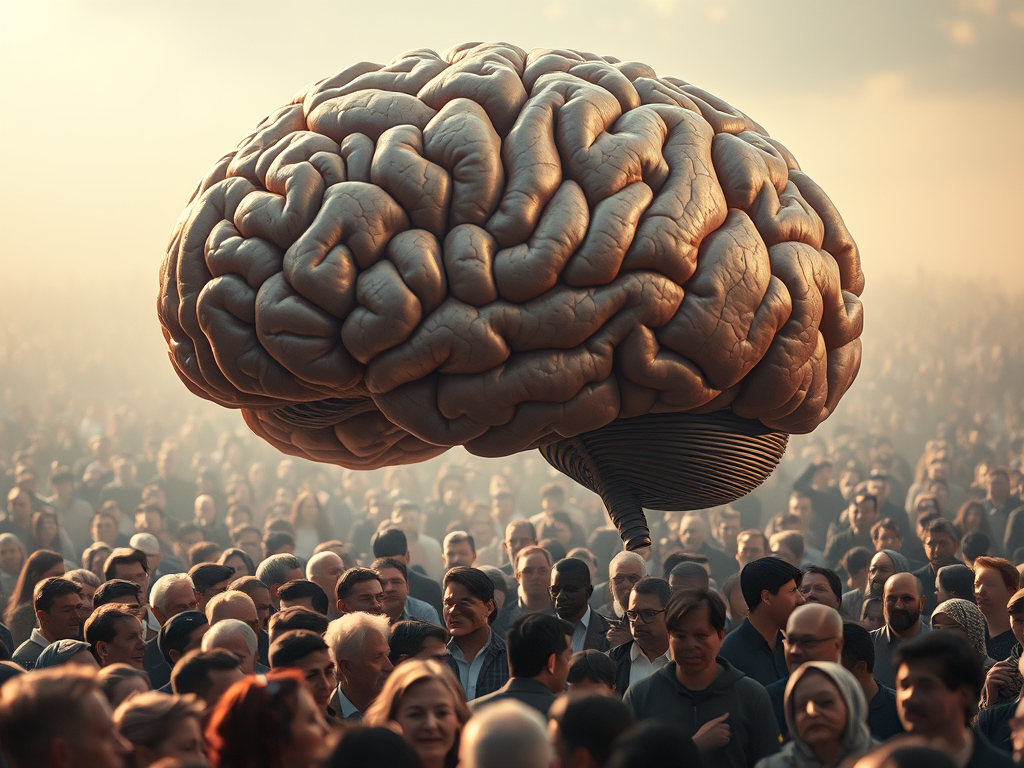
The limbic system plays a major role in the adaptation to the environment by connecting the brain’s oldest survival mechanisms with the more advanced cognitive abilities that developed later in human evolution. Practically, it brings together emotional experience, instinctive drives, and memory, allowing basic biological needs and learned associations to shape how a person reacts to the world. Because it links deep, the limbic system gives emotional and instinctive processes a powerful influence over behaviour, often guiding actions long before conscious reasoning becomes involved.
Although the limbic system is not a single brain structure but a network, its components work together in a way that directly moulds behaviour. The amygdala, hippocampus, hypothalamus, thalamus, cingulate gyrus, and parts of the basal ganglia form a dynamic circuit that constantly evaluates the environment, assigns emotional meaning, and prepares the body to act. Any aspect of our behaviour emerges from this interplay by converting feelings into patterns of action, avoidance, approach, or engagement.
The amygdala
A major component of the limbic system, the amygdala rapidly interprets sensory information in terms of threat or reward. Every time we perceive any form of danger, the amygdala triggers the hypothalamus to initiate physiological changes that prepare for immediate actions such as freezing, fleeing, or confronting a perceived threat. Most of these responses occur so quickly that behaviour is often underway before conscious awareness catches up.
The amygdala is deeply involved in how people interpret the emotional states and facial expression of others, how they decide whom to trust, and how intensely they react during social interactions. Studies show that it responds almost instantly to subtle cues in another person’s face, such as widened eyes, tension around the mouth, or shifts in gaze direction. These cues help a person judge whether someone is friendly, threatening, uncertain, or distressed. Because this evaluation happens before conscious reasoning, the amygdala shapes first impressions and immediate social reactions in a powerful way.
When encountering someone new, the amygdala assesses whether the person appears safe or potentially harmful. If it detects cues associated with threat or unpredictability, it can generate a sense of unease or caution, even if the person has not done anything overtly negative. Conversely, when interpreting signals of warmth or familiarity, it can facilitate feelings of comfort and openness. This means that trust is not purely a rational judgement because it is grounded in emotional evaluations that arise from limbic processing.
People with heightened amygdala reactivity may experience stronger emotional responses during social interactions, such as feeling easily overwhelmed, threatened, or excited. This can influence how they behave in groups, how they handle conflict, and how they interpret ambiguous social cues. On the other hand, reduced amygdala activity can blunt emotional responses, making social interactions feel flat or less meaningful. In extreme cases, damage to the amygdala can impair the ability to recognise fear in others, which disrupts normal social behaviour because the individual may not respond appropriately to signs of distress or danger.
Through its connections with the prefrontal cortex, the amygdala also helps regulate social decision‑making. Emotional signals generated by the amygdala are integrated with higher‑order reasoning, allowing a person to weigh instinctive reactions against social norms and long‑term goals – an interplay shapes behaviours such as empathy, cooperation, assertiveness, and conflict resolution. Therefore, the amygdala acts as a kind of emotional filter that colours social perception and guides behaviour in ways that are often automatic yet deeply influential.
Other limbic structures
The instinctual part of the limbic system is the hypothalamus, a neurological structure that regulating fundamental drives. Hunger, thirst, sexual motivation, and stress responses all originate here, and these drives exert a powerful pull on behaviour. Once the hypothalamus signals a need, behaviour shifts to satisfy it, often overriding competing goals. Emotional states can intensify our drives, and bodily needs can heighten our emotional reactivity by creating a continuous feedback loop between internal states and outward actions.
The hippocampus is the part of the limbic system responsible in embedding emotional experiences into memory. Past events form in this part of the brain templates for future action. For instance, a frightening encounter can make us become more cautious, while a rewarding experience can encourage the repetition of the same behaviour. Such a memory‑based shaping of behaviour means that the limbic system does not only produce immediate reactions but also guides long‑term behavioural patterns, habits, and expectations.
The cingulate gyrus and basal ganglia help translate emotional and motivational states of the above components of the limbic system into purposeful behaviour. Both coordinate the selection of actions, the persistence of effort, and the expression of emotion through movement, posture, and tone of voice. Their combined role is to ensure that behaviour reflects internal states in a coherent way, whether through subtle social signals or decisive goal‑directed actions.
Concluding remarks
The limbic system forms the core of the brain’s emotional and instinctive life, shaping behaviour by linking basic drives, emotional reactions, and memory into a single integrated network. Its structures work together to evaluate the environment, assign meaning to experiences, and trigger actions that are often rapid and automatic yet deeply influenced by past events. By connecting ancient survival mechanisms with higher cognitive processes, the limbic system ensures that behaviour remains responsive, adaptive, and grounded in both biological needs and personal history.






Leave a Reply