
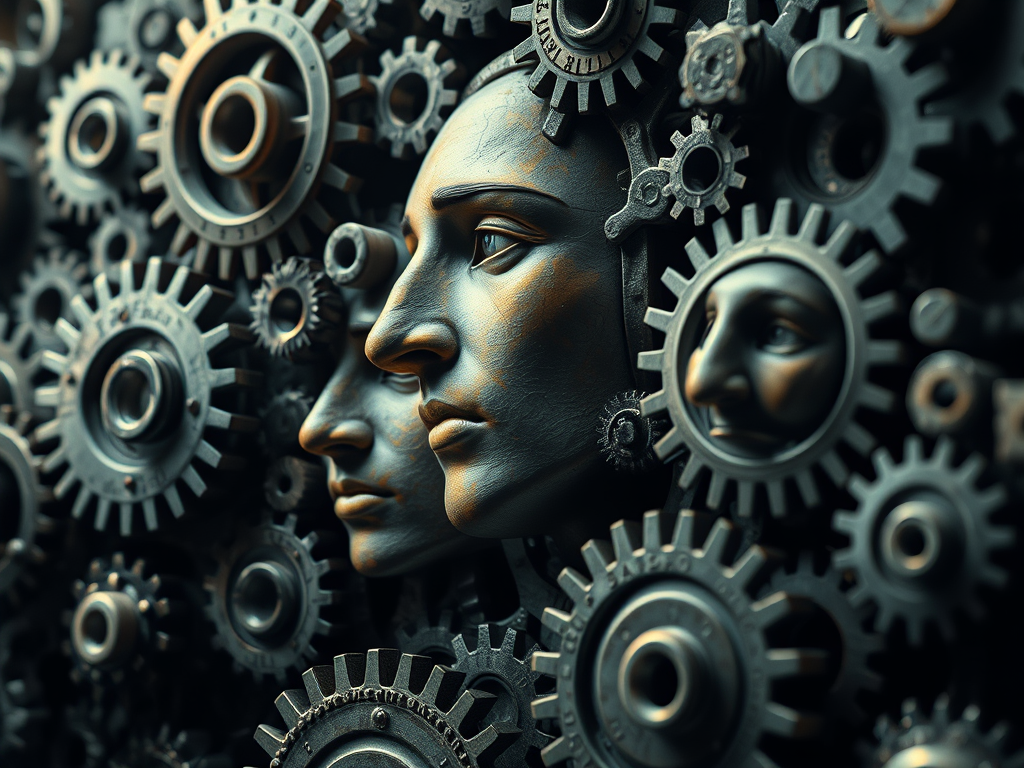
Consciousness, a complex and perennially intriguing phenomenon, has captivated the attention of scholars, scientists, and philosophers across millennia. Defined as the state of being aware of one’s surroundings, thoughts, and sensations, consciousness encompasses the subjective experience of existence.
Human consciousness, shaped by biological, neurological, and environmental factors, is characterized by its cognitive and perceptual dimensions. The interplay of thoughts, emotions, memories, and sensory perceptions gives rise to the multifaceted complexity of human experience.
Beyond the realm of the organic, some scholars and spiritual traditions posit the existence of a collective or universal consciousness—a fundamental awareness that permeates all existence. This concept challenges conventional notions of individuality and separateness, suggesting a deeper interconnectedness among all living beings and perhaps even the fabric of reality itself.
How have we lost contact with our own consciousness?
Our disconnect from consciousness finds its roots in the lifestyle of modernity that leaves little room for the cultivation of inner stillness and self-awareness, ultimately leading to a profound sense of disconnection from our true selves.
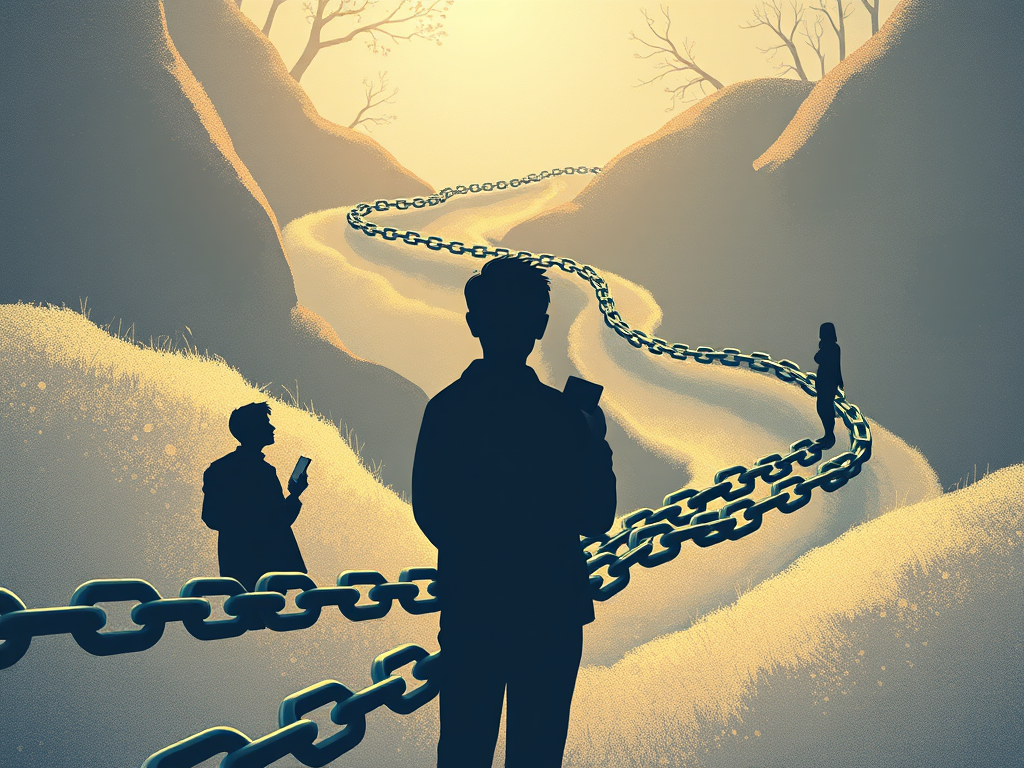
The constant bombardment of information, notifications, and stimuli from smartphones, social media, and other digital devices has led to a state of continuous partial attention, where our focus is fragmented and our ability to engage in deep introspection is compromised. Studies have shown that excessive use of digital technology is associated with decreased mindfulness and self-awareness, contributing to a sense of disconnection from our inner selves.
The fast-paced nature of modern lifestyles leaves little room for contemplation and self-reflection. The relentless pursuit of productivity, success, and external validation often takes precedence over the cultivation of inner awareness and self-understanding. As a result, many individuals find themselves caught in a cycle of busyness and distraction, neglecting the subtle cues and signals from their consciousness.
Societal norms and cultural conditioning also play a significant role in shaping our relationship with consciousness. From a young age, we are socialized to prioritize external achievements, material possessions, and social status, often at the expense of our inner well-being. This emphasis on external validation and superficial measures of success can lead to a disconnect from our authentic selves, as we strive to conform to societal expectations rather than honor our true desires and values.
Additionally, the prevalence of stress, anxiety, and mental health issues in modern society further exacerbates the erosion of our connection with consciousness. The pressures of work, financial obligations, and social relationships can overwhelm our nervous system, leading to a state of chronic stress and emotional dysregulation.
The consequences of neglecting our inner world
In our contemporary, externally-oriented society, there’s a prevailing tendency among us to prioritize the demands of the outer world over the exploration of our inner depths. This collective inclination often leads to a gradual erosion of our self-awareness and emotional well-being, with far-reaching negative consequences.
Neglecting our inner world can strain our interpersonal relationships and hinder authentic connection with one another. When disconnected from our own emotions and inner experiences, we may struggle to empathize with the feelings and perspectives of our peers. This lack of emotional attunement can lead to misunderstandings, conflict, and a sense of relational disconnect within our communities.
Many of us become so engrossed in the external world that our self-awareness dwindles as a result. Yet, the consequences of neglecting this crucial aspect of our being extend far beyond our emotional well-being, reaching into the realm of physical health.
Suppressing or ignoring our inner turmoil can allow unresolved emotions and traumas to fester beneath the surface, contributing to anxiety, depression, and chronic stress. Without addressing these internal struggles, we risk perpetuating cycles of psychological distress and maladaptive coping mechanisms among ourselves.
Research also indicates that a lack of self-awareness can significantly increase the risk of psychosomatic disorders and even certain types of cancer, underscoring the profound interplay between mind and body.
Furthermore, being forgetful we may neglect self-care practices such as healthy eating, exercise, and regular medical screenings. This lack of proactive health behaviour can further exacerbate the risk of cancer development and delay diagnosis, potentially compromising treatment outcomes.
How to regain the contact with ourselves?
With some many external distractions and incessant stimuli, the journey inward toward self-exploration and reconnecting with our inner consciousness is a vital pursuit. Exploring the depths of our consciousness can lead to profound insights, enhanced well-being, and a greater sense of achievement.
Carving out regular time for quiet self-reflection and contemplation is essential for reconnecting with our inner universe. In a materialistic society, it’s easy to get swept away by external distractions, leaving little room for introspection. However, setting aside dedicated time to sit in silence allows us to turn our attention inward and listen to the whispers of our inner voice. This practice encourages deep introspection, self-inquiry, and the exploration of our beliefs, values, and aspirations.
Mindfulness meditation is a powerful tool for cultivating present-moment awareness and deepening our connection with our inner experiences. By simply observing our thoughts, emotions, and sensations without judgment, we can develop a greater sense of self-awareness and insight into the workings of our mind.
Practices such as yoga, tai chi, and qigong integrate movement, breathwork, and mindfulness to foster harmony between the body and mind. These practices not only promote physical health and relaxation but also facilitate a deeper awareness of bodily sensations and the interconnectedness of mind and body. Nature provides a serene backdrop for contemplation, reflection, and inner exploration, allowing us to tap into a deeper sense of peace and harmony.
Engaging in creative pursuits such as art, music, dance, or writing can be a powerful means of self-expression and self-discovery. Creativity taps into the subconscious mind, accessing deeper insights and emotions that may be hidden beneath the surface. Through creative expression, we can explore and give voice to aspects of our consciousness that may otherwise remain unexplored.
The Jungian ways to explore the depths of our psyche
In Jungian psychology, we can find several methods at our disposal for delving into the depths of our subconscious mind.
Dream analysis is a cornerstone of Jungian psychology, offering us a direct gateway to the subconscious mind. By exploring the symbols, themes, and narratives present in our dreams, we can uncover hidden aspects of our psyche, unresolved conflicts, and unconscious desires. Jung believed that dreams provide valuable insights into the collective unconscious, tapping into universal symbols and archetypes that resonate across cultures and time periods. Through the process of dream interpretation, we can gain a deeper understanding of our inner world and the unconscious forces shaping our thoughts and behaviours.
Jungian psychology places great emphasis on the role of mythology and archetypes in shaping human consciousness. Archetypes are universal symbols and patterns of behaviour that reside in the collective unconscious, representing fundamental aspects of the human experience. By studying mythology and archetypal motifs found in ancient narratives, we can gain insight into the deeper layers of our psyche. This is why I focus so much on writing articles about this topic.
Note that rituals cal play a significant role in Jungian psychology as symbolic expressions of inner processes and transitions. Rituals provide us with a structured framework for engaging with the inner depth as they facilitate a state of flow.
Introspection, or self-reflection, is a fundamental practice in Jungian psychology for exploring the depths of the subconscious mind. Through introspection, we cultivate self-awareness and engage in a process of inner dialogue, questioning, and self-inquiry. By turning inward and examining our inner life we can uncover unconscious patterns, conflicts, and motivations that influence our behaviour. Introspection facilitates a deeper understanding of the self and fosters individuation.





Leave a Reply