Reason for writing this article
Personally, I do not like sumo wrestling. However, as a doctor, my interest lies deeply in the realm of healthy diets. I approach dietary information with a critical eye, especially when it is framed in a Western context, which often overlooks the cultural nuances that shape our eating habits.
Diet, like every aspect of our social lives, is a cultural construct. For this reason, I aim to assess the healthiness of a diet in a holistic manner, embracing a multicultural perspective. This is why I delve into studies that explore the effects of diets from various cultures, each offering unique insights into how we nourish our bodies.
One area that particularly fascinates me is the development of healthy fat tissues. I don’t advocate for an excessively lean physique; rather, I recognize the essential role that adipose tissue plays in our overall health. My specific interest in this area is closely tied to my practice of regular cold-water immersion.
A balanced approach
Maintaining balance is crucial. While I am mindful not to gain unnecessary weight, I also understand the importance of preserving my fat tissue. This fat is vital for sustaining the body during cold exposure, providing insulation and energy.
So, how do I strike this balance? I continually seek out knowledge, reading extensively on this topic. In the upcoming articles, I will explore these ideas further. For now, let’s turn our attention to the sumo diet and what it can teach us about the relationship between diet, fat, and longevity.
What is sumo?
Sumo is a traditional Japanese form of wrestling that is deeply rooted in the country’s culture and history. It involves two large, heavy wrestlers, known as rikishi, who compete in a circular ring called a dohyo. The objective is simple: one wrestler must force his opponent out of the ring or make him touch the ground with any part of his body other than the soles of his feet.
The sport ties to Shinto religious practices. Before a match, wrestlers engage in ceremonial rituals such as throwing salt into the ring to purify it and performing the shiko, a leg-stomping exercise to drive away evil spirits. The match itself, despite its often short duration, is a culmination of intense training, strength, and strategy.
Sumo wrestlers, or sumo tori, lead a highly disciplined life, living in stables where they follow strict routines, including specific diets and training regimens designed to build the massive size and strength necessary for competition. These wrestlers adhere to a hierarchical system, where rank determines their daily responsibilities and privileges.
Beyond the physical contest, sumo holds significant cultural importance in Japan. It is a symbol of tradition, reflecting values such as perseverance, respect, and discipline. Tournaments are held throughout the year, attracting large audiences, and the sport continues to be a revered and celebrated aspect of Japanese heritage.
Sumo diet
Sumo wrestling, one of Japan’s most iconic sports, offers more than just a spectacle of strength and tradition. It also provides valuable insights into the profound impact of diet on longevity. Sumo wrestlers, or rikishi have massive size, achieved through a highly specialized diet and training regimen. While their physicality is essential for their sport, the long-term effects of their dietary habits highlight important lessons about how what we eat can influence our lifespan.
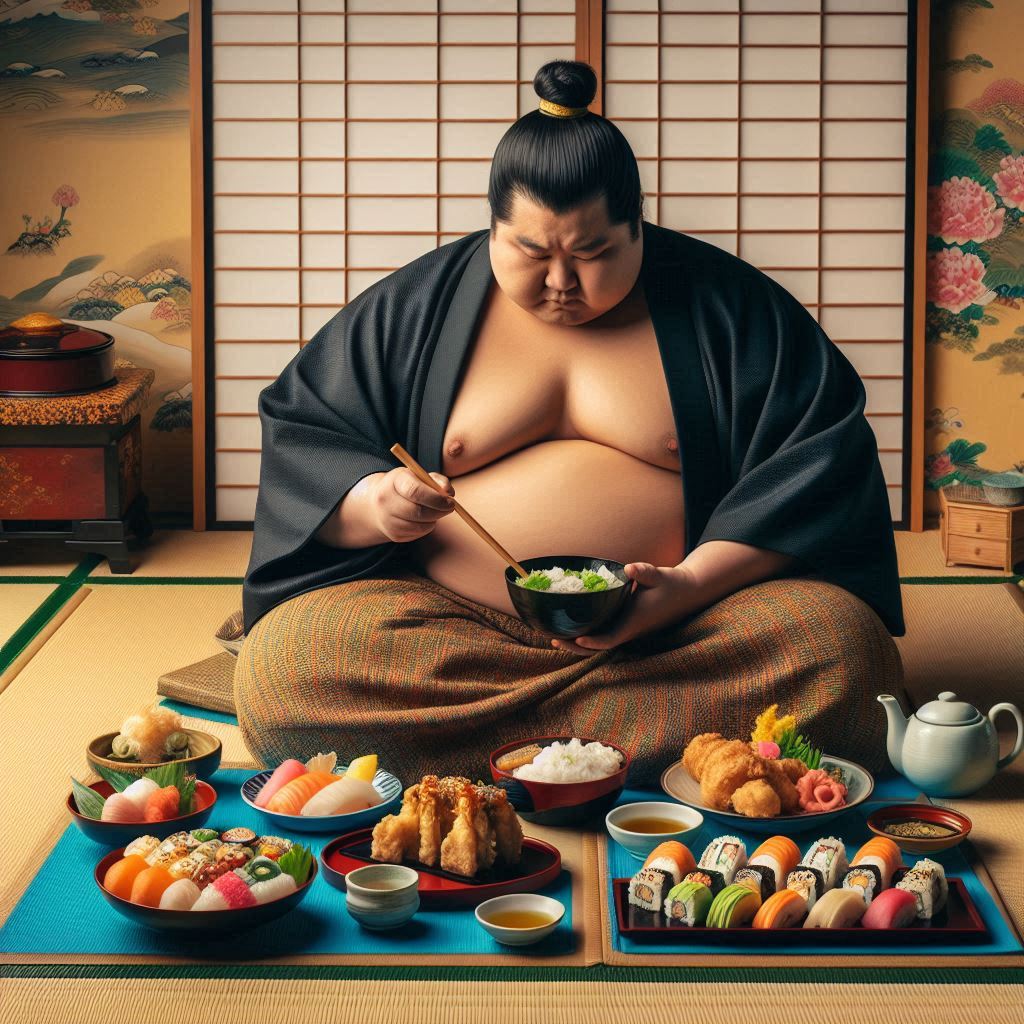
Sumo wrestlers consume a hypercaloric diet designed to help them gain substantial weight quickly. Their daily intake often includes large quantities of chanko nabe, a nutrient-dense stew filled with proteins like chicken or fish, vegetables, and tofu. This meal is consumed in massive portions, typically twice a day, along with large amounts of rice and other carbohydrates. The purpose of this diet is to build not just fat, but also muscle, to maintain the power and agility needed in the ring. However, this diet also leads to an accumulation of significant body fat, particularly if not balanced with their rigorous physical activity.
While the sumo diet is effective for achieving the size and strength necessary for the sport, it comes with considerable health risks, particularly after retirement. Many former sumo wrestlers struggle with health issues like obesity, diabetes, heart disease, and joint problems due to the excess weight they carry. The high-calorie intake, when not paired with intense exercise, leads to the development of visceral fat, with a higher risk of chronic diseases. As a result, the life expectancy of sumo wrestlers is often shorter than that of the general population, with many experiencing significant health challenges in later life.
Lessons from the sumo diet
The story of sumo wrestlers underscores the critical relationship between diet and longevity. While consuming large quantities of food rich in calories can build a strong and massive physique, it also places immense strain on the body over time. This highlights the importance of a balanced diet that provides essential nutrients without excessive calorie intake. Maintaining a healthy weight through a balanced diet and regular physical activity is crucial for long-term health and longevity.
Furthermore, the transition that many retired sumo wrestlers make towards a healthier lifestyle after leaving the sport offers another important lesson. Those who successfully shed excess weight and adopt a more balanced diet often experience improved health and longevity. This demonstrates that it is possible to mitigate some of the negative effects of a previously unhealthy diet by making proactive changes, emphasizing the body’s resilience when given the right care.
The sumo wrestler’s experience serves as a reminder of the profound impact our dietary choices have on our lives. It encourages us to consider not just the immediate effects of what we eat, but also how those choices will influence our health and longevity in the years to come.
Personal lessons for cold exposure from the sumo diet
In my practice, I avoid hypercaloric intake and steer clear of binge eating, recognizing that an overabundance of calories can be detrimental to health. While it is essential to build and maintain healthy fat tissues for purposes like insulation during cold water immersion, this does not require an excessive calorie surplus. Instead, the goal is to cultivate fat in a way that supports both my cold-water practices and overall health without leading to unnecessary weight gain.
Building healthy fat tissues should be about balance and quality rather than sheer quantity. It’s about fueling the body with the right nutrients and maintaining a healthy weight that supports my activities and promotes longevity. Excessive food intake, as observed in sumo wrestlers, is not necessary to achieve this balance.
Instead, there are other solutions
To be continued…







Leave a Reply