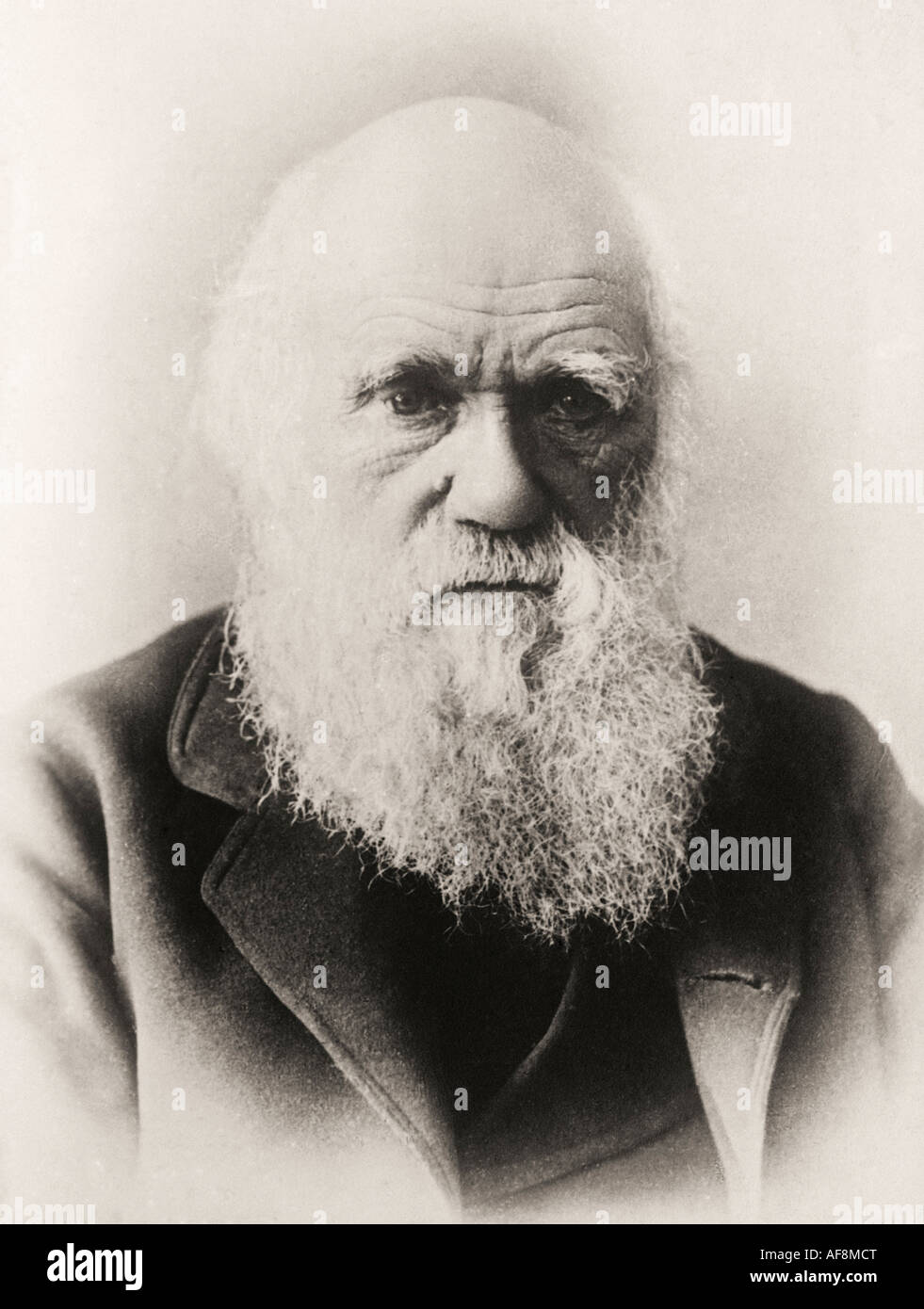

Charles Darwin, the English naturalist whose work reshaped modern biology, offers a clear example of how avoidance can influence us when a task feels heavy or uncertain. For many years he developed his ideas on evolution, drawing on observations from his voyage on the Beagle and filling notebooks with evidence, yet he repeatedly stepped back from the moment of presenting his theory. The delay brought a brief sense of relief, as if more preparation might make the eventual step easier, even though the weight of the work continued to grow.
During this long period, he continued to refine his thinking, hoping that postponement might shield him from the scrutiny he feared. Everything shifted when Alfred Russel Wallace, a younger naturalist working independently in Southeast Asia, sent him a manuscript describing how species change through environmental pressures. Wallace explained that individuals with traits better suited to their surroundings were more likely to survive and reproduce, and that these traits would gradually become more common in a population, creating slow but consistent change across generations. The closeness of Wallace’s explanation to Darwin’s own theory made it impossible for Darwin to continue delaying, because the ideas he had been developing privately were now emerging elsewhere with striking similarity.
His experience shows that avoidance often grows out of deep investment rather than indifference, and that the instinct to protect ourselves from discomfort can easily become a barrier to meaningful progress. The eventual decision to act demonstrates that movement rarely depends on feeling fully ready; it develops through steady engagement with the task, allowing discomfort to be present without letting it dictate the outcome. The lesson we can learn is that avoidance loses its hold when we approach what we fear with consistent, manageable steps, discovering along the way that our capacity expands each time we choose engagement over retreat.
From a Jungian perspective, Darwin’s long hesitation can be understood as a tension between the different forces within his psyche, each pulling him in a direction he was not yet ready to follow. His conscious identity was shaped by the expectations of Victorian society, which valued stability, religious orthodoxy, and intellectual caution, and this persona made it difficult for him to bring forward an idea that would challenge the foundations of the worldview he had inherited. The theory of evolution carried implications that reached far beyond biology, and Darwin sensed the magnitude of what he was uncovering, which made the act of presenting it feel psychologically dangerous.
Darwin’s work was also shaped by the presence of the anima, the archetype that drew him back to the same questions even when he tried to set them aside. His fascination with the natural world, his patience in observing small variations, and his steady return to the problem of how species change suggest that the anima oriented him toward what felt deeply meaningful. The theory grew from an imaginative current within him, an anima quality that kept pointing him toward a truth he sensed long before he dared to bring it fully into the open.
Darwin also struggled with the presence of the shadow, the part of the psyche that carries impulses and insights that do not sit comfortably within the rules we have learned to follow. His theory held a disruptive force that challenged the conservative assumptions of his time, and during the years of hesitation he kept this shadow material at a distance, aware of its power yet wary of the consequences it might bring. The shadow pushes against what has become too rigid, and Darwin’s long avoidance shows how difficult it can be to let this energy into consciousness when the stakes feel high.
The arrival of Alfred Russel Wallace can be seen as a moment of synchronicity, a meaningful coincidence that forced Darwin to confront what he had been postponing. Jung often described such moments as catalysts that move a person toward individuation, and Wallace’s appearance served exactly that role, making it impossible for Darwin to continue repressing the part of himself that had been waiting to emerge.
Darwin’s eventual decision to publish reflects a movement toward greater psychological integration by allowing the anima’s creative impulse and the shadow’s disruptive energy to enter consciousness, accepting that the truth he carried needed to be expressed despite the discomfort it brought.
The lesson we can draw from this is that avoidance often signals the presence of something psychologically significant—something that belongs to us but has not yet been integrated. When we finally turn toward what we have been avoiding, we integrate previously separated parts of the psyche, and in doing so, we move toward a more authentic and expansive version of ourselves.






Leave a Reply