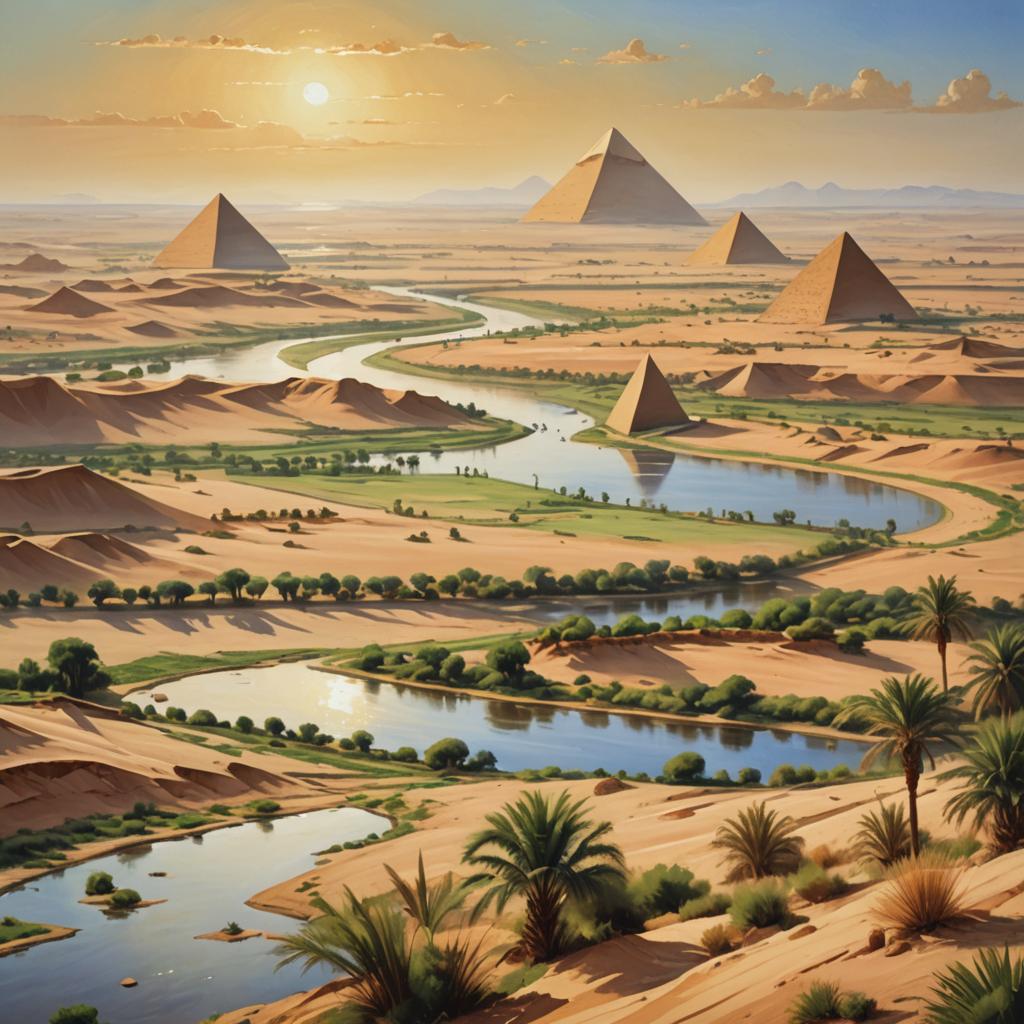
In the pantheon of Ancient Egyptian deities, Hapi occupies a unique and significant role as the god of the annual flooding of the Nile River. This event was crucial for agriculture and life in Egypt, making Hapi an essential figure in the daily lives of the people. His influence extended beyond just the river itself, symbolizing abundance, fertility, and the sustenance of the land.
Hapi, often depicted as a robust figure with a large belly, represents fertility and prosperity. Artists frequently illustrated him with the attributes of a man with a beard, holding large offerings of food. His ample form symbolizes the fullness of the river and the life-giving resources it provides. The Egyptians revered Hapi because his annual flooding deposited nutrient-rich silt on the fields, enabling crops to flourish. This cycle was fundamental to agriculture, which was the backbone of Egyptian society and economy.
Iconography and festivals
In artistic depictions, Hapi appears with a range of symbols that underscore his connection to the Nile. His usual representation includes a body covered with mud and vegetation, reflecting the fertile silt left behind by the river. Artists sometimes adorned him with a papyrus plant on one side and a lotus on the other, linking him directly to the flora of the Nile. This imagery reinforced his association with abundance and the nourishing qualities of the river.
Egyptians honored Hapi through various festivals and ceremonies, which celebrated the arrival of the Nile’s flood. These festivals were times of great joy and gratitude, as they marked the start of a new agricultural cycle. During these celebrations, priests performed rituals to appease Hapi and ensure the continued favor of the river. The people offered food, music, and dance as part of these rituals, recognizing the god’s crucial role in their prosperity.
Symbolism
Hapi’s mythology intertwines with the larger religious beliefs of Ancient Egypt, where he personifies the Nile’s annual inundation. This flood was not merely a natural event but a divine occurrence with profound significance. The Nile’s rise and fall reflected the gods’ will, and Hapi, as the embodiment of this cycle, symbolized the divine guarantee of the land’s fertility.
Although Hapi primarily symbolizes earthly abundance, his influence extended to beliefs about the afterlife. Egyptians viewed the Nile’s annual flood as a metaphor for the sustenance of the soul in the afterlife. In this sense, Hapi’s role as a provider of life and nourishment resonated with the spiritual aspects of existence, ensuring that the sustenance he provided in life also contributed to the soul’s journey in the next world.
Cultural impact
The reverence for Hapi highlights the deep connection between the Ancient Egyptians and their environment. The Nile River was more than a geographical feature; it was a source of life and a divine gift. Hapi’s worship reflects the broader theme of nature’s divinity and its central role in sustaining human life. His legacy endured throughout the dynastic periods of Egypt, underscoring the importance of agricultural cycles and their divine underpinnings.







Leave a Reply