
Inhibitions are a fundamental aspect of human psychology. They act as internal controls, helping us regulate our actions and emotions in ways that align with our social, cultural, and personal values.
However, not all inhibitions are equal. Some are essential for fostering healthy relationships, personal safety, and professional success, while others can cripple growth, creativity, and mental well-being. The key lies in distinguishing between healthy inhibitions, which guide us toward productive behavior, and crippling inhibitions, which stifle potential.
Healthy inhibitions
Healthy inhibitions serve as a form of self-regulation. They create boundaries in our lives that protect us from harm and help us navigate complex social situations. For instance, the inhibition to avoid saying hurtful things in anger reflects emotional intelligence and empathy.
Similarly, healthy inhibitions can prevent impulsive decisions that may lead to regret, such as acting on a fleeting emotion or indulging in unhealthy habits. They are the psychological guardrails that keep us on course toward our long-term goals, allowing us to function harmoniously within society.
Moreover, healthy inhibitions help maintain a sense of self-control. They enable us to weigh our actions and consequences, helping us prioritize what truly matters. This type of inhibition empowers us to choose delayed gratification over instant pleasure, aligning with a deeper understanding of how small sacrifices today can lead to larger rewards tomorrow. Healthy inhibitions aren’t about suppression—they’re about discipline, mindfulness, and an ability to tune into our higher values and long-term aspirations.
When inhibitions become crippling
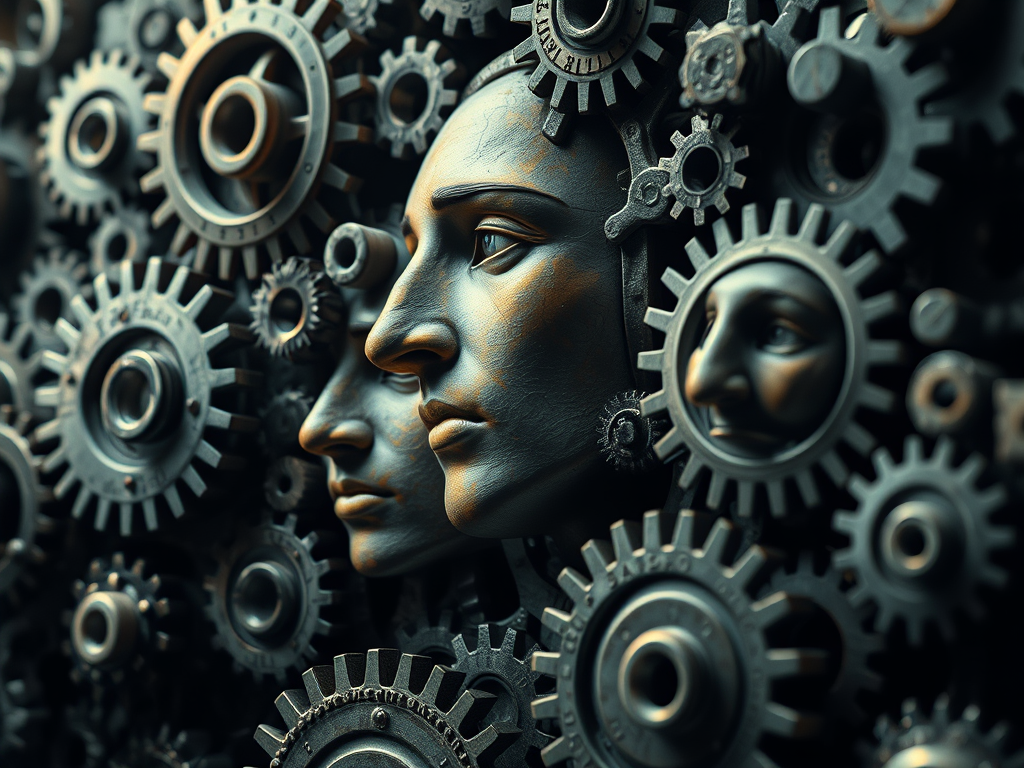
On the other hand, crippling inhibitions arise when the internal restraints that protect us from harm become overly restrictive, limiting our ability to experience life fully. These inhibitions often stem from fear—fear of judgment, failure, or rejection—and can lead to avoidance behavior. When inhibitions cross into this territory, they prevent us from taking necessary risks or trying new things. Instead of promoting growth, they become barriers, trapping us in a self-imposed prison of fear and doubt.
Unhealthy inhibitions often manifest as excessive self-consciousness, perfectionism, or anxiety. A person crippled by inhibition may avoid public speaking or social interactions because of a fear of embarrassment. Similarly, someone might avoid pursuing a dream career or creative project due to a fear of failure or criticism. These inhibitions limit personal development, causing stagnation. Over time, they erode self-esteem, as the person begins to internalize a false belief that they are incapable of achieving their desires.
While healthy inhibitions keep us grounded, excessive inhibitions become walls between us and the life we want to lead. They are often tied to limiting beliefs, which keep us in a state of over-cautiousness and prevent us from living authentically.
Finding the balance
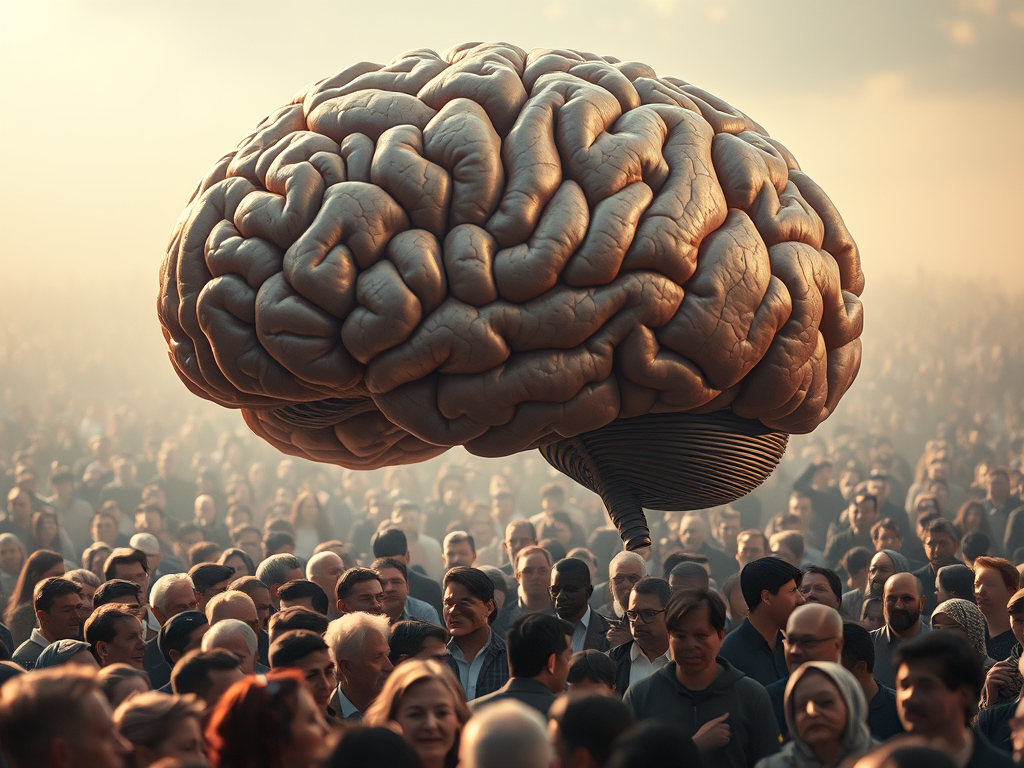
Finding the balance between healthy and overwhelming inhibitions requires self-awareness and reflection. It’s about learning when to respect your limits and when to push past them. In essence, this balance comes from discerning which inhibitions serve your highest good and which stem from fear or external pressure.
Self-awareness is the first step in this process. Recognizing when your inhibitions are rooted in a genuine need for caution versus when they are based on fear of judgment is key. For example, deciding not to engage in reckless behavior or speak out of anger would be the result of a healthy inhibition. In contrast, hesitating to express your ideas in a meeting because you’re afraid they will be dismissed is an example of a crippling inhibition.
The role of emotional intelligence
Emotional intelligence plays a crucial role here as well. It allows you to regulate your feelings, understand the motivations behind your actions, and recognize when fear is masquerading as wisdom. It also helps you practice self-compassion, which is necessary when challenging limiting beliefs. Instead of berating yourself for feeling afraid, you can acknowledge the fear and take small steps toward overcoming it, reframing the fear into a growth opportunity.
Overcoming crippling inhibitions
Addressing unnecessary inhibitions is not an overnight process. It involves confronting deeply ingrained fears and unlearning patterns of avoidance. The first step is to identify the specific inhibition and understand its root cause. For example, ask yourself why you hesitate to take risks in a certain area of your life. Are you afraid of failure, rejection, or judgment? Often, recognizing these fears diminishes their power over you.
Next, challenge those fears by taking small, manageable steps outside your comfort zone. If public speaking terrifies you, start by speaking up in smaller groups. If fear of failure is holding you back from pursuing a passion project, set small, achievable goals that allow you to experiment without overwhelming pressure. By gradually exposing yourself to the things that scare you, you develop resilience and retrain your brain to see these experiences as opportunities for growth rather than threats.
Another key aspect of overcoming crippling inhibitions is re-evaluating your self-worth. Often, crippling inhibitions stem from an overemphasis on external validation. Learning to cultivate self-compassion and a sense of inner worth can diminish the power of these inhibitions. When you stop seeking approval from others and start trusting your own instincts, you free yourself from the need to conform to others’ expectations.
Inhibitions as allies or enemies
Inhibitions, like many psychological traits, can either serve us or hinder us, depending on how they are understood and managed. Healthy inhibitions protect us, guiding us toward wise decisions and helping us navigate social interactions with grace.
Crippling inhibitions, however, stifle our growth and prevent us from reaching our full potential. By developing self-awareness, emotional intelligence, and self-compassion, we can learn to recognize the difference between the two and take the steps necessary to overcome the inhibitions that hold us back.
In the end, life requires both restraint and courage—knowing when to hold back and when to leap forward into the unknown.





Leave a Reply