
What is radical acceptance?
Radical acceptance, a concept rooted in mindfulness and psychological therapy, offers a profound and transformative way of approaching life. At its core, it is about fully acknowledging the reality of situations, particularly those that are painful, uncomfortable, or beyond our control, without attempting to change, resist, or deny them. This practice moves beyond mere tolerance and enters the realm of embracing reality as it is—whole, unfiltered, and often imperfect.
This idea can be traced back to ancient Eastern philosophies, particularly Buddhism, which emphasize the importance of accepting suffering as a fundamental part of the human experience. Yet in more recent years, radical acceptance has been brought into modern therapeutic contexts, most notably through Dialectical Behavior Therapy (DBT), which was developed by psychologist Marsha Linehan. Linehan proposed that radical acceptance helps individuals deal with overwhelming emotions by teaching them to relinquish the internal struggle against reality. While the term has therapeutic origins, its application transcends the clinic and can be integrated into everyday life as a philosophy for living more harmoniously with the world around us.
The power of surrender
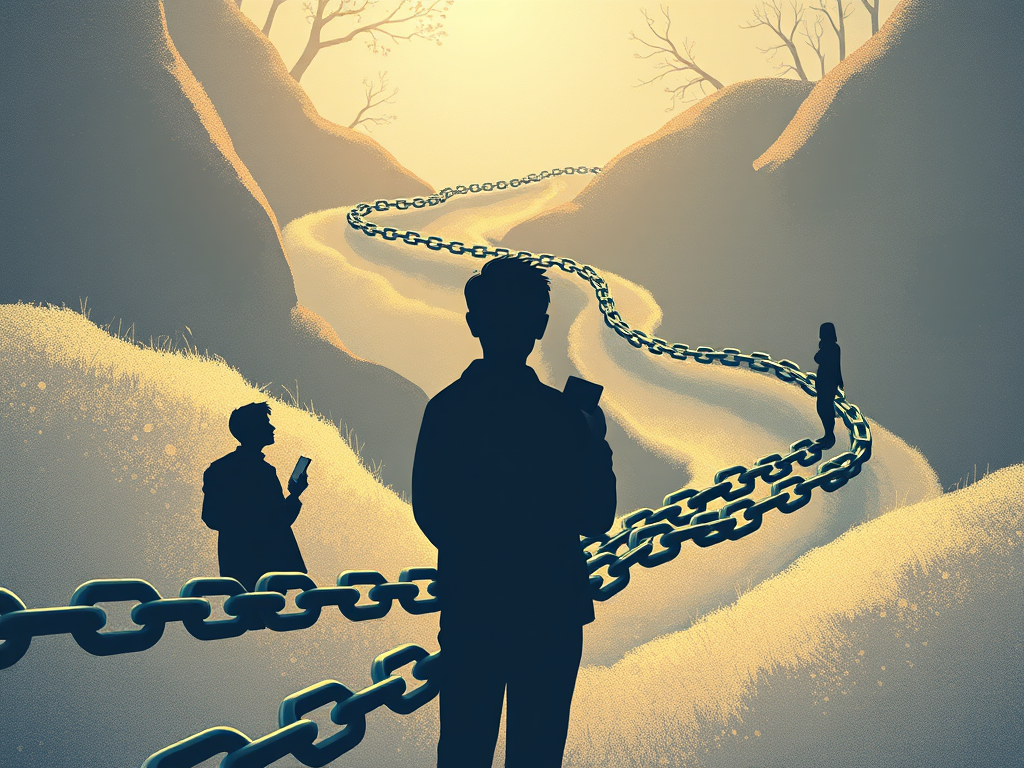
Radical acceptance is often misunderstood as passive resignation or a way of “giving up.” However, it is anything but passive. The act of radically accepting a difficult or painful reality is an active and conscious choice. It requires immense courage and a shift in mindset from a reactive “fight or flight” mentality to one of open acknowledgment. By accepting circumstances for what they are, rather than what we wish they would be, we free ourselves from the emotional suffering that comes from resistance. Pain in life is inevitable—whether it’s the loss of a loved one, personal failure, or unfulfilled desires—but suffering, which results from our refusal to accept that pain, is optional.
The emotional energy we expend on resisting things we cannot change only heightens our distress. Radical acceptance, therefore, is about letting go of the internal struggle, thereby reducing unnecessary suffering. This does not mean that the pain goes away. Rather, we learn to coexist with the discomfort in a healthier way, one that allows us to live with more emotional peace.
The futility of resistance
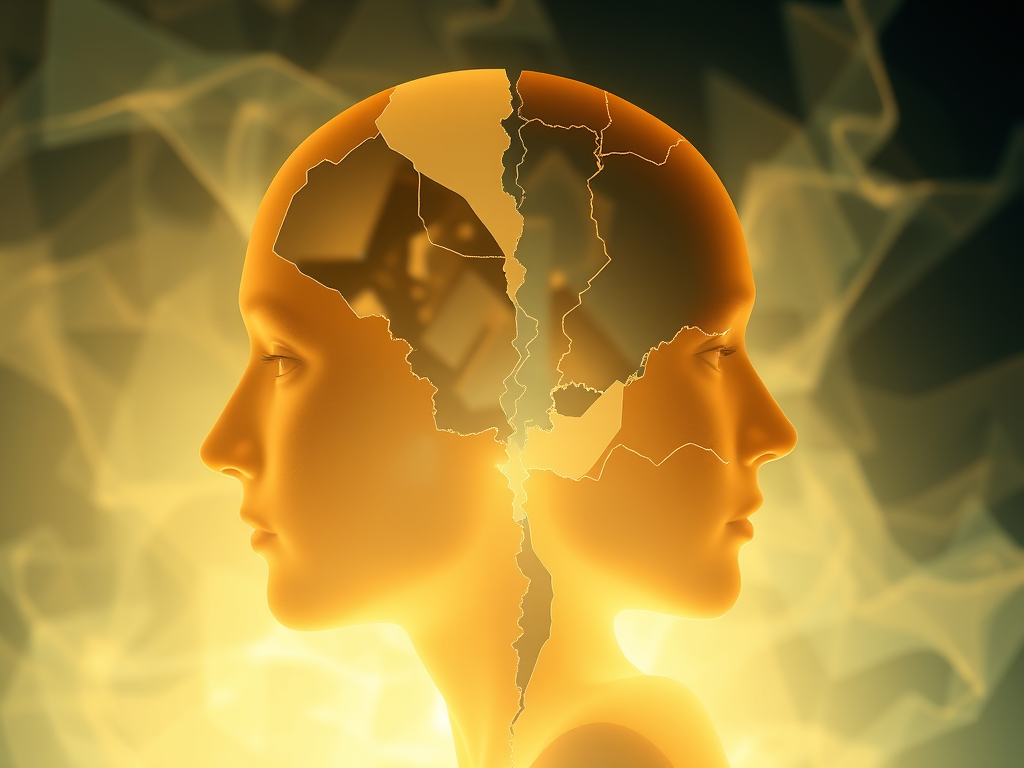
One of the main obstacles to radical acceptance is our ingrained tendency to resist. Society often conditions us to believe that we are in control of our circumstances, or that, through enough effort, all negative situations can be avoided or overcome. When life inevitably presents us with situations that we cannot control, we may fall into patterns of denial, anger, or avoidance. We refuse to accept painful truths, whether it’s about illness, aging, death, relationships, or the basic unpredictability of life. This resistance, far from protecting us, only intensifies our suffering, creating an internal conflict that leads to greater psychological and emotional harm.
Consider a situation where someone is diagnosed with a chronic illness. The reality is that the illness exists, but resisting this fact by becoming consumed with questions of “why me?” or “this shouldn’t be happening” only adds layers of emotional torment to the already challenging physical condition. Radical acceptance, in this context, involves recognizing the illness as part of life, without judgment or resistance. This doesn’t mean giving up on seeking treatment or pursuing wellness; rather, it means surrendering to the fact that, at this moment, this illness is a part of reality.
How radical acceptance works
Radical acceptance begins with awareness. One must first recognize when they are resisting reality—whether through denial, blame, or anger. This awareness alone can be a powerful first step, as it brings the internal struggle to the surface. Once awareness is present, the next step involves consciously choosing to embrace reality as it is. This might mean sitting with feelings of discomfort, sadness, or anxiety without trying to push them away. It is about allowing those emotions to exist, rather than suppressing or escaping them.
There is also a deep element of compassion in radical acceptance. Accepting reality doesn’t mean being indifferent to pain, but rather learning to be kind to oneself in the face of that pain. When we stop resisting what is, we can extend empathy towards ourselves and others, realizing that pain is an inherent part of the human experience. This compassion allows for healing, both emotionally and mentally.
The misconceptions about radical acceptance
One of the biggest misconceptions about radical acceptance is that it encourages passivity. People often fear that accepting reality means doing nothing to improve their circumstances. However, radical acceptance does not negate the possibility of change; it simply acknowledges the present moment without resistance. By accepting reality as it is, we actually become more equipped to make thoughtful, constructive decisions about how to respond. When we stop fighting what we cannot change, we free up mental and emotional energy to focus on the areas of our lives where we can exert influence.
For example, someone going through a breakup might resist the reality of the relationship’s end, clinging to the hope of reconciliation or harboring resentment toward their ex-partner. Radical acceptance would involve acknowledging that the relationship is over, that the pain of the breakup is real, and that wishing for things to be different will not change the outcome. By accepting this reality, they may be able to focus more on their personal growth, rather than staying trapped in a cycle of regret and what-ifs.
Practical applications
While radical acceptance is often easier to grasp in theory, its application in daily life can be more challenging. However, it can be practiced in small steps. Begin by noticing situations where you tend to resist, whether it’s a frustrating traffic jam, a disagreement with a loved one, or the realization of unmet expectations in life. In these moments, ask yourself: “Am I fighting against something I cannot change?” This simple question can be the catalyst for a shift in mindset.
Over time, radical acceptance becomes a practice, one that is continuously refined through self-awareness and mindfulness. While it does not eliminate pain or difficulty, it does soften the emotional blows by helping us to relinquish the struggle against reality. Through this process, we gain resilience, emotional clarity, and ultimately, a deeper sense of peace in a world that is often unpredictable and challenging.
Radical acceptance is not about embracing complacency but about learning to engage with life as it truly is. It allows us to live more authentically, with a deep recognition of both the beauty and the pain that come with the human experience.






Leave a Reply