
However, there have been concerns and studies investigating the potential for side effects beyond the injection site. Botox can, in rare cases, spread to other parts of the body, including muscles farther away from the injection site. This could potentially lead to unintended effects such as muscle weakness or issues with swallowing or breathing. In extremely rare cases, it could theoretically lead to more systemic issues if too much spreads.
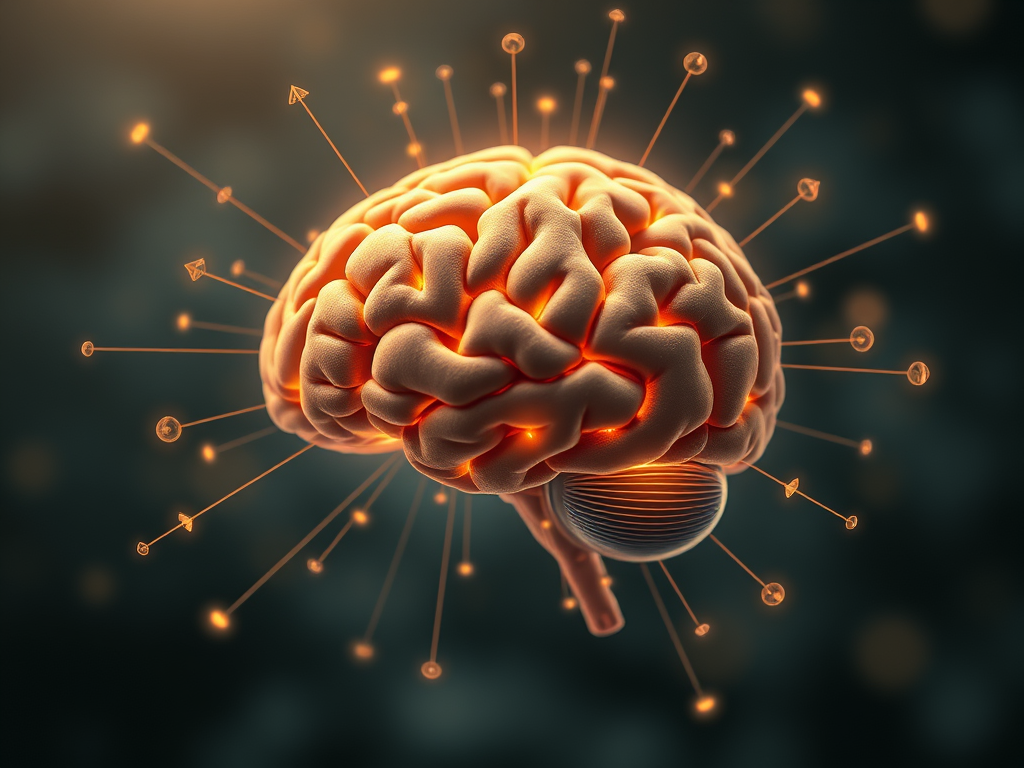
As for its direct effects on the brain, Botox does not cross the blood-brain barrier, meaning it shouldn’t affect brain function in a significant way. Some studies, however, have explored potential indirect effects on mood. For example, there have been discussions about whether reducing facial expressions (such as frowning) may influence emotional feedback mechanisms, possibly reducing feelings of depression. This is an area of active psychological and neurological research, but it’s still largely theoretical.






Leave a Reply