
The Middle Way serves as a guiding principle across various cultures and philosophies, advocating for balance and moderation in life. While many associate this concept primarily with Buddhism, its roots and applications extend far beyond. From ancient Greece to modern existentialism, the idea of finding a harmonious path resonates throughout human thought.
The Middle Way in Buddhism
Buddhism introduces the Middle Way as a path between the extremes of indulgence and asceticism. Siddhartha Gautama, the historical Buddha, emphasized this balance after experiencing both the lavish life of a prince and the hardships of extreme self-denial. The Eightfold Path serves as a practical guide within this framework, encouraging ethical conduct, mental discipline, and wisdom. This pursuit of harmony embodies the essence of the Middle Way, inviting practitioners to cultivate awareness and moderation in all aspects of life.
Stoicism and the art of moderation
Stoicism, an ancient Greek philosophy, also promotes the idea of moderation. Stoics like Epictetus and Seneca taught that individuals should strive to maintain a balanced emotional state, avoiding both excessive joy and profound despair. This approach emphasizes rationality and self-control, encouraging followers to find peace amidst life’s challenges. The Stoic practice of reflecting on one’s thoughts and actions mirrors the introspective nature of the Middle Way, reinforcing the importance of equilibrium in navigating life’s complexities.
Taoism and natural harmony
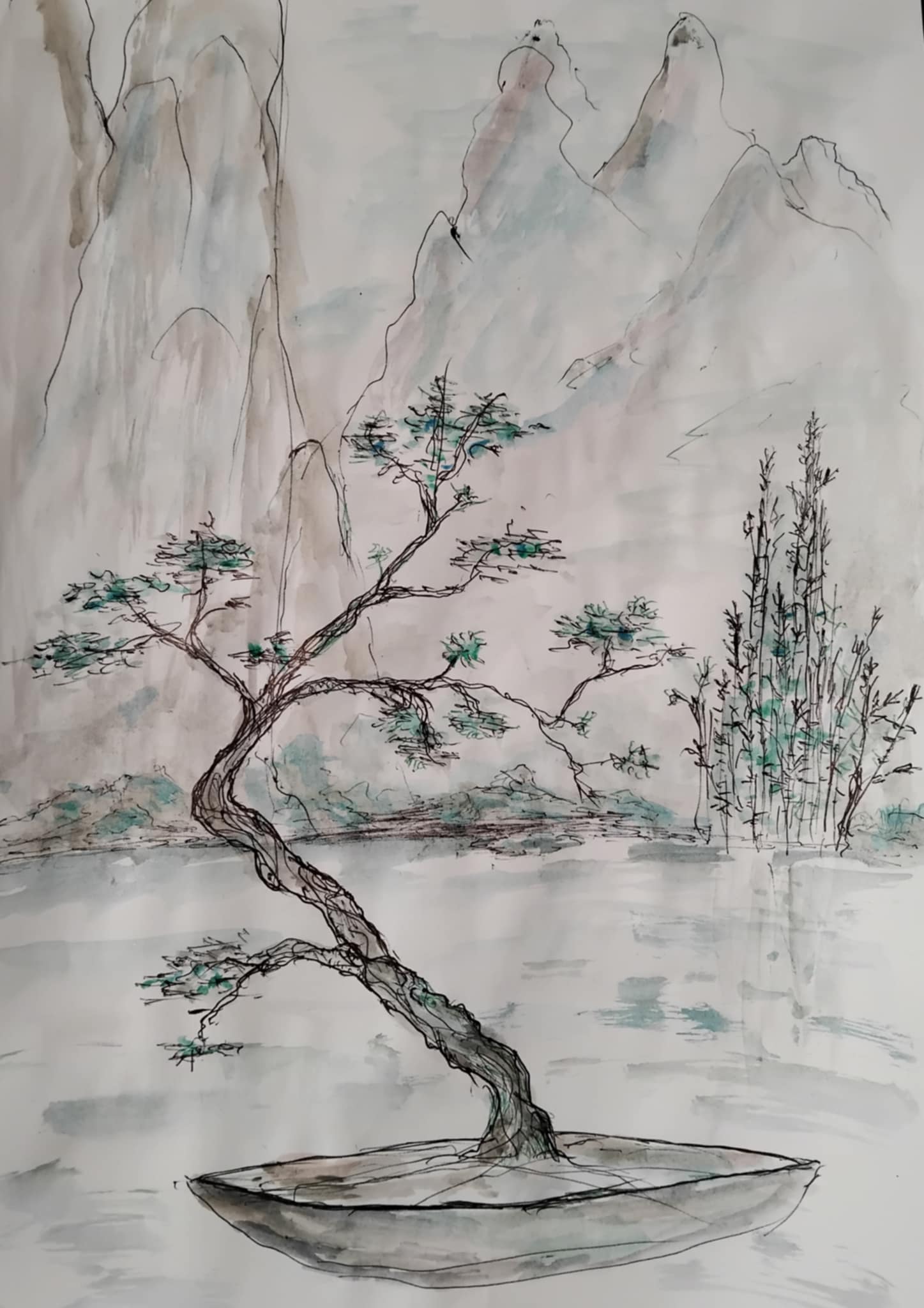
In Taoism, the Middle Way manifests as the principle of Wu Wei, or effortless action. This philosophy advocates for living in harmony with the natural flow of the universe. Laozi, the founder of Taoism, encourages followers to embrace simplicity and spontaneity, avoiding rigid structures and excessive striving. This concept echoes the Middle Way, emphasizing balance and the importance of aligning oneself with the rhythms of nature. The Taoist perspective invites individuals to cultivate an inner sense of peace by observing the world around them without force or contention.
The Golden Mean in Aristotelian ethics
Aristotle’s notion of the Golden Mean also resonates with the Middle Way. He posited that virtue lies between extremes, advocating for a balanced approach to ethics. Aristotle believed that individuals should seek moderation in their desires and actions, fostering a well-rounded character. This philosophical stance underscores the idea that the pursuit of virtue requires conscious effort to maintain equilibrium, much like the principles of the Middle Way in Buddhist thought.
Existentialism and the search for meaning
In the realm of existentialism, philosophers like Jean-Paul Sartre and Albert Camus grapple with the complexities of human existence. While they often emphasize individual freedom and choice, they also advocate for a balanced approach to life’s inherent absurdities. The quest for meaning amidst chaos reflects a modern interpretation of the Middle Way, as individuals navigate their paths through authenticity and self-awareness. Embracing the struggle without succumbing to nihilism allows one to cultivate a sense of purpose while maintaining a middle ground between despair and hope.
A Jungian perspective on the Middle Way
From a Jungian perspective, the Middle Way embodies the process of individuation, where one seeks to integrate the conscious and unconscious aspects of the psyche. Carl Jung emphasized the importance of balance in the personality, advocating for the recognition and acceptance of both light and shadow. The Middle Way resonates with Jung’s belief that true wholeness arises from embracing the complexities of our nature, allowing for personal growth. This integration fosters harmony within the self, facilitating a path toward meaningful existence.
The universal quest for balance
The Middle Way transcends cultural and philosophical boundaries, embodying a universal quest for balance and harmony. By embracing the richness of diverse perspectives, we can deepen our understanding of the Middle Way and its profound implications for personal and collective growth.



Leave a Reply