
The role of human relationships in healing holds a central place in the teachings of Rollo May, one of the most profound existential psychologists. He believed that emotional well-being and human connection were inseparable. In a world growing increasingly individualistic, May’s perspective becomes crucial to understanding how we can foster meaningful growth and overcome despair. It can also help to better understand the concept of emotional intelligence.
Understanding May’s existential approach
Rollo May emphasized the inevitability of struggles in life. For him, challenges were not something to avoid but opportunities for growth. Yet, these struggles became unmanageable when isolation dominated. He argued that alienation fuels despair, cutting us off from the vitality that relationships bring. To truly heal, individuals must connect—not only with others but also with themselves and their communities.
May framed relationships as life’s scaffolding, where intimacy and understanding create space for courage and creativity. He once wrote, “Love is the capacity to take care, to preserve, and to protect.” This statement underscores how authentic connection enables individuals to feel secure, even amidst uncertainty.
The healing potential of relationships
In May’s view, human connection serves as a transformative force, particularly for those experiencing emotional turmoil. Interactions encourage individuals to face vulnerabilities, rather than withdrawing into loneliness. According to May, isolation stifles growth because it denies the opportunity to confront life’s paradoxes within a relational framework. In interactions, we build the strength to engage authentically with life’s complexities.
When people interact meaningfully, they experience affirmation—a sense of being truly seen and heard. This validation helps individuals process emotional pain, reducing the isolation that often breeds hopelessness. Healing through connection requires no grand gestures; even the presence of someone who listens with empathy can rekindle the capacity to cope.
Aligning with humanistic ideals
May’s ideas resonate deeply with the humanistic tradition, which views people as inherently driven toward connection and meaning. He believed that when individuals engage authentically, they foster shared growth. This mutual healing reflects the essence of being human. In his words, “Freedom is the capacity to pause between stimulus and response.” While freedom invites responsibility, it flourishes when people share their burdens and joys.
May and Jung
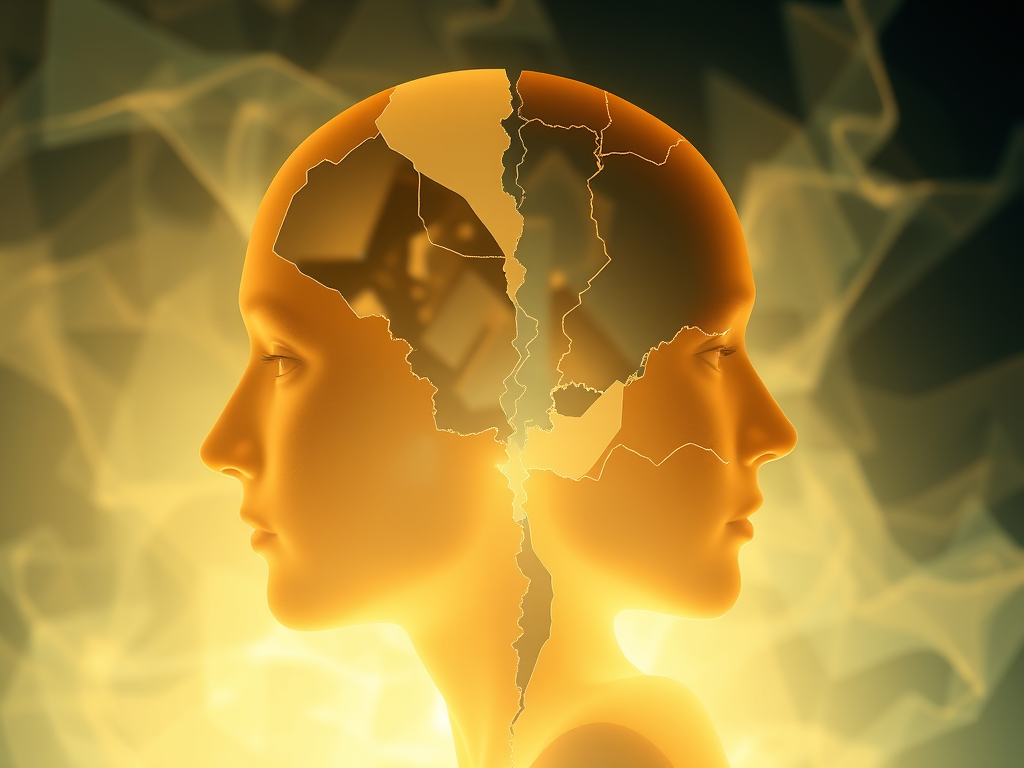
Rollo May and Carl Jung shared a profound understanding of the human psyche, emphasizing the interplay between individual growth and collective relationships. While May focused on the existential need for connection to overcome despair, Jung explored the archetypal patterns within the unconscious that drive our relational dynamics. Both viewed authentic relationships as mirrors reflecting our deepest selves, helping us confront and integrate our inner conflicts. May’s belief in the transformative power of connection aligns with Jung’s idea of individuation, where engaging with others fosters self-awareness and wholeness.
Lessons for today’s challenges
In an era where digital interactions often replace face-to-face connections, May’s insights urge us to reassess our priorities. Authentic relationships cannot be replicated through a screen. The richness of human connection requires presence, vulnerability, and mutual effort. Cultivating deeper ties enhances resilience, strengthens emotional well-being, and provides an essential pathway for healing.
May’s legacy calls us to embrace the therapeutic value of connection. In the face of loneliness or low spirits, the act of reaching out serves not only as a remedy but also as an affirmation of life’s potential for renewal.




Leave a Reply