
Jacques Lacan stands as one of the most challenging yet rewarding figures in psychoanalysis. His work builds on Freud’s theories while introducing a complex yet brilliant vision of the human psyche. Lacan argued that the unconscious is not just a repository of hidden desires but “structured like a language” (Écrits, 1966). From this perspective, we begin to understand how language shapes our identity and inner conflicts.
The symbolic, imaginary, and real
Lacan divided the psyche into three interrelated orders: the Symbolic, the Imaginary, and the Real. Each plays a crucial role in how we experience the world. The Symbolic encompasses language, societal structures, and cultural codes that define who we are. We navigate meaning through language, but it also limits us. Lacan emphasized, “Man speaks, but it is because the symbol has made him man” (The Seminar of Jacques Lacan, 1973). This reminds us to explore how societal norms influence our psyche.
The Imaginary is tied to our self-image and perception of others. It arises during early development when we recognize ourselves in mirrors and relationships. This can lead to illusions of wholeness or idealized versions of ourselves. Through the Imaginary, we form a sense of identity but often misrecognize who we truly are.
The Real is the realm of experiences that resist articulation or understanding. It represents what lies beyond language and our symbolic structures. The Real confronts us with life’s unexplainable truths—pain, desire, and mortality.
The mirror stage and identity
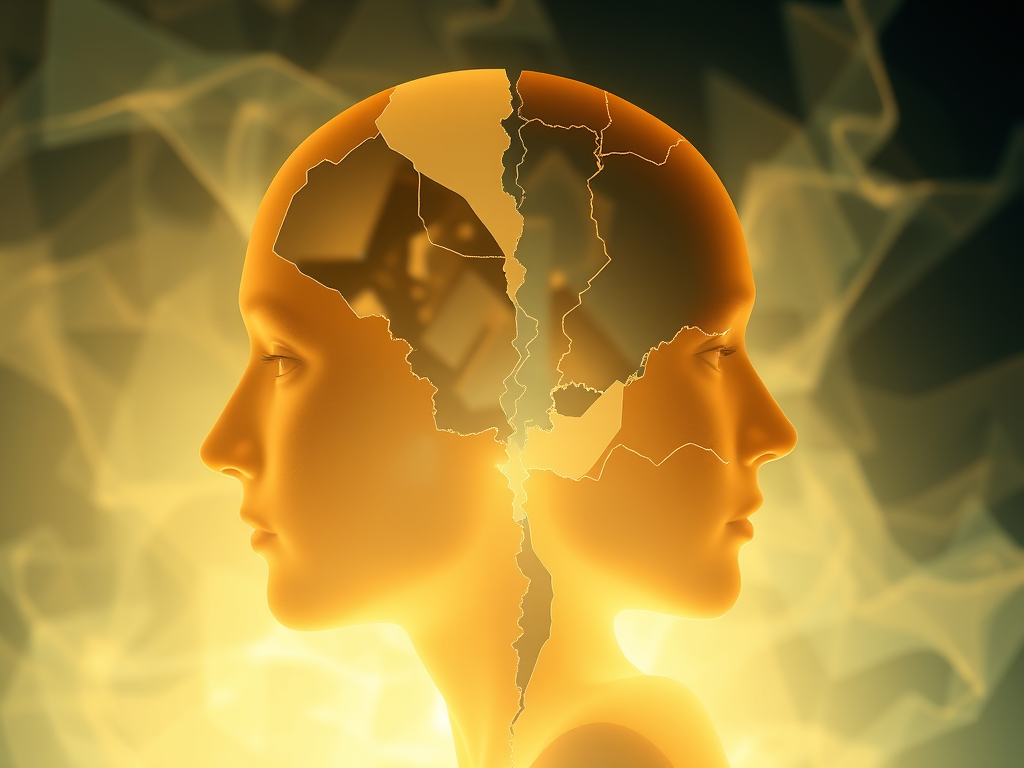
One of Lacan’s most well-known theories is the mirror stage, which explores how we come to recognize ourselves. During this phase, we form an image of our body and individuality, often idealizing this reflection. However, this creates tension, as we simultaneously feel fragmented compared to this ideal.
Desire and the lack at the heart of our being
Central to Lacan’s thought is the concept of desire. For Lacan, desire originates from a fundamental lack—a sense of incompleteness that we attempt to fill through others, objects, or achievements. However, the fulfillment of desire remains elusive, as the lack is structural, not solvable. “Desire is the desire of the Other,” Lacan famously stated, illustrating how we seek recognition from others to define ourselves. This prompts us to examine our motivations and whether they are truly our own.
The importance of understanding the unconscious
Lacan revolutionized Freud’s view of the unconscious by linking it with language. He argued that unconscious desires emerge through speech, dreams, and slips of the tongue. This invites us to pay attention to what we say and how language unconsciously reveals hidden truths.
Lacan’s ideas compel us to rethink how we understand ourselves, our relationships, and society. By exploring the Symbolic, we uncover how societal norms and language shape our sense of self. Reflecting on the Imaginary can help us identify illusions and ideals that hinder growth. Engaging with the Real teaches us to confront life’s unavoidable uncertainties with resilience. Finally, Lacan’s insights on desire and the unconscious push us to question the true sources of our motivations. His work continues to offer profound lessons for self-awareness and personal transformation.





Leave a Reply