
Narratives do not merely entertain or inform; they shape the essence of who we are. The concept of narrative identity delves into how individuals construct and sustain a sense of self through stories. These personal narratives intertwine memory, imagination, and lived experience, serving as the architecture of consciousness itself. Philosophers like Paul Ricoeur, along with psychologists such as Dan P. McAdams, have deeply explored this intersection. Beyond them, newer voices in cognitive science and phenomenology contribute to the growing recognition of narrative identity as central to the human experience.
Stories as the mirror of selfhood
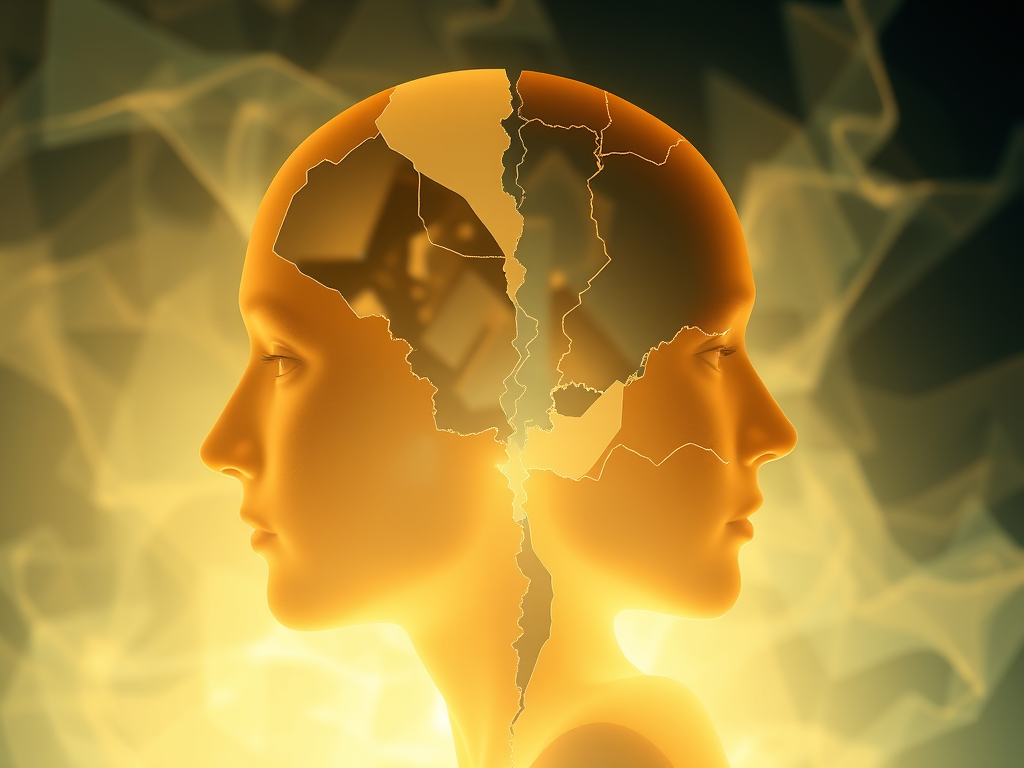
Personal identity emerges through storytelling, weaving events and emotions into a coherent whole. Ricoeur argues that this narrative structure allows individuals to mediate between the scattered and fluid nature of lived experience and the desire for unity in self-understanding. “A life story,” he writes, “receives its sense from the unity of the story composed.” Ricoeur’s notion of emplotment highlights how narratives transform fragmented experiences into meaningful patterns, enabling us to perceive our lives not as disjointed events, but as integrated journeys.
Exploring the relationship between narrative identity and consciousness opens questions about meaning and existence. Ricoeur famously connected narrative to time, suggesting that narratives reconcile the human desire for permanence with the transient nature of life. Through storytelling, individuals imbue their finite lives with a sense of lasting significance.
McAdams’ psychological approach to identity
McAdams posits that life stories serve as frameworks through which individuals define their sense of purpose and direction. “Narrative identity provides the inner story of a life,” he explains. Through this lens, stories do not merely document life but actively create it. People forge these stories to make sense of their choices, values, and aspirations, giving consciousness a reflective and dynamic quality.
Furthermore, McAdams emphasizes how constructing redemptive narratives—stories where negative events lead to positive transformation—anchors hope and resilience. “It’s not just about surviving but about transcending,” he explains. These narratives give consciousness a transformative quality, helping people confront mortality and uncertainty.
Consciousness as a narrative process
Recent advancements in cognitive neuroscience suggest that narrative processes might underlie the very structure of consciousness. The brain, in processing experiences, does not act as a passive repository but organizes inputs in ways that form meaningful wholes. This tendency aligns with how people naturally tell stories to bridge past events, current feelings, and future intentions.
Anouk Keizer, a cognitive scientist, suggests that consciousness itself relies on narrative-like constructions to navigate complexity. “The act of narrating,” she notes, “embeds us in a world of temporality, connecting moments of experience into a continuum we call self-awareness.” Consciousness thrives on this continuity, drawing threads across time to form the persistent idea of “I.”
The implications extend into therapy and self-development, where consciously reshaping narratives empowers individuals to heal, grow, and adapt. For instance, Michael White’s narrative therapy emphasizes externalizing problems and reconstructing personal stories in ways that realign with an individual’s values. This therapeutic process not only alters emotional states but reshapes the architecture of consciousness itself, reinforcing the power of narrative to influence our sense of self.
Challenges in understanding narrative identity
While narratives create coherence, they also impose constraints. Philosopher Galen Strawson critiques the narrative approach by suggesting that not all individuals experience life as a linear, story-like construct. For some, selfhood emerges from isolated, vivid moments rather than sustained narratives. “Lives can be episodic,” he asserts, “without diminishing their meaning or intensity.” This critique pushes us to question whether narrative identity serves as a universal framework or if it reflects one of many possible modes of consciousness.
Additionally, cultural variations shape the narratives individuals construct, as they are deeply influenced by societal norms, collective memories, and shared mythologies. Anthropologists like Clifford Geertz have highlighted how culture informs the kinds of stories people tell about themselves. In this sense, narrative identity might differ dramatically across individuals, rooted not just in personal experience but in the fabric of social environments.
Narratives as the bridge between self and world
The interplay between narrative identity and consciousness reflects the human need to connect the inner and outer worlds. Narratives do not arise in isolation but grow through engagement with others. Hannah Arendt notes the relational aspect of storytelling: “Who we are,” she argues, “becomes intelligible only through the stories we tell about ourselves to others.” In this sense, narrative identity not only fosters self-understanding but deepens interpersonal connections by inviting others into the ongoing construction of our lives.
The evolving landscape of narrative identity
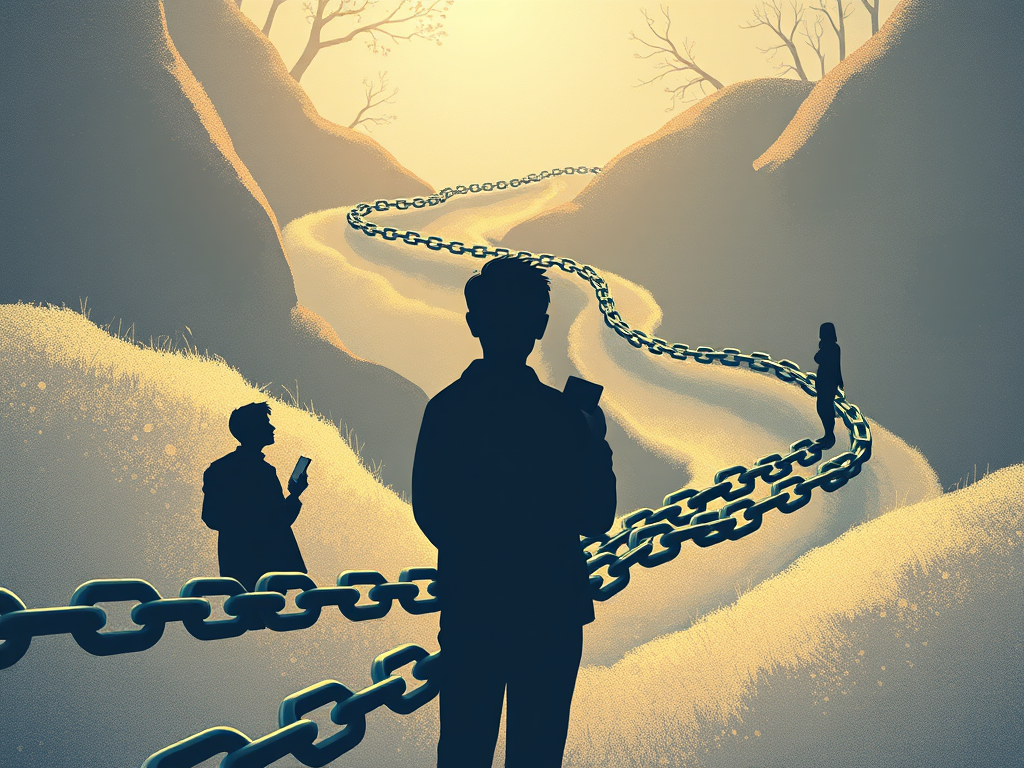
Future explorations of narrative identity and consciousness will likely draw on multiple disciplines, including AI research, phenomenology, and quantum cognitive models. As digital media redefines how people present their stories, emerging questions will address how narrative identity changes in response to evolving technologies. Does constructing one’s story in fragmented, curated formats on social platforms dilute its coherence, or does it offer new ways to integrate self-expression into collective spaces?




Leave a Reply