This is a article written in both English and Spanish
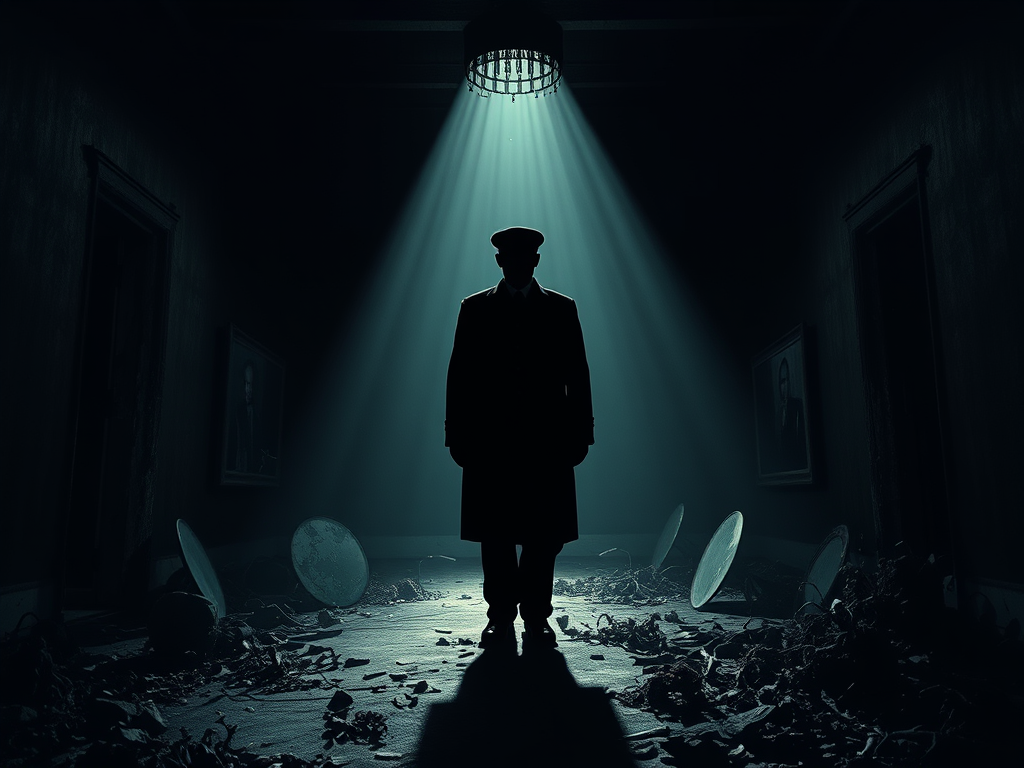
The long shadow of power rarely retreats quietly. In The Autumn of the Patriarch, Gabriel García Márquez crafted a fictional dictator whose presence over time blurred the line between man and myth. Drawing on real authoritarian figures from Latin America and beyond, Márquez distilled the essence of absolute rule into a surreal narrative of solitude, delusion, and decay.
Among those who might have influenced his portrayal was Joseph Stalin, whose dominance over the Soviet Union offered a brutal model of power preserved through fear, manipulation, and cult of personality. Márquez did not write a biography of Stalin, yet the echoes of Stalinist methods and mentality are woven throughout his novel.
Stalin’s patriarch archetype
Stalin consolidated authority through purges, propaganda, and the systematic erasure of dissent. His control extended to the very thoughts of his people, as state censorship and ideological enforcement reshaped collective memory. Like Márquez’s patriarch, Stalin thrived in an atmosphere where truth lost its grounding and where the machinery of the state served the ego of one man. The dictator in the novel exists beyond time, with decades folding in on themselves, similar to how Stalin’s rule felt eternal to those who lived through it. The omnipresent fear, the rewriting of history, and the illusion of immortality mark the overlap between the real and the fictional.
The delusion of eternal power
Márquez presented a leader who believed in his own permanence. Stalin also cultivated a legacy designed to survive him, yet both figures reveal a tragic paradox: the more they controlled, the more isolated they became. The patriarch in the novel speaks to animals and confides in hallucinations, his mind detached from the world he governs. Stalin in his final years lived in increasing paranoia, fearing those closest to him. What connects them is the psychological decay that follows unchecked authority. The line between protector and destroyer vanishes.
Mental disorder and political disorder
The fragmented style of The Autumn of the Patriarch mimics the disordered reality of tyrannical regimes. Stalin’s Soviet Union often contradicted itself—promoting peace while purging allies, demanding loyalty while breeding mistrust.
Márquez structured his novel without conventional chapters or clear timelines, drawing readers into a vortex of repetition and unreliability. That literary chaos resembles the confusion under Stalin, where policies shifted abruptly, alliances reversed, and narratives changed overnight. The novel does not mention Stalin directly, but the logic of Stalinism—its self-justifying cruelty and its disdain for human life—is deeply present.
Power as theatre
Stalin and Márquez’s patriarch both turned politics into spectacle. Public appearances, orchestrated adoration, and the silence of those around them served to reinforce control. Yet behind the curtain, both figures remained fundamentally alone. The weight of ultimate authority comes with suspicion, betrayal, and psychological implosion. Márquez understood that tyranny corrodes from within. Stalin, increasingly distrustful in his final days, reportedly died alone, incapacitated while his guards waited for orders they feared to invent.
The novel The Autumn of the Patriarch is far from being a literal representation of Stalin’s life, but it reflects the emotional and political landscape of authoritarian regimes.
The patriarch’s endless reign and his descent into paranoia mirror what absolute control looks like when stripped of ideology. Stalin may have ruled a superpower, while Márquez’s tyrant governs a nameless Caribbean state, but both are part of the same traits of dictatorship.
Same article in Spanish
Stalin y El otoño del patriarca
La larga sombra del poder casi nunca se retira en silencio. En El otoño del patriarca, Gabriel García Márquez creó un dictador ficticio cuya presencia, con el paso del tiempo, disolvió los límites entre el hombre y el mito. Inspirado principalmente en figuras autoritarias de América Latina, Márquez destiló la esencia del poder absoluto en una narrativa surrealista de soledad, delirio y descomposición.
Entre las posibles influencias secundarias de su retrato figura Iósif Stalin, cuyo dominio brutal sobre la Unión Soviética ofrecía un modelo de control sostenido mediante el miedo, la manipulación y el culto a la personalidad. Márquez no escribió una biografía de Stalin, pero ciertas técnicas estalinistas y su lógica mental resuenan en los pliegues de la novela.
El arquetipo patriarcal de Stalin
Stalin consolidó su autoridad a través de purgas, propaganda y la eliminación sistemática del disenso. Su dominio alcanzó incluso el pensamiento de la población, ya que la censura estatal y la imposición ideológica reconfiguraron la memoria colectiva. Al igual que el patriarca de Márquez, Stalin prosperó en un entorno donde la verdad se desdibujaba y donde el aparato del Estado se subordinaba al ego de un solo hombre. El dictador de la novela parece existir fuera del tiempo, con décadas que se pliegan sobre sí mismas, como la sensación de eternidad que marcó el régimen estalinista para quienes lo vivieron. El miedo constante, la manipulación de la historia y la ilusión de inmortalidad acercan lo real a lo ficticio.
La ilusión del poder eterno
Márquez mostró a un líder convencido de su propia permanencia. Stalin también trabajó para dejar un legado que lo trascendiera, pero ambos terminan atrapados en la misma paradoja trágica: cuanto más controlaban, más aislados quedaban. El patriarca conversa con animales y confía en alucinaciones, su mente ya desconectada del mundo que gobierna. En sus últimos años, Stalin vivió dominado por la paranoia, temiendo a sus colaboradores más cercanos. Lo que los vincula es el deterioro psicológico que acompaña al poder sin límites. La línea entre protector y destructor desaparece.
El desorden mental y el desorden político
El estilo fragmentado de El otoño del patriarca imita la realidad caótica de los regímenes tiránicos. La Unión Soviética bajo Stalin vivía en contradicciones constantes: promovía la paz mientras eliminaba aliados, exigía lealtad mientras fomentaba la desconfianza. Márquez construyó su novela sin capítulos convencionales ni cronología establecida, arrastrando al lector a un remolino de repeticiones y ambigüedad. Ese caos narrativo refleja la confusión de la era estalinista, con políticas que cambiaban de un día para otro, alianzas que se invertían, y relatos oficiales que se reescribían. La novela no menciona a Stalin de forma directa, pero la lógica del estalinismo—su crueldad justificada por sí misma y su desprecio por la vida humana—está fuertemente presente.
El poder como espectáculo
Tanto Stalin como el patriarca de Márquez convirtieron la política en un espectáculo. Las apariciones públicas, la adoración coreografiada y el silencio de quienes los rodeaban servían para reforzar el control. Pero detrás del telón, ambos estaban fundamentalmente solos. El peso del poder absoluto trae consigo sospechas, traiciones y un colapso psicológico progresivo. Márquez comprendía que la tiranía se corroe desde adentro. Stalin, cada vez más desconfiado, murió en la soledad, incapacitado mientras sus guardias esperaban instrucciones que temían inventar.
El otoño del patriarca está lejos de ser una representación literal de la vida de Stalin, pero refleja el paisaje emocional y político de los regímenes autoritarios. El reinado interminable del patriarca y su caída en la paranoia muestran lo que ocurre cuando el control total se despoja de toda ideología. Stalin gobernó una superpotencia; el tirano de Márquez un país caribeño sin nombre. Sin embargo, ambos encarnan el mismo patrón esencial de la dictadura.


Leave a Reply