-
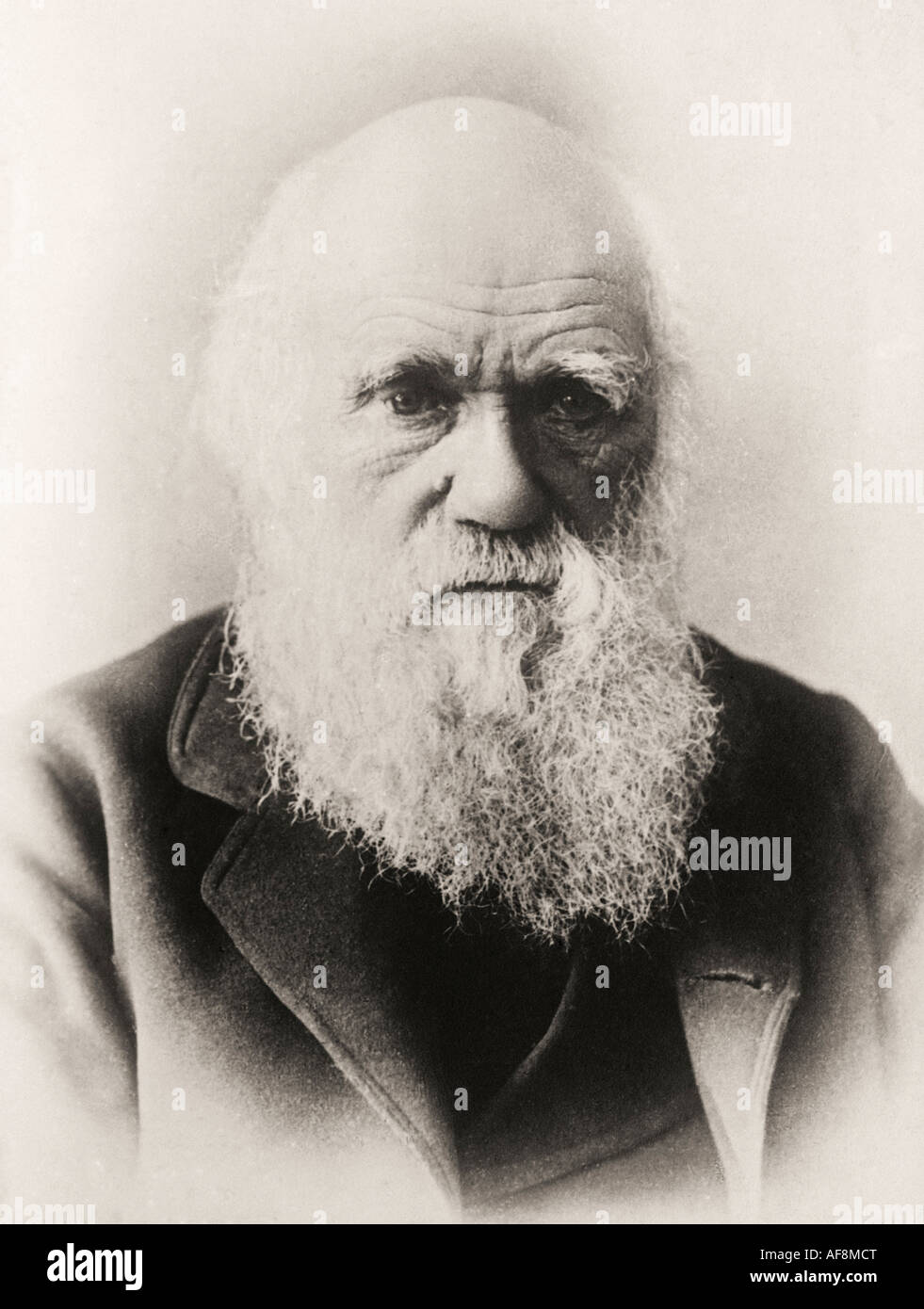 Continue reading →: Darwin’s avoidance
Charles Darwin, the English naturalist whose work reshaped modern biology, offers a clear example of how avoidance can influence us when a task feels heavy or uncertain. For many years he developed his ideas on evolution, drawing on observations from his voyage on the Beagle and filling notebooks with evidence,…
-
 Continue reading →: A Jungian approach to chaironic happiness
Chaironic happiness, developed by Paul Wong, describes a form of well-being that emerges not from pleasure, comfort, or external success, but from integrating suffering, discovering meaning through it, and experiencing joy that coexists with sorrow. Wong frames it as the outcome of tragic optimism: life contains unavoidable suffering, meaning remains…
-
 Continue reading →: The Limits of AI in Grasping Wisdom
I requested the AI to generate a text about wisdom. The intention behind this request was to confront the AI with a domain that is fundamentally human, where understanding emerges not from processing information or recognizing patterns, but from lived experience, reflection, and an intuitive integration of knowledge and context.…
-
 Continue reading →: The dark sides of zealotry
The post explores the concept of zealotry through Wilhelm Reich’s book, The Little Man, highlighting how insecurity and a desire for certainty can drive individuals toward authoritarian movements. It examines historical patterns of zealotry, illustrating how fear-based conviction can lead to oppression, and draws parallels to contemporary political culture where…
Dr. Victor Bodo

Psychiatrist with a profound interest in consciousness, committed to fostering personal growth, success, and well-being. Exploring the intricate facets of the mind provides valuable insights into enhancing our shared human experiences.
Let’s change the world together!
Subscribe for more inspiration and tips!






Get a free excerpt of my new e-book
What is the name of the book?