-
 Continue reading →: AI and the infamous idea stacking
AI-generated text often reads smoothly and persuasively, giving the impression of intelligence, yet upon closer inspection, it frequently lacks genuine reasoning. The structural problem behind this phenomenon is what I would call idea stacking: the tendency to place multiple conclusions side by side without showing how one naturally follows from…
-
 Continue reading →: The “moral virtuosity” of the rule‑zealotry
The interplay between moral purity and rule-zealotry can distort societal ideals. While the desire for principled living is noble, stringent adherence to rules can suppress creativity and initiative. Historical examples demonstrate how zeal for rule-following can stifle inquiry and innovation, ultimately constraining the moral and cultural growth of societies.
-
 Continue reading →: The Role of Time in Consciousness: Kant and Heidegger
Time is not a thing in the world. For Kant, it is the condition of all experience, the lens through which consciousness structures reality. It is not discovered in the external world but imposed by the mind itself. Time, in Kant’s ontology, is a form of intuition, an a priori…
-
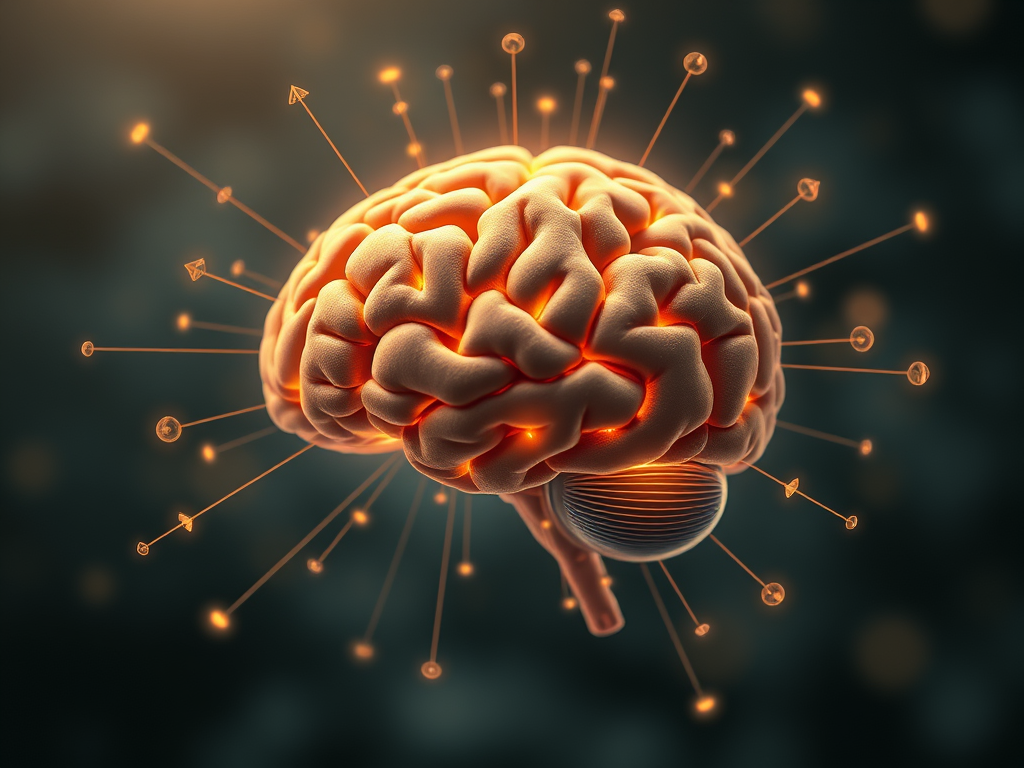 Continue reading →: How the Brain Shapes Our Intentions
Intention is the mind’s capacity to direct itself toward a goal, whether that goal is an action, a thought, or an emotional stance. In our consciousness it is the organising force that turns our aspirations into a directed movement of the mind. In this sense, intention is the commitment of…
Dr. Victor Bodo
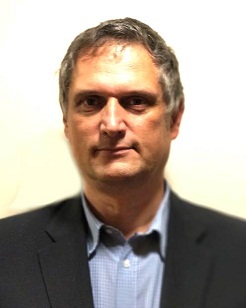
Psychiatrist with a profound interest in consciousness, committed to fostering personal growth, success, and well-being. Exploring the intricate facets of the mind provides valuable insights into enhancing our shared human experiences.
Let’s change the world together!
Subscribe for more inspiration and tips!





Get a free excerpt of my new e-book
What is the name of the book?