-
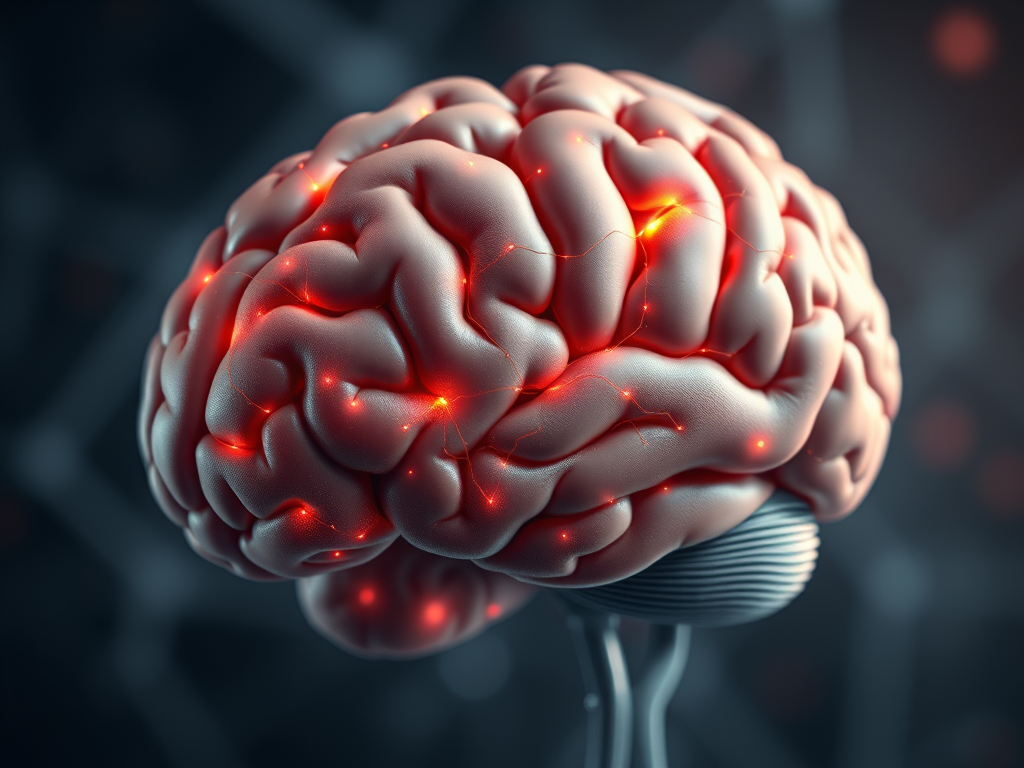 Continue reading →: The prefrontal cortex and behaviour
The prefrontal cortex (PFC) acts as the executive hub of the brain, guiding thought, emotion, and action. Situated at the front of the frontal lobes, it integrates information from sensory areas, memory centers, and emotional networks to coordinate behaviour that aligns with goals and social norms. Influence of the PFC…
-
 Continue reading →: Jung and Han: Embracing Negativity as a Condition for Wholeness
C. G. Jung and Byung-Chul Han both emphasize negativity as essential to human experience. Han criticizes contemporary culture’s lack of resistance and depth, while Jung highlights the role of the shadow and the anima in psychological development. Together, they argue that overcoming negativity erodes true freedom, selfhood, and genuine encounters.
-
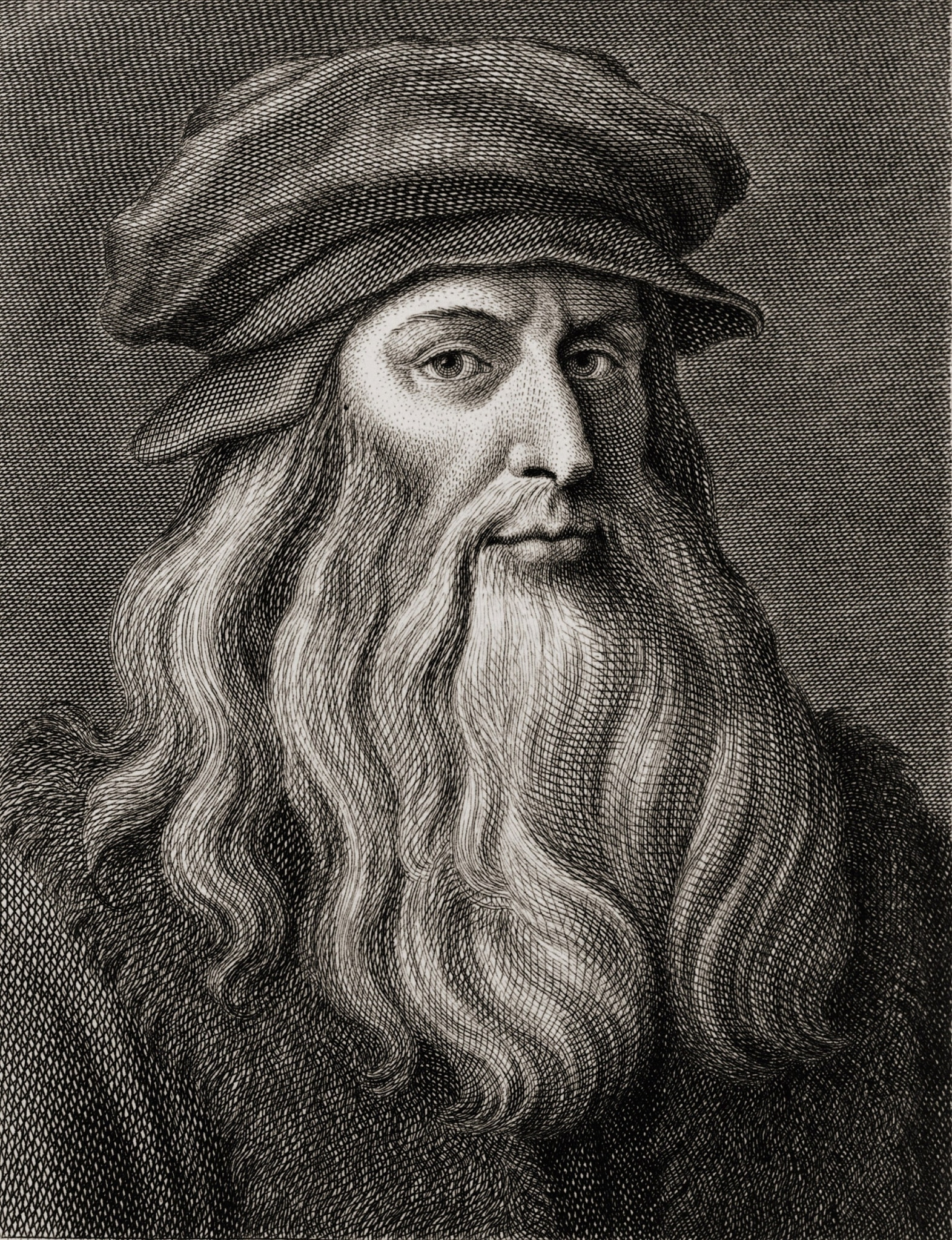 Continue reading →: Leonardo da Vinci’s procrastination
Leonardo da Vinci is one of history’s most fascinating examples of a chronic procrastinator whose habits both hindered and ultimately enriched his creative life. Throughout his early career, he struggled with persistent delays, repeatedly postponing commissions and abandoning projects for months or even years. His notebooks reveal a mind constantly…
-
 Continue reading →: From logotherapy to chaironic happiness
Paul Wong’s concept of chaironic happiness builds on Viktor Frankl’s logotherapy, framing happiness as existential well-being that integrates suffering with meaning and joy. Wong emphasizes acceptance and transformation through suffering, positing that true joy can coexist with grief. This approach redefines well-being as coherence with values and meaning, particularly in…
Dr. Victor Bodo
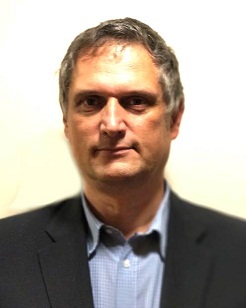
Psychiatrist with a profound interest in consciousness, committed to fostering personal growth, success, and well-being. Exploring the intricate facets of the mind provides valuable insights into enhancing our shared human experiences.
Let’s change the world together!
Subscribe for more inspiration and tips!





Get a free excerpt of my new e-book
What is the name of the book?