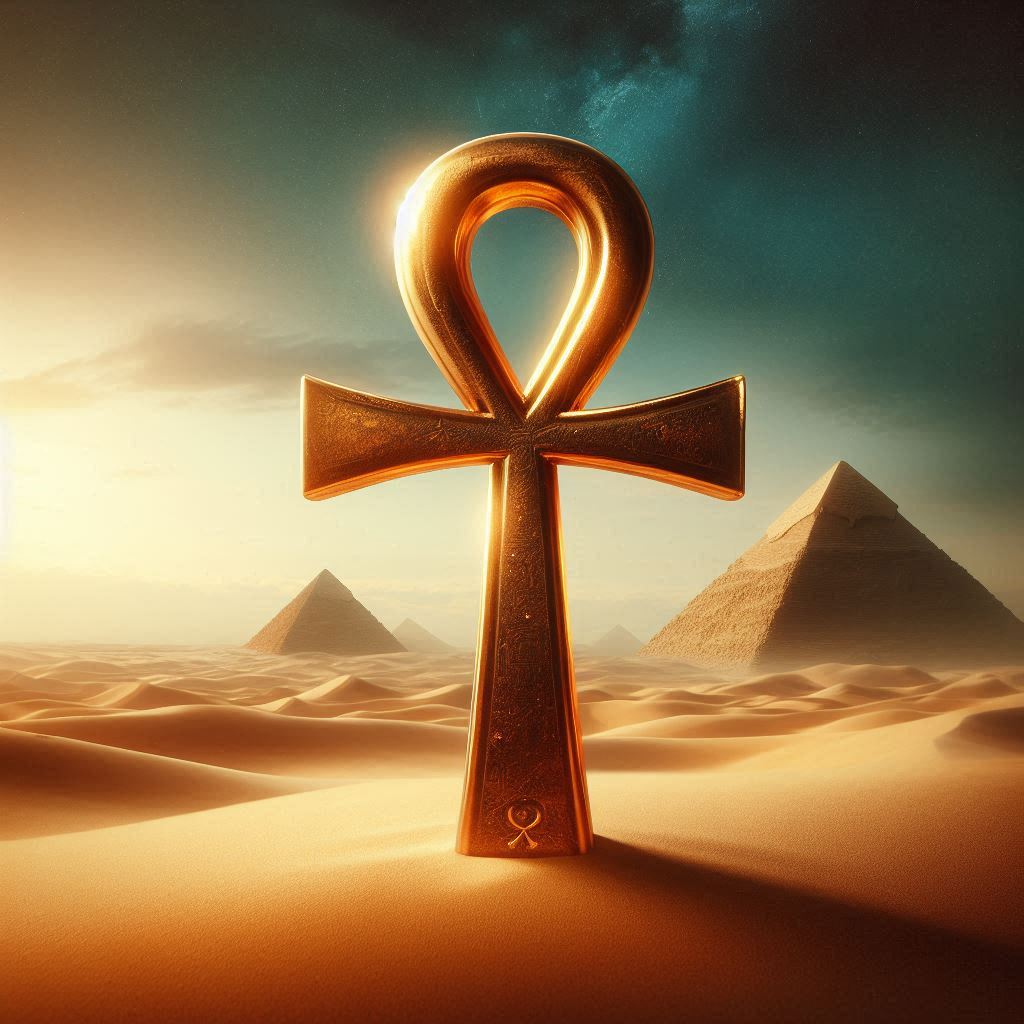
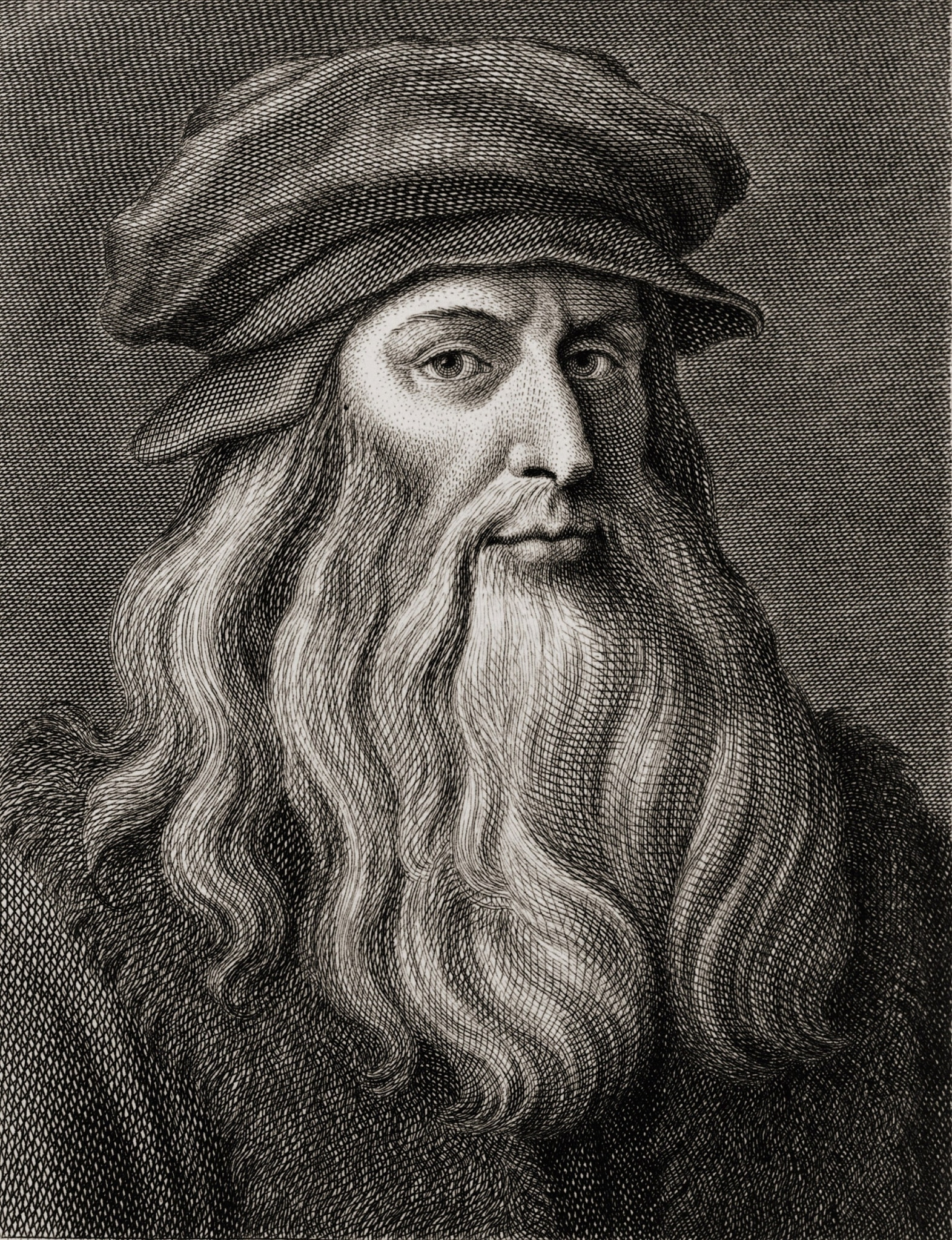
Mircea Eliade was a highly influential Romanian historian of religion, philosopher, and writer, whose work significantly shaped the study of religion in the 20th century. Born on March 9, 1907, in Bucharest, Romania, Eliade was a prolific scholar whose research and writings spanned multiple disciplines, including religious studies, philosophy, history, and literature. He is best known for his studies on the nature of religious experience and his exploration of myth, ritual, symbolism, and the sacred.
Academic background
Eliade’s intellectual journey began with his studies at the University of Bucharest, where he earned a degree in philosophy. He furthered his education in India, where he studied Sanskrit and Indian philosophy, an experience that deeply influenced his later work, particularly his understanding of Eastern religions and mystical traditions.
After returning to Europe, Eliade held academic positions in Romania before moving to the West. During and after World War II, he lived in various countries, including France and Portugal, before eventually settling in the United States. In 1956, he was appointed as a professor at the University of Chicago, where he spent much of his academic career. At Chicago, he became a central figure in the Divinity School and played a key role in establishing the university as a leading center for the study of religion.
Eliade on the ancient Egyptian religion
Mircea Eliade’s exploration of Egyptian religion is an insightful contribution to his broader study of religious phenomena, rooted in concepts like the sacred and the profane, myth, symbolism, and the experience of time. Eliade perceived Egyptian religion as fundamentally centered on the interplay between the sacred and the profane. The Egyptians, in his view, saw their world as a place where divine and human realms intersected, and their religious practices were essential for maintaining this sacred order.
The Egyptians’ creation myths, such as the emergence of the god Atum from the primordial waters of Nun, were not merely stories but were reenactments of the original creative act that established cosmic order. These myths, Eliade believed, were vital to the Egyptians’ understanding of the world and their place within it.
Eliade felt that Egyptian hieroglyphs, architecture, and religious rituals as being rich with symbolic meaning. For example, the pyramid was not just a tomb but a symbol of the primeval mound from which the world was created. In this context, the role of the pharaoh was deeply symbolic: both a divine figure and a mediator between the gods and humans.
He argued that Egyptians believed their rituals allowed them to return to the mythical time of origins, thereby maintaining cosmic order and ensuring the continuity of life, both in this world and the afterlife. This cyclical understanding of time was central to their religious experience.
The elaborate funerary practices, including mummification and the construction of tombs, ensuring the deceased’s safe journey to the afterlife and their eventual identification with the gods. In this way, the Egyptians sought to transcend the profane world and achieve a form of immortality.
The pharaoh
The pharaoh was a god on earth, embodying both divine and human qualities. His role was essential for maintaining Ma’at, the concept of cosmic order, and his reign was a reflection of the sacred cosmos itself.
Concluding remarks
Eliade’s study of Egyptian religion is part of his broader thesis on the nature of religious experience, where he identified recurring archetypal symbols and myths across different cultures.
In the rich tradition of Egyptian religion, he saw many of the universal themes he explored in his work, such as the cyclical nature of time, the significance of sacred space, and the transformative power of ritual.
For Eliade, Egyptian religion was a sophisticated system that expressed humanity’s deep engagement with the sacred, the cosmos, and the divine through a complex interplay of myths, symbols, and rituals.





Leave a Reply