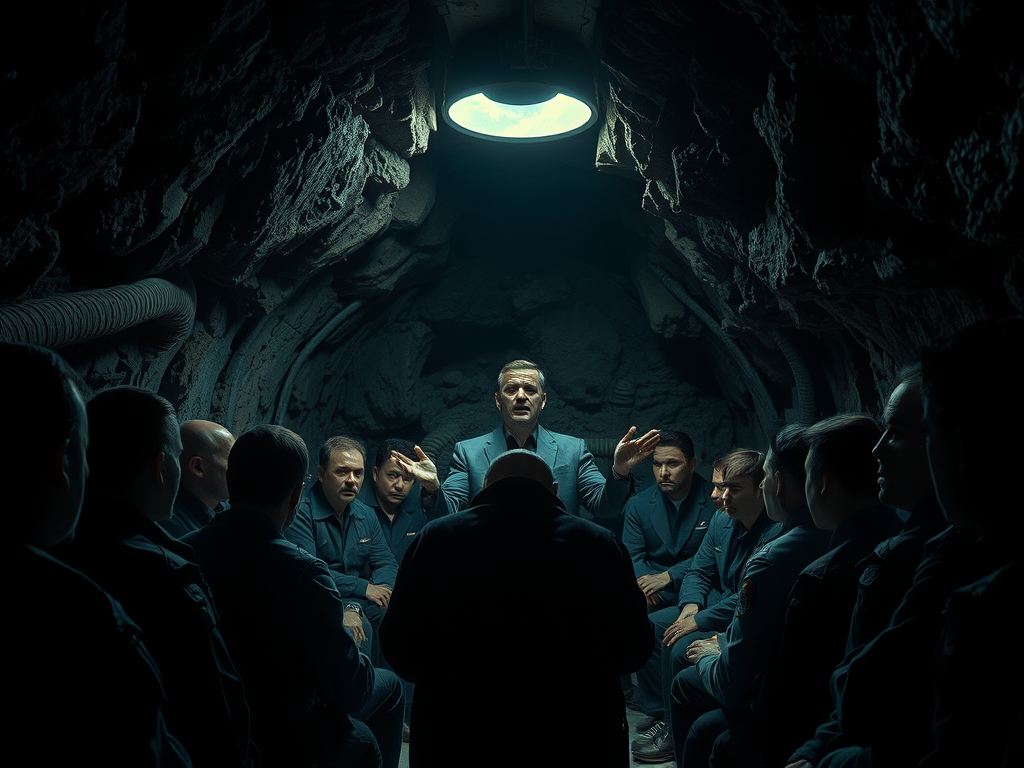
The Penultimate Truth is a novel written by Philip K. Dick and released in 1964, during the Cold War. The timing matters because PKD highlighted how both the United States and the Soviet Union used propaganda to manipulate perception and control belief. The novel reflects on how powerful forces shape realities to serve their own interests.
Philip K. Dick wrote The Penultimate Truth during a period when his ideas on deception, power, and perception were becoming more focused. He presents a specific situation in which people live underground, believing a war still rages above them, while in fact the surface is peaceful and controlled by a small ruling class.
The underground population trusts a machine named Talbot Yancy, a synthetic political figure created to deliver motivational messages. These broadcasts are central to maintaining the illusion that the surface remains unsafe. Most people live in bunkers called ant tanks, working to support what they assume is a global war effort. In reality, the war ended long ago. Those who remain above ground benefit from the labor of the masses without revealing the truth.
The central character, Nicholas St. James, is a tank president—essentially a local leader among the subterranean population. When he travels to the surface to obtain a crucial organ transplant for one of his community members, he begins to discover that the surface world operates on entirely different assumptions. The deeper he investigates, the more he understands the full scale of the deception.
What connections link the novel to broader ideas?
The novel parallels Plato’s allegory of the cave, where prisoners mistake shadows for truth. The underground inhabitants accept a fabricated war story as their reality, illustrating how perception can be shaped by imposed images rather than direct experience. This scenario sets the stage for exploring simulacra—the copies or representations that replace or obscure the real.
Jean Baudrillard’s concept of simulacra offers one critical angle. Baudrillard describes simulacra as copies without an original, where the distinction between reality and representation collapses. In The Penultimate Truth, the fabricated war narrative becomes a hyperreal construct. The story no longer points to an underlying truth but exists as its own reality, fully replacing any authentic experience. The elites create a system where the representation overtakes what used to be real, controlling the population through a constructed environment that feels more “real” than reality itself. This hyperreality traps the underground dwellers in a self-sustaining illusion, blurring fact and fiction.
A Matrix like reality
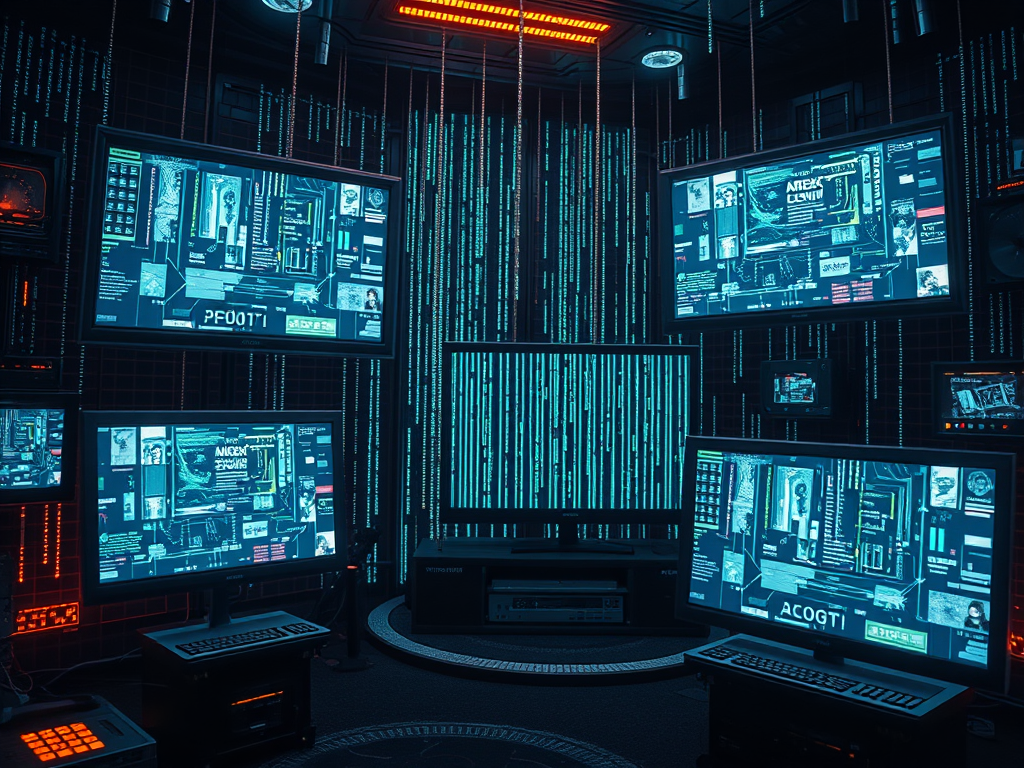
Dick’s narrative also anticipates themes in The Matrix, where artificial realities shape consciousness and limit freedom. Both works explore how power manipulates perceived realities to regulate human experience. The belief systems within The Penultimate Truth act as epistemic boundaries, defining what knowledge is accessible and which questions remain unasked. The novel illustrates how realities emerge through consensus, yet that consensus often serves the interests of those who hold power.
The Silo
Philip K. Dick’s The Penultimate Truth shares striking similarities with the Silo series in how both depict societies trapped within carefully controlled realities. Both stories explore worlds where populations live cut off from the outside world by rigid rules and false catastrophic histories. Each narrative highlights how power structures use controlled information and shared belief to shape perception and limit freedom.
What makes the penultimate truth relevant today?
Philip K. Dick’s The Penultimate Truth serves as a cautionary tale about our tendency to accept information from those in power. The story focuses on people living underground, convinced a war rages above, while leaders control reality to maintain their interests. The novel shows how societies construct versions of truth to shape behavior and preserve control. It asks readers to consider how much of what they believe depends on narratives created by others.
The message applies directly to our world, where information often comes filtered through powerful voices. This work challenges us to question accepted realities and examine who benefits from our beliefs.



Leave a Reply